Asian Cuisine
Sections
Tags
Cuisine
- Asian Cuisine – active filter (54)
Season
Ingredients
Taste
Preparation time
Found 54 recipes
-

-

Homemade Bún bò Nam Bô
Preparation time: 30 min. -

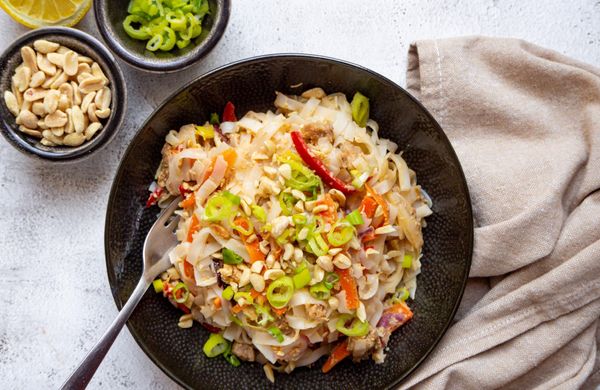
Chicken Pad Thai
-

Turkey Rice Paper Dumplings
Preparation time: 40 min. -

Shredded chicken with Pad Thai sauce and rice
-

Chicken curry patties with coconut milk
-

Rice noodles with wild salmon and vegetables
Preparation time: 20 min. -

Wild salmon crunchy rice salad
Preparation time: 25 min. -

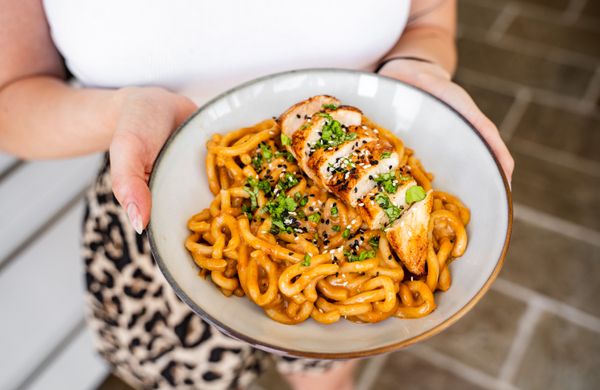
Creamy Korean fried rice with chicken
Preparation time: 40 min. -

Chicken Panang Curry with rice
-

Roasted salmon with vegetables
Preparation time: 30 min. -

Lemon chicken with rice and carrot salad
Preparation time: 20 min. -

Prawn Rice Noodle Stir Fry
-

Chicken Meatballs with Sauce & Rice
-

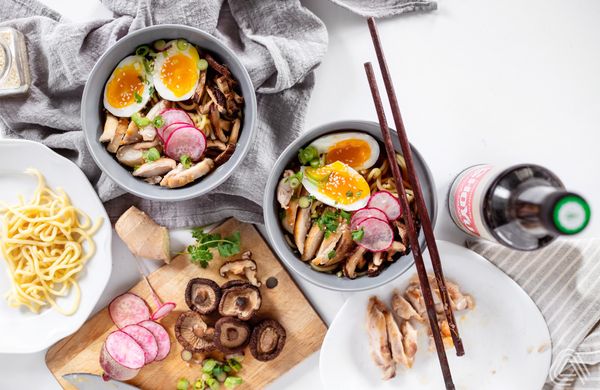
Japanese Ramen Noodle Soup
-

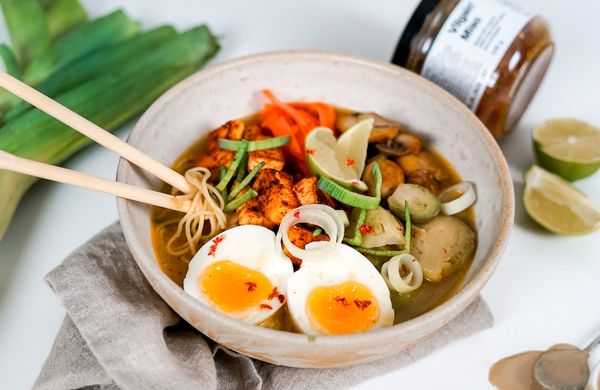
Miso Ramen Soup with Tofu
Preparation time: 45 min. -

Shakshuka Baked Eggs
-

Easy Chicken Egg Fried Rice
-

Satay Chicken Rice Bowl
Preparation time: 20 min. -

Sushi Burrito
Preparation time: 25 min. -

Baked Salmon Sushi
Preparation time: 50 min. -

Homemade Naan Bread
-

Egg Carton Sushi Bites
Preparation time: 30 min. -

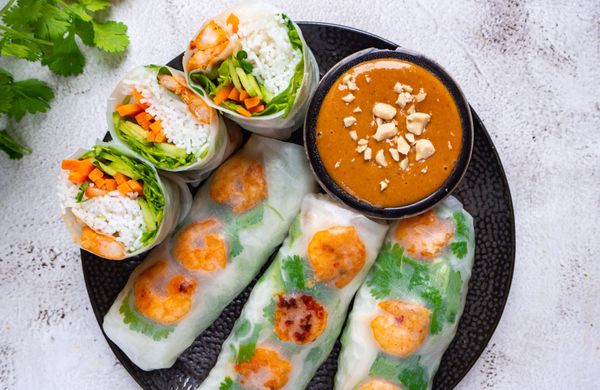
Fresh Prawn Summer Rolls





Characteristics of Asian Cuisine
Asian cuisine is a broad term that describes dozens of national cuisines shaped by several billion people. Nevertheless, common elements can be found across regions and countries – simplicity of preparation, an emphasis on quality and locally available ingredients, and usually also lightness of the food. Food is most often prepared by steaming or frying. In terms of ingredients, the basic element of all cuisines is rice.
Rice can be used to prepare sweet and savory dishes. It can be the base of a meal or just a side dish. It can be ground into flour and used to make rice noodles, paper, as well as other foods. Most of the Asian climate is also favorable for its cultivation, making it an easily accessible food.
An important element of Asian cuisine is also aromatic spices. Probably the most famous is curry, which is most often based on turmeric, cumin, and coriander, though curry blends differ across regions. A more precise term is the Indian word masala, which can be translated as “spice mix.” For India and the surrounding area, curries with a yogurt base are typical. In Thai cuisine, however, yogurt is replaced with coconut milk.
Geographically, three main regions of Asian cuisine can be distinguished: Southeast, Northeast, and Southwest Asia.
Southeast Asian Cuisine
Typical representatives of this area are Thailand, Vietnam, and Indonesia. There is an emphasis on freshness and aroma, which is especially aided by mint and coriander. Many recipes also feature coconut milk or citrus fruits. If you want to travel the whole region from the comfort of your home, try spring rolls as a starter, followed by pad thai, nasi goreng, or satay. For dessert, we recommend mango sticky rice.
Northeast Asian Cuisine
The classic representatives of this area are China, Japan, and Korea. The staple foods here are noodles, rice, or soy. In coastal areas, seafood dominates. Probably the most famous dishes are kung pao and sushi. You can also experience the flavors of this region with orange chicken or the soup ramen.
Southwest Asian Cuisine
The southwest region has been, and most likely always will be, influenced by Arab culture, which is why it differs significantly from the rest of Asia – both in taste and in the composition of dishes. As in Arab cuisine, you will find an oven called a tandoori, in which dishes are prepared at high temperatures. A typical representative is Indian cuisine, which is famous for its strongly spiced and spicy dishes. Try the classic butter chicken, or vegan curry or palak paneer.