– highly absorbable magnesium – daily support for sleep, muscle recovery and cramp prevention
200 capsules
623
Rating 4.9/5, 623 reviews
£21.99
(£0.11 / 1 capsule)
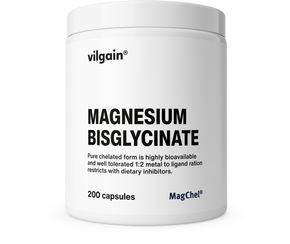
Magnesium Bisglycinate
– highly absorbable magnesium – daily support for sleep, muscle recovery and cramp prevention
90 capsules
623
Rating 4.9/5, 623 reviews
£11.99
(£0.13 / 1 capsule)
Vitamin D3+K2
– vitamin D contributes to the maintenance of normal muscle function, vitamin K contributes to the maintenance of normal bone condition, with MCT oil, food supplement
30 ml
129
Rating 4.8/5, 129 reviews
£15.99
(£53.30 / 100 ml)
-25 %
Weekly Offers
Iron bisglycinate + Vitamin C
– chelated iron bisglycinate with vitamin C for higher absorption – supports the immune system and reduces fatigue
90 capsules
56
Rating 4.8/5, 56 reviews
£5.24
Previous Price: £6.99
(£0.06 / 1 capsule)
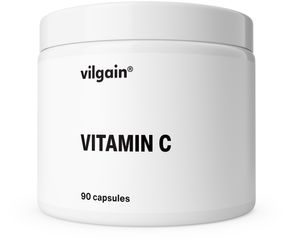
Vitamin C
– 500mg of ascorbic acid per capsule – contributes to normal immune system function and helps reduce tiredness and fatigue
90 capsules
33
Rating 4.8/5, 33 reviews
£7.99
(£0.09 / 1 capsule)
Zinc
– chelated zinc bisglycinate, providing 100% RI per capsule, supports immune system
90 capsules
287
Rating 4.8/5, 287 reviews
£6.49
(£0.07 / 1 capsule)
-25 %
Weekly Offers
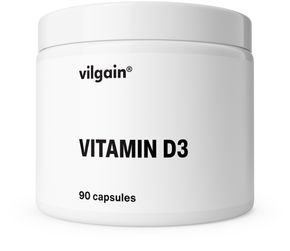
Vitamin D3
– vegan liquid drops with highly absorbable cholecalciferol – supports immunity and bone health
90 capsules
34
Rating 5.0/5, 34 reviews
£6.74
Previous Price: £8.99
(£0.07 / 1 capsule)
Hair, Nails & Skin
– beauty vitamin complex enhanced with minerals and proven ProBeautyShield® probiotics
90 capsules
50
Rating 4.3/5, 50 reviews
£16.99
(£0.19 / 1 capsule)
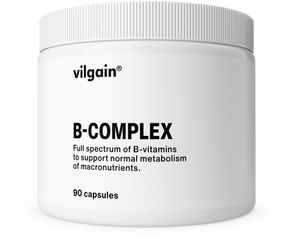
B-Complex
– full spectrum of B vitamins, in optimal amounts, without fillers
90 capsules
36
Rating 4.8/5, 36 reviews
£9.99
(£0.11 / 1 capsule)
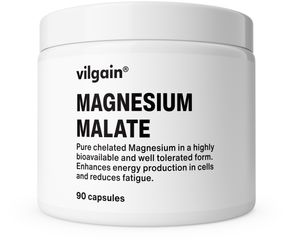
Magnesium Malate
– 110 mg of magnesium per capsule, in the form of magnesium malate, food supplement
90 capsules
74
Rating 4.8/5, 74 reviews
£9.99
(£0.11 / 1 capsule)
Magnesium Malate
– 110 mg of magnesium per capsule, in the form of magnesium malate, food supplement
200 capsules
74
Rating 4.8/5, 74 reviews
£18.99
(£0.09 / 1 capsule)
Grass-Fed
Grass‑fed Collagen Drink + Vitamin C
– grass‑fed collagen peptides powder – supports skin and nail health, and joint function
Mango 200 g
145
Rating 4.8/5, 145 reviews
£13.99
(£7 / 100 g)
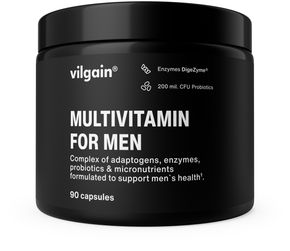
Multivitamin For Men
– complex multivitamin with minerals, antioxidants, adaptogens and probiotics, specially designed for the needs of the male body
90 capsules
15
Rating 5.0/5, 15 reviews
£19.99
(£0.22 / 1 capsule)
-12 %
Multivitamin For Men
– complex multivitamin with minerals, antioxidants, adaptogens and probiotics, specially designed for the needs of the male body
3× 90 capsules
15
Rating 5.0/5, 15 reviews
£52.77
Previous Price: £59.97
(£0.20 / 1 capsule)
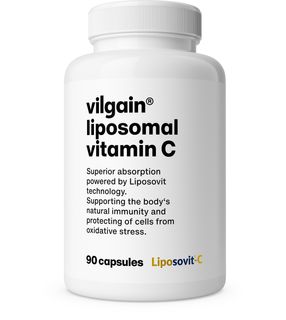
Liposomal Vitamin C
– highly absorbable form, contributes to normal collagen formation and normal function of the immune system, food supplement
90 capsules
15
Rating 5.0/5, 15 reviews
£15.99
(£0.18 / 1 capsule)
Vitamin C Gummies
– 91,5% fruit content, suitable for children, with vitamin C, food supplement
Lemon 60 pcs
8
Rating 4.9/5, 8 reviews
£10.69
Vitamin D3
– vegan liquid drops with highly absorbable cholecalciferol – supports immunity and bone health
3× 90 capsules
34
Rating 5.0/5, 34 reviews
£20.22
(£0.07 / 1 capsule)
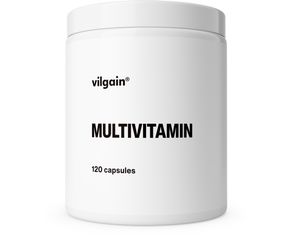
Multivitamin
– daily multivitamin and mineral supplement – 13 vitamins and 7 minerals, high absorption, supports overall health
120 capsules
66
Rating 4.2/5, 66 reviews
£11.99
(£0.10 / 1 capsule)
Magnesium and Zinc
– chelated minerals, enriched with vitamin B6 and copper
90 capsules
22
Rating 4.8/5, 22 reviews
£12.99
(£0.14 / 1 capsule)
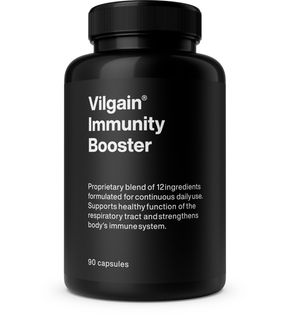
Immunity Booster
– 12 natural substances with vitamins C and D, which contribute to the normal function of the immune system, food supplement
90 capsules
29
Rating 4.7/5, 29 reviews
£15.99
(£0.18 / 1 capsule)
-24 %
Weekly Offers
PMS Balance
– vitamin and herbal supplement designed to ease PMS – supports hormonal balance and mental performance
90 capsules
79
Rating 4.2/5, 79 reviews
£7.87
Previous Price: £10.49
(£0.09 / 1 capsule)
Magnesium Drink
– fruit drink with highly absorbable magnesium glycinate, prevents muscle cramps and fatigue
Mango and orange 325 g
371
Rating 4.6/5, 371 reviews
£16.94
(£5.21 / 100 g)
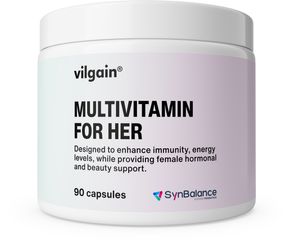
Multivitamin for Women
– multivitamin complex with probiotics, antioxidants, and adaptogens – boosts immunity, skin health, and hormonal balance
90 capsules
35
Rating 4.8/5, 35 reviews
£21.99
(£0.24 / 1 capsule)
Coenzyme Q10
– ubiquinol with the most absorbable form on the market, supplemented with vitamin E
60 capsules
8
Rating 4.5/5, 8 reviews
£12.29
(£0.20 / 1 capsule)
Zinc
– chelated zinc bisglycinate, providing 100% RI per capsule, supports immune system
200 capsules
287
Rating 4.8/5, 287 reviews
£9.99
(£0.05 / 1 capsule)
Grass-Fed
Grass‑fed Collagen Drink + Vitamin C
– grass‑fed collagen peptides powder – supports skin and nail health, and joint function
Peach 200 g
166
Rating 4.8/5, 166 reviews
£13.99
(£7 / 100 g)
Grass-Fed
Grass‑fed Collagen Drink + Vitamin C
– grass‑fed collagen peptides powder – supports skin and nail health, and joint function
Orange 200 g
118
Rating 4.9/5, 118 reviews
£13.99
(£7 / 100 g)
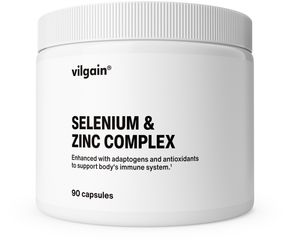
Selenium and Zinc Complex
– selenium & zinc contribute to the normal function of the immune system, highly absorbable forms, food supplement
90 capsules
3
Rating 4.4/5, 3 reviews
£11.99
(£0.13 / 1 capsule)
Liposomal Vitamin D3
– vitamin D3 in liposomal form for protection of the active ingredient during passage through the digestive tract, in vegan capsules
90 capsules
5
Rating 4.0/5, 5 reviews
£12.99
(£0.14 / 1 capsule)
-25 %
Weekly Offers
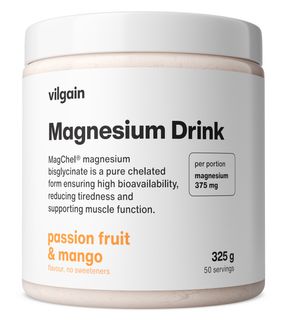
Magnesium Drink
– fruit drink with highly absorbable magnesium glycinate, prevents muscle cramps and fatigue
Mango and passion fruit no sweeteners 325 g
5
Rating 4.8/5, 5 reviews
£12.74
Previous Price: £16.99
(£3.92 / 100 g)
Multivitamin Gummies
– jelly candies with no added sugar, suitable for children from 3 years, food supplement
Apple 60 pcs
7
Rating 4.6/5, 7 reviews
£6.99
Calcium + Vitamin D3
– for the maintenance of normal bones and teeth, a highly absorbable form of calcium, in plant-based capsules
120 capsules
7
Rating 4.9/5, 7 reviews
£5.59
(£0.05 / 1 capsule)
-25 %
Weekly Offers
Magnesium Drink
– fruit drink with highly absorbable magnesium glycinate, prevents muscle cramps and fatigue
Lemon 325 g
111
Rating 4.6/5, 111 reviews
£12.74
Previous Price: £16.99
(£3.92 / 100 g)
-25 %
Weekly Offers
Magnesium Drink
– fruit drink with highly absorbable magnesium glycinate, prevents muscle cramps and fatigue
Green apple 325 g
208
Rating 4.4/5, 208 reviews
£12.74
Previous Price: £16.99
(£3.92 / 100 g)
Great value
Weekly Offers
Stress Relief
– St. John's wort supporting emotional balance, lemon balm supporting relaxation, with probiotics and vitamins, food supplement
90 capsules
8
Rating 3.9/5, 8 reviews
£16.71
(£0.19 / 1 capsule)
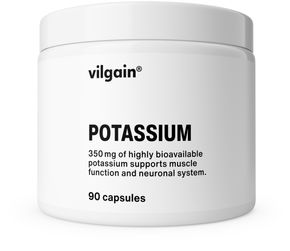
Potassium
– highly absorbable citrate form of potassium, contributes to normal muscle and nervous system function
90 capsules
4
Rating 5.0/5, 4 reviews
£8.29
(£0.09 / 1 capsule)
-20 %
Weekly Offers
Calm Down
– herbal drops with lemon balm and lavender for mental well-being and support of normal sleep - supplemented with L-theanine
Lemon balm 30 ml
18
Rating 4.0/5, 18 reviews
£11.19
Previous Price: £13.99
(£37.30 / 100 ml)
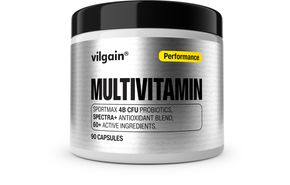
Performance Multivitamin
– multivitamin for sportspeople, featuring a patented blend of 29 fruits and vegetables, a probiotic complex, and high bioavailability
90 capsules
13
Rating 4.9/5, 13 reviews
£21.99
(£0.24 / 1 capsule)
-10 %
Beta-Carotene
– 100% natural vitamin A precursor, from potent carrot extract, vitamin A contributes to normal vision
3× 90 capsules
4
Rating 4.8/5, 4 reviews
£32.37
Previous Price: £35.97
(£0.12 / 1 capsule)
-25 %
Weekly Offers
Magnesium Drink
– fruit drink with highly absorbable magnesium glycinate, prevents muscle cramps and fatigue
Forest fruit 325 g
72
Rating 4.7/5, 72 reviews
£12.74
Previous Price: £16.99
(£3.92 / 100 g)
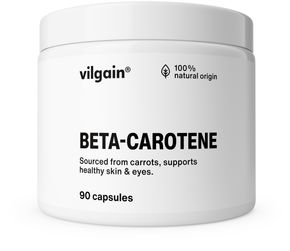
Beta-Carotene
– 100% natural vitamin A precursor, from potent carrot extract, vitamin A contributes to normal vision
90 capsules
4
Rating 4.8/5, 4 reviews
£11.99
(£0.13 / 1 capsule)
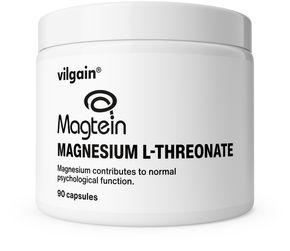
Magnesium L-Threonate
– revolutionary form with the ability to penetrate into the brain, extra high absorption, 100% pure Magtein® brand magnesium without fillers and additives
90 capsules
9
Rating 5.0/5, 9 reviews
£35.99
(£0.40 / 1 capsule)
Vitamin B9
– Folic acid in a highly absorbable form of methylfolate, with the Quatrefolic® trademark, supports blood formation, food supplement
90 capsules
1
Rating 5.0/5, 1 review
£10.49
(£0.12 / 1 capsule)
Magnesium Bisglycinate + Vitamin B6
– highly absorbable chelated magnesium, with active vitamin B6, food supplement
90 capsules
3
Rating 5.0/5, 3 reviews
£16.99
(£0.19 / 1 capsule)
New
Magnesium Bisglycinate + Vitamin B6
– highly absorbable chelated magnesium, with active vitamin B6, food supplement
200 capsules
3
Rating 5.0/5, 3 reviews
£25.99
(£0.13 / 1 capsule)
Temporarily sold out
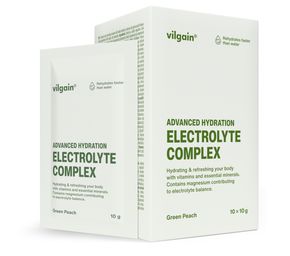
Electrolyte Complex
– natural electrolyte drink in sachets – supports hydration and electrolyte balance, sugar-free
Green peach 100 g (10 x 10 g)
29
Rating 4.6/5, 29 reviews
Long‑term unavailable
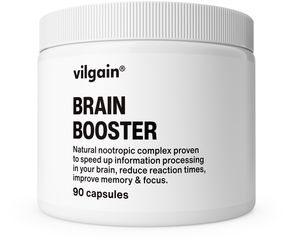
Brain Booster
– ginkgo biloba supports cognitive function, panax ginseng supports alertness and memory, gotu supports mental health
90 capsules
15
Rating 4.4/5, 15 reviews
Temporarily sold out
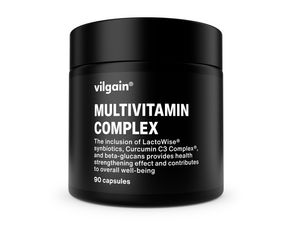
Multivitamin Complex
– 25 active ingredients, 100% of the daily dose of vitamins, with vitamin C contributing to normal immune function and nervous system activity.
90 capsules
22
Rating 4.8/5, 22 reviews
Temporarily sold out
Vitamin B12
– oral spray with highly absorbable methylcobalamin – supports energy, memory, cognitive function, and the nervous system; ideal for vegans and seniors
30 ml
18
Rating 4.7/5, 18 reviews
Temporarily sold out
Liver Complex
– support liver health thanks to the extract of milk thistle, artichoke, turmeric and choline, which also contributes to normal lipid metabolism
90 capsules
2
Rating 5.0/5, 2 reviews
Long‑term unavailable
Myo‑inositol + methyl folate
– myo‑inositol and bioactive form of vitamin B9 (Quatrefolic®), food supplement
120 capsules
4
Rating 5.0/5, 4 reviews
Natural Vitamin & Mineral Supplements
Vitamins and minerals are essential micronutrients necessary for the proper functioning of the human body, and their intake depends on the daily diet. Due to monotonous eating diets and increasingly common dietary restrictions, vitamin supplements have become a convenient way to compensate for the insufficient intake of individual micronutrients. The most commonly used include:
Vitamin A: Recommended for those with a low intake of animal products, or anyone needing additional support for vision or skin health.
B vitamins: Suitable for vegans and individuals who consume little or no animal products, and for those experiencing mental stress or seeking to support blood health or fertility.
Vitamin C: Beneficial during periods when the immune system is under increased demand, particularly in autumn and winter.
Vitamin D: Recommended when sunlight exposure is limited, such as during the winter months or when living in northern regions, and as general support for hormonal health.
Vitamin E: Suitable for people exposed to oxidative stress, such as smoking, air pollution or intense physical activity.
Vitamin K: Recommended for those with a low intake of leafy vegetables or an increased risk of osteoporosis.
Magnesium: Beneficial for athletes, people under increased stress or those experiencing muscle cramps.
Zinc: Supports immunity, skin health and male fertility.
Iron: Recommended for women of reproductive age, pregnant or breastfeeding women, and blood donors.
Calcium: Important for children and adolescents, postmenopausal women, older adults and people with lactose intolerance.
Selenium: Suitable for those living in areas with low selenium levels in the soil or with weakened thyroid function.
These and other essential nutrients can be taken collectively through multivitamins, which provide balanced amounts of each micronutrient and help support overall health.
What is the best time to take vitamins?
Vitamin supplements can be taken at any time of day, but are often recommended to be taken in the morning. They are better absorbed when taken with food — for example, fat‑soluble vitamins (A, D, E and K) should be consumed with meals containing fat.
It is always advisable to consult a doctor before taking vitamins and minerals, especially due to possible contraindications with medications or interactions between individual supplements.
Which vitamins and minerals should you choose?
The quality of vitamin and mineral supplements is crucial for their absorption and effectiveness. Supplements should have a pure composition, free from fillers and unnecessary additives. High‑quality supplements are often made from natural ingredients and use natural or organic forms, such as cholecalciferol or magnesium bisglycinate.
Liposomal vitamins and minerals are among the highest‑quality supplements, offering increased bioavailability, though their higher price should be considered when purchasing.
Articles
Magnesium Deficiency: Cramps, Fatigue and Other Signs Not to Overlook
An optimal level of magnesium in the body can help combat cramps, fatigue and muscle damage resulting from training, competitions or matches. This article will advise you on how to achieve the optimal magnesium level.
How to Increase Iron Levels Naturally?
We don't have much iron in our body, but it is still essential for the functioning of the organism. What functions does iron perform in the body and what foods are the best to supplement it with?
Benefits of Chlorella and Spirulina
Few dietary supplements have gained such popularity among people as the popular green foods led by chlorella and spirulina. What effect do these green foods have on our bodies, and how can they improve our quality of life?
Chelated Supplements for Maximum Mineral Absorption
The chelated form of minerals is not a well‑known quantity in our country. The reason is simple: it is easier for the dietary supplement manufacturer to prepare a dietary supplement for customers when the mineral is bound in an organic or inorganic form.
Feel free to take a cookie 🍪 - it helps make your shopping experience more convenient by keeping your cart full, remembering your login and ensuring your entire trip goes smoothly.