





Theine vs. Caffeine: What's the Difference?
Theine and caffeine are chemically the same substance. Find out why tea has a different effect than coffee and how the dose, L‑theanine and preparation influence energy.
Amino acids are organic acids that serve as the fundamental building blocks of proteins. While there are around 500 different amino acids found in nature, only 21 are essential for proper body function, and of these, 9 cannot be synthesized by the body. These are called essential amino acids and must be obtained through diet. Two amino acids, arginine and histidine, are classified as semi‑essential amino acids because they can become essential under certain conditions (e.g., growth, illness).
The best sources of protein are foods that contain a complete spectrum of essential and non‑essential amino acids, such as meat, seafood, eggs, and dairy products. The usability of plant proteins, and some lower‑quality animal sources, is often limited by the presence of a "limiting amino acid" – the amino acid present in the smallest amount, which restricts the utilization of other amino acids. However, a diverse plant‑based diet can still provide all essential amino acids, though they need to be consumed in larger quantities.
Amino acids play a crucial role in nearly all bodily processes, such as:
Adequate intake of all amino acids is essential for overall health. While non‑essential amino acids are not vital for survival (as the body can synthesize them), they still play a structural role, and consuming enough through diet is beneficial for optimal bodily function and muscle growth. A deficiency of essential amino acids, on the other hand, can lead to serious health issues such as weakened immunity, muscle loss, impaired recovery, or decreased appetite.
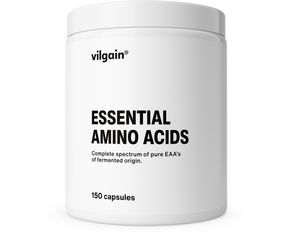
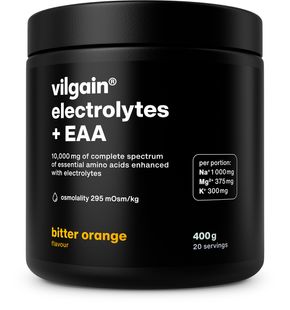
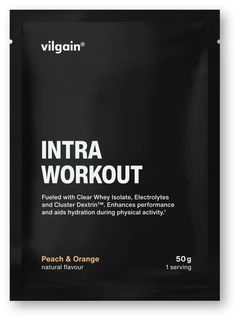
Amino acid supplements should never replace a varied and balanced diet. However, athletes aiming to push their bodies to the next level may require higher intake of specific amino acids. In Aktin’s selection, you can find: