A well‑equipped kitchen doesn't have to mean an overstuffed pantry and fridge. All you need is a few base ingredients, sources of protein, vegetables, and a couple of bold condiments at hand. With these, you can prepare dozens of different meals in 10–15 minutes, even without complicated planning.
The main rule is simple: base or side + source of protein + vegetable + seasoning = quick complete meal.
Why “I have nothing to cook with” is usually not a cooking problem
Meal planning often starts with a recipe. For example, you decide to make curry, open the recipe and realise you’re missing coconut milk, coriander or ginger. And the plan falls apart before you even start cooking.
Try thinking the other way around. Instead of stocking ingredients for specific recipes, keep basic building blocks you can use to assemble different meals.
A well‑stocked kitchen has three layers:
non‑perishable foods in the pantry
a few versatile ingredients in the fridge and freezer
condiments that can change the flavour of the entire meal
This will change the question of “What will I cook today?” to the simpler “What combination will I make today?”
Once this system works, the question “what will I cook today?” often becomes much simpler: “What combination will I make today?”
What should you always have in your pantry?You don’t need to have twenty types of pasta or ten different oils at home. The point is to have a smaller selection of versatile ingredients that can be combined in dozens of ways.
| Category | What to keep at home? | How can it be used? |
| Bases | rice, pasta, couscous, noodles | quick meal base |
| Legumes | lentils, chickpeas, beans | protein, fibre, volume |
| Tinned foods | tomatoes, tuna, salmon, legumes | a meal in a few minutes |
| Fats | olive oil, butter/ghee | cooking and flavouring |
| Condiments | soy sauce, mustard, tahini, vinegar, honey | sauces and dressings |
| Spices | salt, pepper, chilli, paprika, curry powder, herbs | quick seasoning |
| Nuts and seeds | sesame, peanuts, almonds, pumpkin seeds | texture and flavour |
Bases: the foundation of a quick meal
The base is usually the simplest part of the whole meal. If you want to cook in 15–30 minutes, it pays to choose foods that require little preparation.
Good options include:
Couscous usually just needs to be covered with hot water and left to stand for a few minutes. Noodles can be ready even faster, while most pasta cooks in about 8–12 minutes.
With rice, you can save time by cooking a larger batch and keeping some for the next day. Cold rice is also ideal for making a quick fried rice with egg. Always store cooked rice in the fridge, as leaving it at room temperature increases the risk of foodborne illness.
Legumes: a simple way to increase protein and fibre intake
Dried legumes are cheap and keep for a long time. The downside can be their longer cooking time. An exception is red lentils, which cook fairly quickly and are great for soups, curries and tomato sauces.
You can also save time by using tinned legumes, which are just as good as dried, though a bit more expensive.
How to prepare legumes?
If you soak them for 2–3 hours before cooking (they can be soaked overnight), they can be ready in as little as 15–30 minutes. Just rinse them beforehand and cook in salted water until soft.
The easiest legumes to prepare:
green lentils
peas
chickpeas
beans

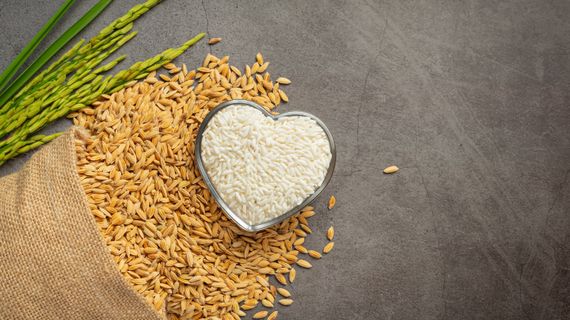
Image by magnific.com

Tinned foods that can save dinner
Tinned foods have one big advantage: they keep for a long time, don’t need to be refrigerated and are always there for those evenings when you don’t feel like going shopping.
Useful staples to keep at home include:
If you had to narrow down the list to the real essentials, tinned tomatoes, legumes and tinned fish would be a good place to start.
With tomatoes and chickpeas, you can make a simple sauce in a few minutes. Tuna is great for pasta, salad or rice, while beans can be added to soups, tomato sauces or Mexican‑style dishes.
Fats: a few quality types are enough
For everyday cooking, a few basic options are enough. First off, you need a good‑quality olive oil, which you can use both cold and for cooking. There's no need to avoid cooking with olive oil.
What’s useful to have at home?
As well as fat for cooking, it’s also useful to have a good oil for finishing dishes. A drizzle of olive oil added over cooked vegetables, pasta or legumes can noticeably enhance the flavour.

Condiments can make tasty meals even from “boring” ingredients
If you have rice, eggs and vegetables at home, you already have the foundations of a meal. Whether it tastes European, Asian or Middle Eastern can come down to just a few spoonfuls of sauce.
Almost everything goes well with:
Combining just a few of these ingredients can create a simple sauce in a minute.
For example:
Soy sauce + honey + lemon or lime creates a quick sweet‑and‑salty dressing.
Tahini + lemon + water + salt works as a simple creamy dressing.
Mustard + vinegar + olive oil makes a classic vinaigrette.
Once you memorise a few combinations like these, you often won’t need a recipe at all.
Spices: less can be more
You don’t need a whole drawer full of spices that you use once every two years.
For everyday cooking, these are enough:
chilli flakes
sweet or smoked paprika
curry powder
cumin
oregano or other dried herbs
With just these basics, you can create a surprisingly wide range of flavours.

Nuts, seeds, and nut butters
Nuts and seeds have one often‑overlooked advantage in quick cooking: they add texture.
Pasta, sauce and vegetables may already taste good, but adding a little toasted sesame, peanuts or pumpkin seeds on top can make the finished dish much more appealing.
Consider having these in stock:
sesame
pumpkin or sunflower seeds
Peanut butter can also easily turn soy sauce, chilli and a splash of water into a quick sauce for noodles.
What should you always have in the fridge?
Your fridge doesn’t need to be overstuffed. In fact, the more perishable ingredients you buy “just in case”, the more likely you are to end up throwing some of them away.
It’s better to keep a few versatile basics.
Eggs
Eggs are one of the best foods for quick meals. Their advantage is also a longer shelf life compared to other foods in the fridge.
In a few minutes you can make:
an omelette
scrambled eggs
fried eggs
noodles with egg
They also combine easily with vegetables, cheese, rice or bread.
If you have eggs, rice and frozen vegetables at home, you almost always have the foundation of a quick dinner.
Onion, garlic and root vegetables
Onions and garlic, perhaps combined with root vegetables such as carrots or celery, form the base of a huge number of dishes.
Just a few minutes in a pan and you have the base for:
tomato sauce
curry
a legume‑based dish
soup
rice
pasta
Lemons and limes
Lemon is essential in the kitchen.
Acidity is often what a dish is missing, even when it has been properly seasoned with salt.
You can add lemon to:
salads
fish
legumes
roasted vegetables
tahini
sauces
pasta
Sometimes just a few drops are enough.
Fermented foods
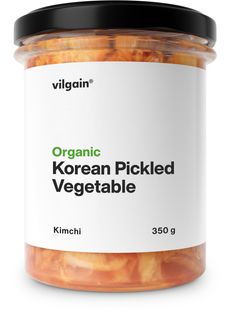
Sauerkraut and kimchi are particularly useful because they keep for a relatively long time and can be eaten straight from the fridge.
There's no need to chop or cook anything.
Just add a few spoonfuls to rice, eggs or a sandwich, for example, and within seconds you have a punchy vegetable side.
Hard cheese
Parmesan, pecorino and similar hard cheeses have two major advantages when it comes to quick cooking: they keep relatively well, and a little goes a long way.
Grated cheese can elevate the flavour of:
pasta
eggs
vegetables
soup
risotto
salad
Fresh herbs
You don’t need parsley, coriander, basil, chives and dill in the fridge at the same time.
One or two herbs are enough, depending on what you’re cooking.
Fresh herbs serve a similar purpose to lemon, adding freshness and extra flavour to the finished dish.
Don’t forget the freezer
If you want to cook quickly, your freezer can be just as useful as your fridge.
Cooking is faster when you keep things such as the following in the freezer:
frozen peas
broccoli
spinach
mixed vegetables
edamame
herbs
bread
individual portions of meat or fish
Frozen vegetables have one huge advantage: they’re already prepared, there’s no chopping involved and you can take out exactly as much as you need.
From a nutritional perspective, they can be a perfectly normal part of a healthy diet.
Freeze meat in individual portions straight away
The same system works well for meat. Instead of freezing a kilogram of chicken breasts in one large pack, divide them into individual meal‑sized portions beforehand. Ideally, spread the meat out inside the bag so that it forms as thin a layer as possible. It will take up less space and, most importantly, defrost much faster.
If you know what you’ll be cooking in advance, the easiest option is to leave the meat in the fridge to defrost overnight. If you need chicken more quickly, you can submerge the sealed, leakproof bag in cold water. Smaller portions can defrost fairly quickly this way. Keep the water cold and ideally change it around every 30 minutes. Meat defrosted this way should be cooked immediately. Defrosting meat on the kitchen worktop is not recommended.
5 “flavour saviours” you should always have at home
Sometimes you have good ingredients, a properly cooked base and enough protein, but the meal still tastes bland.
Rather than adding more ingredients at random, try working through a few things one by one.
Salt:Start with the simplest question: is the meal under‑salted? The right amount of salt enhances the flavours of the other ingredients.
Acidity: If the meal is heavy or bland, lemon, lime, wine vinegar or rice vinegar often help.
Fat: A bit of olive oil, tahini, butter, or nut butter can round out and bring everything together.
Spiciness: Chilli flakes or chilli sauce can liven up even a very simple meal.
Texture: Finally, add something crunchy, like seeds, nuts, fried onions or croutons.
How to put a meal together quickly
Choose a base: For example, rice, pasta, couscous, noodles or bread.
Add a source of protein: Eggs, tuna, salmon, chickpeas, beans, lentils or tofu.
Add vegetables: Fresh, fermented or frozen, depending on what you have on hand.
Add flavour: Use oil, spices, lemon, soy sauce, tahini, mustard, chilli or cheese.
And you’re done.
How often should you restock?
Once you have a system that works for you, it becomes much easier to keep track of what you need to buy.
About once a week
Restock mainly fresh foods:
eggs
vegetables
fruit
lemons
herbs
dairy products or other chilled foods
About once a month
Check your supply of:
rice
pasta
legumes
tinned foods
nuts and seeds
Once every few months
Restock as needed:
oils
vinegars
soy sauce
tahini
mustard
spices
A simple last‑pack rule also works well.
Once you open the last pack of rice, the last tin of tomatoes or the last bottle of soy sauce, add it to your shopping list.
How to stock a basic pantry from scratch
If you’re starting almost from scratch, you don’t need to buy everything in a single supermarket trip.
For a basic starter shop, you can expect to spend around £35–£60, depending on the brands and pack sizes you choose, aswell as what you already have at home.
Why a well‑stocked kitchen can save you money
Ordering a takeaway is convenient sometimes, and there’s no reason to avoid it altogether. The problem comes when you order food simply because you can’t put a meal together at home in a few minutes.
If you keep a few basic ingredients in stock, you can often prepare a meal in about the same amount of time you would spend waiting for a delivery.
A tin of tomatoes, a pack of pasta or a bottle of soy sauce also lasts for more than one meal. The same ingredients can be used in a variety of combinations over time.
Keeping a sensible stock of versatile foods can therefore help reduce both impulse takeaway orders and food waste.
What to take away from this?
You don’t need a huge pantry or seven precisely planned recipes every week. It’s far more useful to build up a small stock of versatile foods that can be combined in different ways.
If you have one or two quick bases, a few sources of protein, vegetables and some good condiments at home, most quick meals will start to come together almost by themselves. That’s the whole system: instead of searching for a recipe first, open the cupboard and ask yourself, “What combination of base, protein, vegetables and flavour will I make today?”
FAQs
What should always be in the pantry?
The basics include rice or pasta, legumes, tinned tomatoes, tuna or another long‑life source of protein, olive oil, a few spices and a couple of condiments such as soy sauce, mustard, vinegar and tahini.
What’s good to always have in the fridge?
Useful basics include eggs, onions, garlic, lemons, some fresh vegetables, hard cheese and possibly fermented vegetables. It’s also worth keeping a few portions of vegetables in the freezer.
What can I cook in 15 minutes when I have almost nothing at home?
Simple options include pasta with tuna and tomatoes, egg fried rice, couscous with chickpeas, an omelette with vegetables or noodles with peanut and soy sauce.
How can I learn to cook without a recipe?
Start with a simple formula: base + protein + vegetables + flavour. Instead of memorising individual recipes, learn a few basic combinations and simple sauces. Gradually, you’ll find that the same ingredients can be put together in many different ways.