- Sale (29)
- In stock (51)
- Improved recipe (4)
- Organic (3)
- Grass-Fed (28)
- Vegan (4)
- Gluten-free (69)
- No artificial sweetener (69)
- Lactose-free (9)
- High in protein (69)
- High in fibre (2)
- Low in sugar (24)
- Low fat (24)
- Low carb (62)
- Powder (63)
- Liquid (4)
- Chocolate (15)
- Vanilla (10)
- Strawberry (7)
- Caramel (5)
- Unflavored (5)
- Banana (2)
- Blueberry (1)
- Caramel (5)
- Chocolate (15)
- Cinnamon (2)
- Coconut (1)
- Coffee (1)
- Grapefruit (1)
- Hazelnuts (1)
- Lemon (2)
- Mango (2)
- Matcha (1)
- Orange (1)
- Panna cotta (1)
- Peach (2)
- Pistachio (1)
- Salted caramel (4)
- Strawberry (7)
- Tea (2)
- Tropical fruit (2)
- Unflavored (5)
- Vanilla (10)
- White chocolate (2)
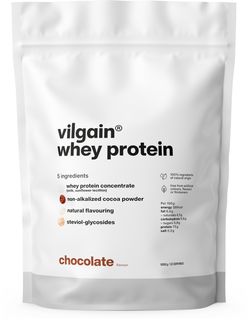
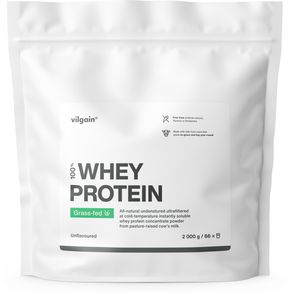
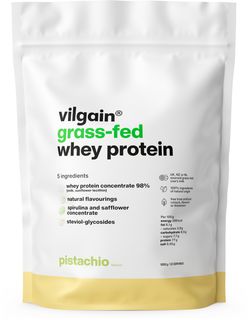
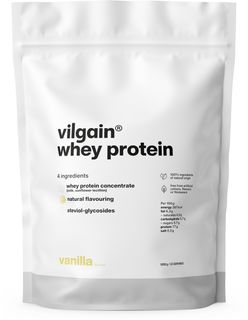
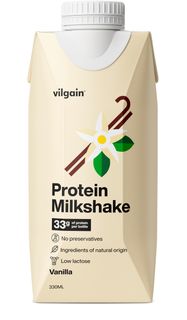
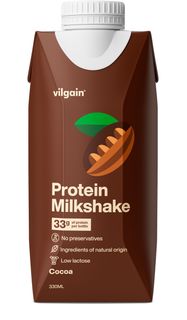
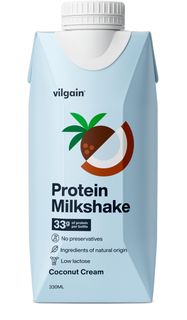
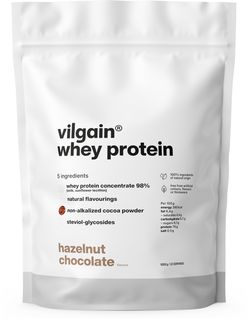
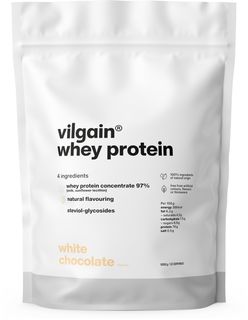
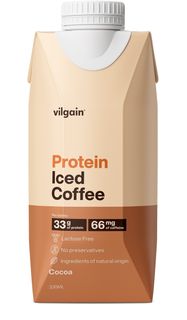
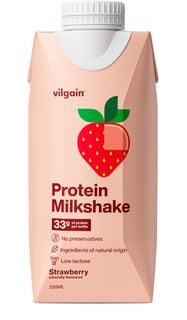
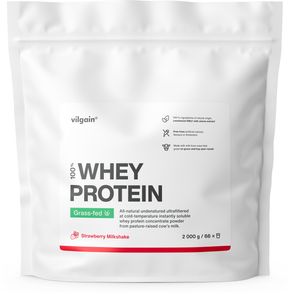









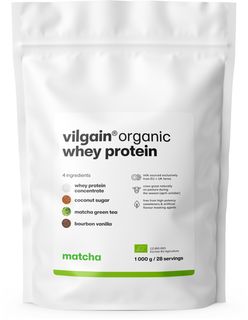

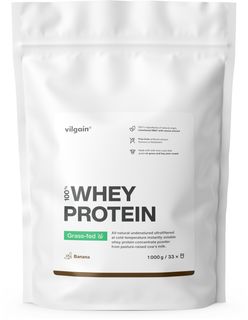
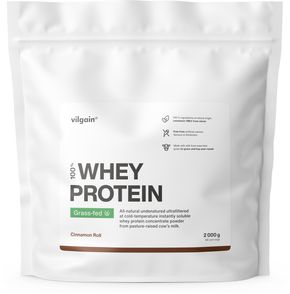
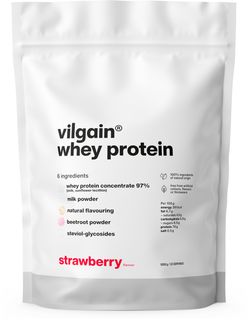
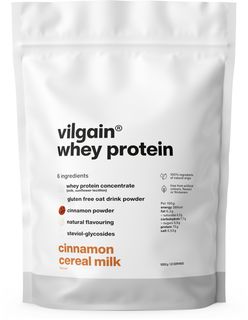
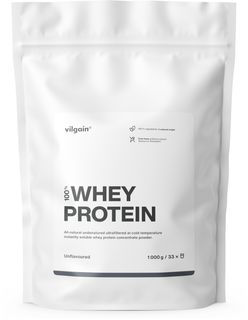
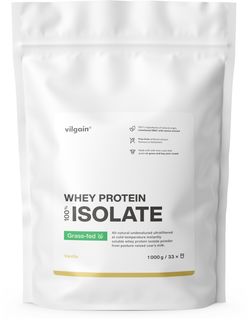

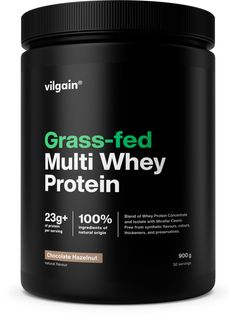
Clean & Natural Protein Supplements
Protein, also known as a building block of all cells and tissues, is made up of amino acids. It performs a range of functions in the human body, such as structural, transport, regulatory, and protective roles. Along with fats and carbohydrates, it is one of the essential macronutrients, and sufficient intake should primarily be ensured by a balanced diet.
However, in sports nutrition, protein usually refers to a supplement (typically in powder form) that contains at least 70% protein. Protein powder is a convenient way to supplement protein intake, regardless of your fitness goals.
What Is Protein Powder Good For?
Adequate protein intake is essential for the proper functioning of the entire body. Its importance becomes even more significant when trying to lose weight, gain muscle mass, or maintain high levels of physical activity. Protein intake:
- Helps maintain muscle mass;
- Supports metabolic function;
- Aids in recovery;
- Reduces hunger;,
- Supports bone health.
Picking the Right Protein Powder
Protein supplements can be selected based on several criteria. One of the most important factors determining the quality of the protein is its source. From this perspective, there are two basic sources: animal and plant‑based.
Animal Protein Sources
Animal protein is considered a higher‑quality type of protein due to its better digestibility and the presence of a complete spectrum of essential amino acids. Animal proteins can be further divided into:
- Milk protein, which represents a small portion of cow's milk, can be used to enrich products with protein or as a standalone protein supplement. It consists of casein (80%) and whey (20%).
- Whey protein contains 70‑95% protein and is one of the highest‑quality and most popular protein sources. Available in three forms—concentrate, isolate, and hydrolysate—it differs in production method, content, and properties. Whey protein is rapidly digestible, making it ideal post‑workout.
- Whey protein concentrate is a versatile protein supplement with an unbeatable price‑performance ratio. It’s the most popular protein on the market, with a better taste due to its fat and sugar content.
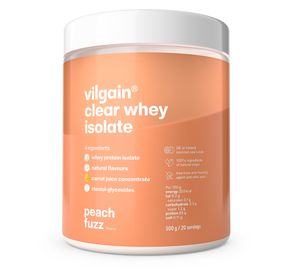
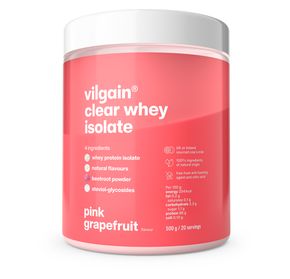
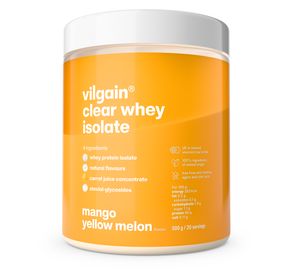
- Whey protein isolate has a high protein content and low fat and lactose levels, making it suitable for individuals with lactose intolerance.
- Whey protein hydrolysate, also known as "hydro", is enzymatically broken down for easier digestion and faster delivery to muscle tissue. Its disadvantage is its high price.
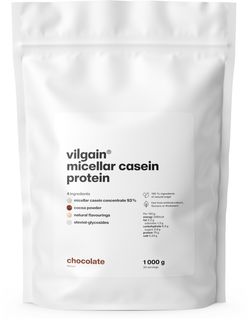
- Casein protein falls into the slow‑digesting protein category. It typically contains 70‑80% protein and maintains elevated blood amino acid levels for an extended period. Its properties make it especially popular for late‑night consumption (hence the term "night‑time protein").
- Egg protein is available in two forms: liquid or dried. Dried egg whites contain around 80% protein, whereas the liquid form only contains 10%. They offer minimal carbs and fats, but their taste can be a disadvantage.
- Beef protein contains up to 90% protein, but despite being of animal origin, its usefulness for muscle building is lower than that of whey protein, as it contains fewer essential amino acids, the main drivers of muscle protein synthesis.
- Insect protein is seen by many as the future of nutrition. With up to 90% protein, zero carbs, and a high content of healthy fats, it has plenty of merit.
Protein blends is a unique type that combines several proteins with different digestion rates, supplying muscles with protein over a longer period. A common mix includes whey (often concentrate and isolate) and casein proteins, but egg or other proteins can also be included.
Plant‑Based Protein Sources
Plant proteins are considered a lower‑quality alternative to animal proteins due to the absence of a complete spectrum of amino acids—some are less abundant, and some are entirely absent (which can be remedied with amino acid supplements). Because they lack animal components, they are often referred to as vegan proteins and are suitable for individuals with cow’s milk protein allergies or lactose intolerance. Some of the most common and best plant proteins include:
- Soy protein is the most commonly used plant‑based protein and has effects comparable to animal proteins, though a higher dosage may be necessary. Be cautious with high consumption (over 60 g per day), as it may cause digestive issues.
- Hemp protein is currently one of the most popular plant‑based proteins, along with other hemp products. However, it’s not among the highest quality for building muscle and strength.
- Pea protein is one of the highest‑quality plant proteins. It’s rich in fiber and leucine, an amino acid with significant anabolic potential.
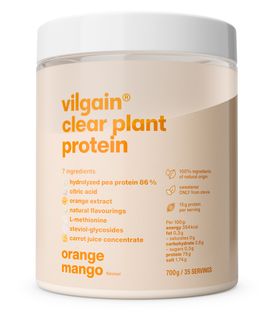
Due to the incomplete amino acid profiles of individual plant sources, plant proteins are often combined to improve their bioavailability. One of the best combinations is pea‑rice protein, which we use in our Plant‑Based Protein.
Quality Labels
Protein supplements often come with various labels indicating quality. The most common are CFM, Grass‑Fed, or native protein:
- CFM proteins are made using cross‑flow filtration technology, typical for most whey proteins today.
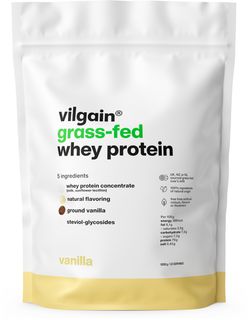
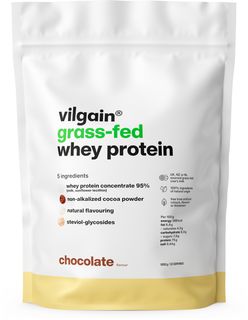
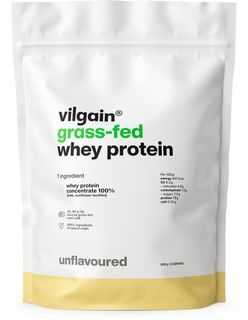
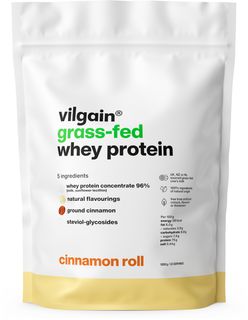
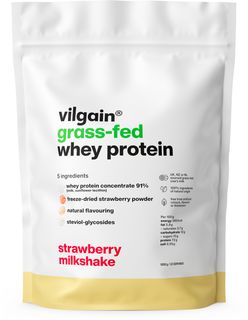
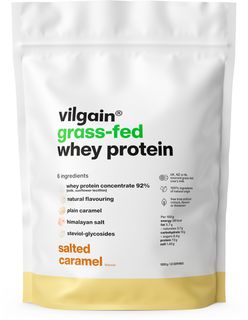
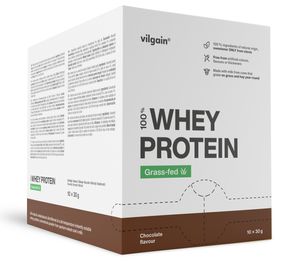
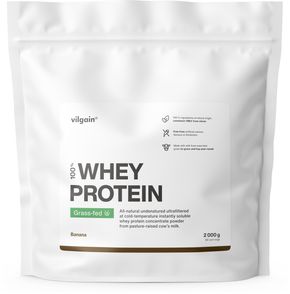
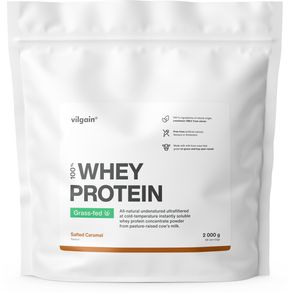
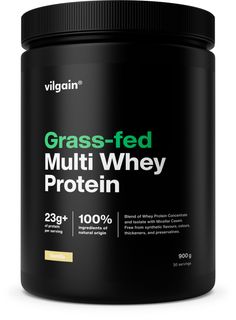
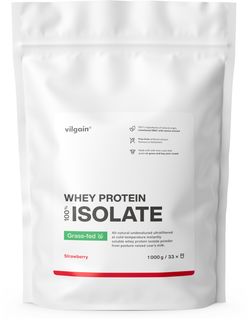
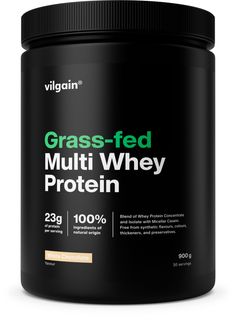
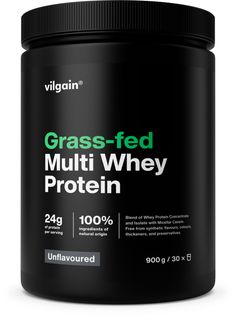
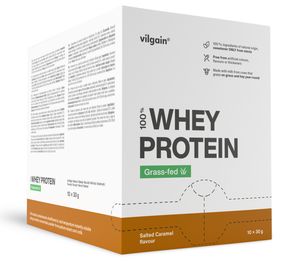
- Grass‑Fed proteins are produced from milk sourced from grass‑fed cows, offering a more favourable fatty acid profile and representing the highest‑quality proteins. You can try our Grass‑Fed Whey Protein or Grass‑Fed Whey Protein Isolate.
- Native proteins are made from fresh milk rather than “waste” whey, which is a byproduct of the dairy industry. These proteins are of high quality, but they come at a higher price.
Proteins by Flavour
Will it be the classic evergreen flavours of vanilla, chocolate, banana, and strawberry, or something more unique? In recent years, protein flavours have expanded, and now you can enjoy protein drinks that taste like your favorite pumpkin spice latte, blueberry cheesecake, or chai latte.
For versatility, unflavoured protein is ideal, as it contains no additives and is 100% pure. You can flavour it yourself using freeze‑dried powders, cocoa, or other ingredients.
Regardless of the flavour, it’s essential to check the source—are synthetic or quality natural colours and flavours used? Fortunately, the era of cheap substitutes is slowly fading, but it's always wise to check the ingredients of each protein.
When and How to Use Protein Supplement?
Protein shakes is most commonly consumed around workouts (in this case, mixing the protein with water is ideal) along with other supplements that enhance physical performance, aid recovery, and promote muscle growth. However, protein shakes can be consumed at any time of day (mixed with milk for slower absorption) to supplement overall protein intake.
Protein powder can also be used in cooking, baking, making smoothies, pancakes, or even homemade ice cream.
How Much Protein to Take Daily?
Recommended daily protein intake depends on factors such as age, gender, level of physical activity, muscle mass, fitness goals, and overall health. General recommendations include:
| Dietary minimum | 0.8‑1 g/kg body weight |
| Endurance athletes | 1.4‑2 g/kg |
| Weight loss diets | 1.4‑2 g/kg |
| Muscle gain | 1.6‑2.2 g/kg |
Increased protein intake is also necessary for pregnant women and seniors who experience muscle mass loss. In the long term, protein supplements should make up a small portion of daily protein intake. A varied diet should always be the foundation.
Which Supplement Should I Choose if I Want the Best...
Protein Powder for Weight Loss?
Adequate (increased) protein intake is essential when trying to lose weight—protein boosts metabolism, prevents muscle loss, and has the highest satiety effect of any macronutrient. Almost any protein can be considered suitable for weight loss. For low sugar and fat content, whey protein isolate is the best option. You might also want to try supplements specifically designed for weight loss, like Diet Whey Protein, which is enhanced with natural extracts that support fat loss.
Protein Powder for Muscle Gain?
Proteins are the building blocks of every muscle fiber, and when trying to build muscle, increased protein intake is crucial. For the best price‑performance ratio, whey protein is the top choice as it easily and quickly replenishes protein at any time of the day.
Protein supplements can also include a “night‑time” casein protein, which is slow‑digesting and helps prevent muscle breakdown during the night. For gaining weight and muscle, a protein‑carb mass gainer can help meet your caloric surplus.
Protein Powder for Baking?
Cakes, desserts, and other treats are a great way to incorporate extra protein into your routine. However, the challenge comes with choosing the right protein. Anyone who has tried baking with regular protein powder knows it can easily clump and result in a less‑than‑fluffy final product. That’s why we’ve developed a unique Baking Protein that won’t disappoint any cook.
Protein Snacks
Protein powders or ready‑to‑drink protein shakes aren’t the only protein sources that can help with your daily intake. If you're tired of drinking protein shakes, you can try some of these high‑quality protein snacks: