- Food supplements during menopause should be chosen according to your specific goal.
- No supplement can replace the fundamentals, such as a varied diet, sufficient protein, strength training, good‑quality sleep and promptly discussing significant concerns with a doctor.
What is menopause?
Menopause is a natural stage in a woman’s life when ovarian function gradually declines and oestrogen production decreases. Menopause is usually defined as the point at which a woman has not had a period for 12 consecutive months and this cannot be explained by another cause. It most commonly occurs between the ages of 45 and 55. The period leading up to it is called perimenopause, and this is often when the first symptoms begin to appear.
Typical symptoms of menopause
Typical symptoms include hot flushes, night sweats, poor sleep, mood changes, fatigue, muscle and joint pain, changes in body composition, vaginal dryness, more frequent urinary tract infections and gradual loss of bone mass. However, the intensity of these symptoms varies greatly. Some women experience only mild difficulties, while others experience a significant reduction in their quality of life.
Food supplements are not a cure‑all
Food supplements can help during this period, but it is important to have realistic expectations. They are not a substitute for hormone replacement therapy, medical examinations or osteoporosis treatment. They make the most sense when they target a specific problem, such as low calcium intake, vitamin D deficiency, muscle loss, poor sleep or mild hot flushes.
The problem with many ‘menopause blends’ is that they contain several substances at once, often in small doses, making their effects and safety harder to assess. NICE warns that the quality, purity, safety and actual effectiveness of some supplements and complementary products may be uncertain.
1. Calcium and vitamin D as the foundation for bones
The decline in oestrogen after menopause accelerates the loss of bone mass. Therefore, the risk of osteopenia and osteoporosis increases after menopause.
For women over 50, a total calcium intake of around 1,200 mg per day is usually recommended. The key word is "total" – calcium from both food and supplements counts. If a woman regularly eats dairy products, sardines with bones, fortified tofu, poppy seeds, certain mineral waters or fortified plant‑based drinks, she may not need additional calcium supplementation. A supplement is mainly useful when dietary intake is insufficient.
Vitamin D supports bone mineralisation
Vitamin D supports calcium absorption and bone mineralisation. For women aged 51–70, the recommended intake is 600 IU per day, increasing to 800 IU per day for those over 70. In practice, individual requirements may vary, particularly during winter, with limited sun exposure, higher body weight, osteoporosis or low blood levels of 25‑hydroxyvitamin D.
Vitamin D deficiency is common
Vitamin D deficiency is very common in postmenopausal women. According to studies, about a third to more than half of women are affected. If slightly reduced levels are included, it concerns up to nine out of ten women.
However, when it comes to both vitamin D and calcium, more is not always better. High doses of vitamin D can be toxic, and excess calcium from supplements may be problematic for some people. It is therefore advisable to assess your diet and lifestyle first and, where appropriate, check your vitamin D levels through a blood test. You should supplement only what is genuinely lacking. The combination of calcium and vitamin D may slightly reduce the risk of fractures in older adults, but vitamin D alone may not have a significant effect in people who are not deficient.

2. Protein and creatine to support muscles, strength and body composition
Menopause is not only about hot flushes. As oestrogen levels decline, body composition often changes. This may involve a loss of muscle mass, increased fat accumulation around the abdomen and a possible decline in physical performance. Strength training and sufficient protein intake are therefore particularly important.
Supplementing with protein is not essential. Protein is not a miracle supplement; it simply helps you meet your protein requirements. If you already consume enough protein through your diet, you can skip it.
For older adults, an intake of at least 1.0–1.2g of protein per kilogram of body weight per day is often recommended. Active women, particularly those who do strength training or are trying to lose weight, may benefit from a higher intake.
Creatine is not just for bodybuilders
Creatine is particularly interesting for women who do strength training. It will not reduce hot flushes, but it may support performance, strength and the maintenance of muscle mass. Its possible effects on bone and muscle parameters in postmenopausal women are also being studied, but it makes the most sense when combined with regular resistance training. Creatine alone, without exercise, is unlikely to make a significant difference.
The best choice is creatine monohydrate at a dose of around 3–5g per day. It is considered safe for healthy people. Those with a medical condition should discuss supplementation with their doctor.
-
Learn more: What Does Creatine Do for Women?

Image by magnific.com

3. Soy isoflavones and red clover may help relieve hot flashes
Soy isoflavones are phytoestrogens — plant compounds that can bind weakly to oestrogen receptors. They are therefore mainly studied in relation to hot flushes and night sweats.
Systematic reviews show that soy isoflavones may slightly reduce the frequency and intensity of hot flushes, but the effect is usually small. It is not comparable to hormone replacement therapy. In one large analysis, phytoestrogens were associated with a reduction of fewer than one hot flush per day compared with a placebo.
Red clover contains similar phytoestrogens. Some studies suggest possible benefits for vaginal dryness or more severe hot flushes, while other findings are less convincing. Women with a history of hormone‑sensitive tumours, such as breast cancer, should exercise caution and discuss their use with a doctor.
Soy foods such as tofu, tempeh, edamame and soy yoghurt can be a good source of protein and form part of a healthy diet.
4. Magnesium may help if you are deficient
Magnesium is important for the nervous system, muscle function, blood pressure, glucose metabolism and bone health. For women over 50, the recommended intake is around 320 mg per day. Good sources include nuts, seeds, pulses, wholegrains and leafy green vegetables.
During menopause, magnesium is often promoted for improving sleep, cramps, irritability or fatigue. In reality, it is most likely to help when dietary intake is low. However, it is not a cure for insomnia or hot flushes.
Those who want to try a supplement should choose better‑absorbed forms, such as magnesium citrate, glycinate or lactate.
5. Melatonin may help regulate sleep
Poor sleep during menopause can have many causes, including night sweats, stress, anxiety, alcohol, caffeine, irregular routines, restless legs syndrome and sleep apnoea.
Melatonin may be most helpful when someone has difficulty falling asleep or has a disrupted circadian rhythm. However, the findings in postmenopausal women are inconclusive. One meta‑analysis found an improvement in some physical symptoms but no clear improvement in overall sleep quality, mood or vasomotor symptoms. Another review suggests that melatonin may improve subjective sleep quality in women who already have sleep disturbances.
6. Ashwagandha as a possible aid for stress and sleep
Ashwagandha is mainly studied for stress, anxiety, fatigue and sleep. Some clinical studies suggest that it may slightly reduce stress and improve sleep quality, particularly at doses of around 500–600 mg per day when taken for at least several weeks.
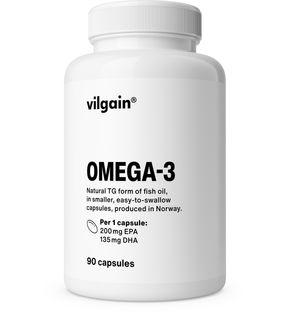
7. Omega‑3 fatty acids for overall health
Omega‑3 fatty acids from fish or supplements are mainly important for cardiometabolic health, particularly if you do not regularly eat oily fish. The importance of preventing cardiovascular disease increases after menopause.
When choosing an omega‑3 supplement, it is important to consider its quality and how it is stored at home. Ideally, keep it in a cool, dark place, such as the refrigerator. If the product oxidises, its effectiveness may decrease.
8. Vaginal dryness and urinary problems
Vaginal dryness, pain during sex, burning and more frequent urinary problems are associated with declining oestrogen levels in the mucous membranes. This is known as genitourinary syndrome of menopause. For mild symptoms, over‑the‑counter lubricants and vaginal moisturisers may help. For moderate to severe symptoms, local treatments such as vaginal oestrogen, DHEA or other medicines are usually more effective and should be discussed with a doctor.
Food supplements are not usually the first choice for these symptoms. Probiotics are an interesting area, and research into the vaginal microbiome is developing, but it is still at an early stage.
What to watch out for: St. John's wort, megadoses and all‑in‑one blends
St John’s wort is sometimes associated with improvements in mood and hot flushes. However, it can interact significantly with medications, including antidepressants, hormonal contraceptives, immunosuppressants, anticoagulants, some heart medicines, epilepsy medicines, HIV treatments, cancer treatments and tamoxifen. Women who take medicines should discuss its use with a doctor.
Caution is also advised with megadoses of vitamins, ‘detox’ blends, products with unclear ingredients and combinations of multiple herbs. The more substances a product contains, the harder it is to determine what works, what causes side effects and what may interact with medicines.
What should you choose based on your goal?
For bone health, the most important steps are to check your intake of calcium, vitamin D and protein and to include strength training in your routine. Calcium and vitamin D supplements are most useful when dietary intake is low or the risk of osteoporosis is higher.
For muscle, strength and changes in body composition, focus on protein, regular strength training and, potentially, creatine monohydrate.
For hot flushes, you could try soy isoflavones or red clover. However, the effects are usually mild. For severe symptoms, it is advisable to discuss medical options with a doctor, as hormone replacement therapy or other treatments may be more effective.
For sleep problems, it is best to identify what is disrupting your sleep first. Night sweats require a different approach from anxiety or poor sleep habits. Supplements that may help some women include melatonin, magnesium where dietary intake is low and ashwagandha, but none offer a guaranteed solution.
For vaginal dryness, it makes more sense to begin with local moisturisers and lubricants. More significant symptoms should be discussed with a GP or gynaecologist so that suitable local treatments can be considered.

Bottom line
Food supplements should be chosen according to the specific symptoms or concerns you want to address. For bone health, calcium and vitamin D may be useful when dietary intake is insufficient. For muscle and body composition, protein and creatine may be helpful, particularly when combined with strength training. For mild hot flushes, soy isoflavones and red clover may offer some benefit, but their effects are usually modest and vary between women. Some supplements may indirectly support sleep, but the underlying cause of poor sleep still needs to be addressed.
The biggest mistake is usually not failing to take a supplement. It is relying on an expensive blend instead of addressing the fundamentals: a good‑quality diet, sufficient protein, strength training, a consistent sleep routine, osteoporosis prevention and promptly discussing significant concerns with a doctor.