
"I'd like to get some protein, but I'm afraid it will make me sick because I can't have lactose." Can you relate to this? Protein powders are the most widely used supplements in sports nutrition, and there are many products on the market from which to choose. However, not everyone has such a wide range of choices. Is lactose intolerance a barrier to taking protein? Let's explore this in the following article.
What is lactose, and where can we find it?
Lactose is a disaccharide (sugar) consisting of the monosaccharides glucose and galactose. It forms the main carbohydrate component of mammalian (and therefore human) milk, playing an important role in the nutrition of young animals and giving milk and dairy products their typically sweet taste.
What are the signs of lactose intolerance?
The presence of the enzyme lactase is essential for the breakdown of lactose in the small intestine. If there is insufficient lactase, the body is unable to break down and absorb the lactose ingested, which then passes into the large intestine where it binds water and is further broken down by intestinal bacteria, causing the unpleasant symptoms typical of lactose intolerance such as diarrhoea, bloating and abdominal pain.
It might seem that a person struggling with lactose intolerance is actually sick, but the truth is a little more complicated. Lactase enzyme levels gradually decrease with the switch to a mixed diet.
The extent to which its activity is maintained or not is genetically determined in each of us; this is known as primary lactose intolerance. We can also encounter secondary lactose intolerance, which occurs in association with intestinal diseases (such as intestinal inflammation or untreated celiac disease).
What proteins should you watch out for with lactose intolerance?
As we have already said, the main source of lactose is milk. This might make you think that whey and casein proteins are off‑limits. But there is no need to despair, there is certainly a suitable protein for you among them!
- Learn more: How is Whey Protein Powder Made?
Unfortunately, no "safe daily dose" of lactose can be determined for lactose intolerance. Its tolerability depends on the activity of the lactase enzyme, which varies from person to person. What is good for one person may not be good for another (EFSA, 2010).
How to determine the lactose content of a protein
- Lactose is hidden in the stated nutritional values of protein under the label "of which sugars".
- We can only really accurately determine the lactose content of unflavoured and unsweetened products where the only carbohydrate they may contain is lactose.
- Flavoured proteins may have their total carbohydrate content increased by ingredients that create the flavour and aroma of the protein, making it difficult to determine how much lactose the product contains.
- For flavoured products we can therefore only reliably determine the 'maximum' lactose content. To illustrate the differences between flavours, consider our Grass‑Fed Whey Protein in unflavoured and chocolate variants. When in doubt, one can ask the manufacturer or reach for a protein with a guaranteed "lactose‑free" label.
For unflavoured protein, we can more accurately determine the lactose content

A flavoured protein may contain less lactose

What about the lactose content of popular whey proteins?
1. Forget whey protein concentrates if you have lactose intolerance
WPC is the most popular source of protein in sports nutrition, with an average lactose content ranging from 4‑6g per 100g of protein.
Although one scoop of protein contains around 1.5‑2g of lactose, whey concentrates are the least suitable for lactose‑intolerant people among all whey products.
2. Whey protein isolates can also be used by people with lactose intolerance
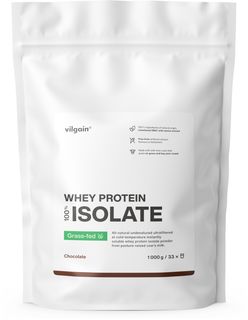
If you've accepted that whey concentrates are better left to others, there's good news: WPI can be a suitable alternative.
With an average lactose content of around 2g per 100g of product, whey isolates can be enjoyed by lactose‑intolerant individuals without worry.
3. Whey protein hydrolysates made from isolate are also a suitable choice
Whey protein hydrolysates can be made from both whey concentrate and whey isolate. They differ in the amount of lactose and protein content.
Hydrolysed proteins based on whey isolate contain less lactose and are, therefore, a better choice for people with lactose intolerance.
If you are still concerned, special low‑lactose whey preparations are also available on the market.
Special whey proteins
| Product | Lactose content | Lactose content per serving (30g) |
| Vilgain Lactose Free Whey Protein | max 0.04g/100g | 0.01g |
| BioTech USA ISO Whey ZERO | - | <0.1g/100ml of finished beverage |

What about casein proteins?
Conventional casein protein powders contain, on average, about 4.5g of lactose per 100g of the product. This amount can cause significant digestive issues for some individuals.
Therefore, caseins cannot be universally recommended for people with lactose intolerance. Some people can digest them without any problems, while others may find such proteins quite problematic. Certain individuals can be affected even by trace amounts of lactose, so it's always necessary to use common sense and pay attention to your body's reactions.
Bottom line
Finally, I would like to emphasise the considerable differences between us. If you struggle with lactose intolerance, you probably have an idea of the amount of lactose you can tolerate without issues and what would be too much.
Keep this in mind when choosing the right protein. With a bit of determination, lactose intolerance doesn't have to be a barrier to your fitness goals. You just need to choose a suitable whey protein powder or opt for a quality plant‑based protein powder.