Polyphenols are plant compounds that support the health of the gut microbiome.
The microbiome and polyphenols influence each other – polyphenols promote the growth of beneficial bacteria, while the microbiome breaks them down into active compounds that can have positive effects on our health.
Studies link a higher polyphenol intake with better microbiome composition and a lower risk of obesity.
In recent years, people have increasingly said that ‘health begins in the gut’ – and this is not far from the truth. Our digestive tract is home to a huge number of microorganisms, including bacteria, viruses and yeasts, which together form the gut microbiome. It plays a crucial role in many aspects of our health, from digestion and immunity to weight regulation and mood.
What is the gut microbiome and why is it important?
The gut microbiome refers to the collection of microorganisms that inhabit our digestive tract, mainly the large intestine. It consists of billions of bacteria, as well as viruses, yeasts and other microbes. Together, they weigh approximately 1.5kg and collectively contain more genetic information than the human body itself. It is no wonder that the microbiome is sometimes referred to as the ‘forgotten organ’.
The microbiome is not passive – it actively participates in many bodily functions:
It helps digest complex components of food, such as fibre and certain polyphenols, which our bodies would otherwise be unable to digest.
It supports the immune system by helping it distinguish between harmful and harmless microorganisms.
It helps maintain the intestinal barrier, preventing undesirable substances and pathogens from entering the bloodstream.
It produces short‑chain fatty acids (SCFAs), such as butyrate, which support gut health and have anti‑inflammatory effects.
A healthy microbiome is diverse and balanced. It contains a wide range of beneficial bacteria and relatively few bacteria that could contribute to disease. However, if this balance is disrupted – for example, by antibiotics, stress or a poor diet – dysbiosis can occur. This is associated with a range of health problems, from bloating and inflammation to obesity, depression and diabetes.
What are polyphenols and where can we find them?
Polyphenols are natural substances that plants produce as a defence against pests, UV radiation and infections. For humans, however, they are much more than a plant defence system. They are bioactive compounds with antioxidant, anti‑inflammatory and antimicrobial effects.
Scientists divide polyphenols into several main groups:
Flavonoids (e.g., quercetin, catechins, anthocyanins) – the most widespread group, found in berries, tea, onions and cocoa.
Phenolic acids (e.g., chlorogenic acid in coffee or ferulic acid in grains).
Stilbenes (e.g., resveratrol in grape skins and red wine).
Lignans – commonly found in seeds, e.g., flaxseed.
Polyphenols are abundant in many foods, although the amount they contain can vary greatly. The main sources of polyphenols in a typical diet include:
berries (blueberries, cranberries, raspberries)
tea (green and black)
cocoa and dark chocolate
red wine
extra virgin olive oil
apples, grapes, onions, artichokes
spices and herbs (e.g., turmeric, mint, oregano)
Interestingly, most polyphenols are not absorbed in the small intestine. Due to their size or complex structure, they reach the large intestine almost undigested. This is where their most important interaction takes place: the microbiome breaks them down into biologically active metabolites.

How polyphenols affect the gut microbiome
Polyphenols do not act only as antioxidants in the body. We now know that they can also act as prebiotic‑like substances. In other words, they do not nourish us directly, but instead support our gut bacteria. More specifically, polyphenols can influence which types of bacteria grow in the gut and which become less abundant.
Scientific studies show that regularly consuming polyphenols may:
Can increase the abundance of beneficial bacteria, such as:
Bifidobacterium spp.
Lactobacillus spp.
Faecalibacterium prausnitzii
Akkermansia muciniphila, which is associated with better weight regulation and lower levels of inflammation
Can reduce the presence of pathogenic or inflammation‑promoting bacteria, for example, certain types of Clostridium spp.
Can promote the production of short‑chain fatty acids (SCFA), such as butyrate, propionate and acetate, which have anti‑inflammatory and protective effects on the intestinal mucosa.
The effects of polyphenols vary depending on:
their chemical structure (e.g., flavonoids vs. phenolic acids)
food source (e.g., cranberries, pomegranate, tea, cocoa)
dose and duration of consumption
the composition of your own microbiome, which is highly individual
For example, in a study in which people consumed cranberry extract for four days, researchers observed an increase in bifidobacteria and in butyrate‑producing bacteria – e.g., Clostridium and Anaerobutyricum spp.
A similar bifidogenic effect was observed after consuming pomegranate.
In this way, polyphenols may reshape the microbial environment in the gut, moving it towards a balance associated with a lower risk of obesity, type 2 diabetes and other inflammatory diseases.
From the microbiome to obesity
Evidence of the beneficial effects of polyphenols on the gut microbiome now comes from a wide range of scientific research, from observational studies to controlled interventions. Laboratory experiments and clinical trials show us what happens when polyphenols are consumed, while large population studies provide insight into how these effects may appear in everyday life.
The British TwinsUK study monitored dietary habits and gut microbiota composition in adults. The results showed that people with higher intakes of flavonoids (e.g., those found in fruit, tea, and cocoa) and stilbenes (e.g., those found in grapes and red wine) were less likely to be obese. This association was independent of their total fibre intake.
Specifically:
people with the highest intake of stilbenes had a 20% lower risk of obesity
those with the highest flavonoid intake had a 23% lower risk
Interestingly, approximately 11% of this positive effect was associated with greater gut microbiome diversity, specifically the diversity of bacterial species measured using the Shannon index. These findings are observational, and a clear causal relationship has not yet been established. Nevertheless, the preliminary results are promising.
How the microbiome affects the effects of polyphenols
The interaction between polyphenols and the gut microbiome is not one‑way. The microbiome not only responds to polyphenol intake but also helps determine how these substances act within the body.
Most polyphenols (up to 90–95%) are not absorbed in the small intestine because of their size or complexity. Instead, they travel to the large intestine, where they are broken down by gut bacteria. This process is known as microbial biotransformation.
The result of this transformation is:
metabolites with a lower molecular weight, which can be absorbed into the bloodstream more easily
metabolites that, in many cases, are more biologically active than the original substances
Examples:
Ellagitannins from pomegranate are converted into urolithins, which have proven anti‑inflammatory and antioxidant effects.
Flavan‑3‑ols (e.g., from tea or cocoa) are metabolised by the microbiome into valerolactones and other compounds with potential cardioprotective and neuroprotective effects.
Crucially, each person has a different microbiome composition and therefore a different ability to produce these metabolites. Some people are considered "producers’" of particular bioactive metabolites, while others may benefit much less, even if they consume the same amount of polyphenols.
This may help explain why studies on polyphenols often produce differing results. Their effects depend not only on the dose and type of polyphenol but also on the individual’s microbial profile. This opens the door to personalised nutrition that takes the individuality of the microbiome into account.
At the same time, it suggests that supporting a healthy microbiome over the long term may improve our ability to process and use polyphenols. It is therefore a relationship of mutual reinforcement: the microbiome helps process polyphenols, while polyphenols support the microbiome.
Polyphenols support overall longevity
Ageing is not simply a matter of getting older. At a cellular level, it involves a series of changes that can lead to declining organ function, impaired regeneration and a higher risk of disease. Scientists now recognise several "hallmarks of ageing’". These are the main biological processes that contribute to this decline, including low‑grade chronic inflammation, oxidative stress, impaired cellular communication and telomere shortening.
This is where polyphenols may come into play. They are being studied as geroprotective substances – compounds that may slow biological ageing or delay some of its negative effects.
How polyphenols can contribute to longevity:
reducing chronic inflammation and oxidative stress, which are two key factors that accelerate ageing
improving mitochondrial function (the cell’s powerhouse), thereby supporting energy metabolism
influencing genes associated with longevity, e.g., by activating sirtuins (enzymes involved in DNA repair)
supporting a healthy microbiome, which itself influences immunity, metabolism and inflammation throughout the body
Interestingly, polyphenols are abundant in the diets of people living in so‑called "blue zones" – regions of the world where people tend to live longer, healthier lives. Their diets are rich in vegetables, pulses, olive oil, tea, herbs, fermented foods and occasional red wine, all of which naturally contain polyphenols.
Although scientific research is still ongoing, long‑term and regular polyphenol intake may contribute to healthy ageing – ageing in a way that allows a person to maintain a functional body and mind for as long as possible.
Practical recommendations: how to support the microbiome with polyphenols
1. Eat a varied diet with an emphasis on plant foods
Polyphenols are not a single substance. There are hundreds of different types that vary in their structure, effects and the bacteria they influence within the microbiome. For example, flavonoids from green tea act differently from stilbenes in red wine or phenolic acids in coffee.
It therefore makes sense to include the widest possible range of plant‑based sources of polyphenols, helping to support different microbial groups in the gut.
Specific recommendations include:
Eat fruit and vegetables every day – ideally with the skin where appropriate, as the skin is often particularly rich in polyphenols.
Vary your sources. Have blueberries one day and apples or red grapes the next. If you regularly drink coffee, consider including green or black tea as well.
Use herbs and spices. Turmeric, oregano, mint and rosemary are all rich in phenolic compounds.
Instead of sweets, try good‑quality dark chocolate containing more than 70% cocoa.
2. Combine polyphenols with fibre
Polyphenols and fibre form an ideal combination in the digestive tract. Fibre:
slows the movement of food through the intestine, allowing polyphenols to remain in the gut for longer and giving them more time to interact with the microbiome
provides ‘fuel’ for bacteria, which then process polyphenols and convert them into bioactive metabolites
For example, cranberries contain not only polyphenols, including flavan‑3‑ols, but also oligosaccharides that act as prebiotic fibre.Researchhas shown that this combination has a stronger bifidogenic effect than polyphenols alone.
What this means in practice:
Choose whole foods over juices or extracts (e.g., a whole apple instead of juice).
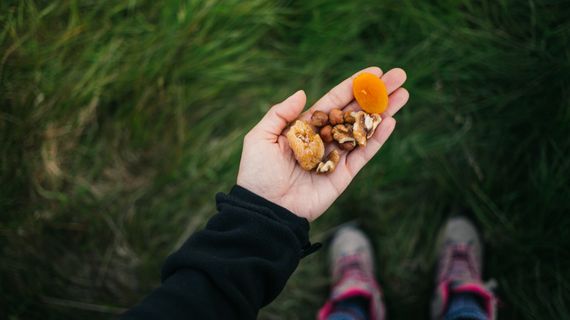
Combine fruit with nuts, seeds or oats, which are rich in both soluble and insoluble fibre.
Avoid polyphenol supplements without fibre – they do not have the same effects as whole foods or food supplements that combine both substances.

3. Regularity and long‑term habits are key
Changes in the microbiome can occur within only a few days, as shown by short‑term studies.
Tips for long‑term inclusion:
Focus on habits rather than one‑off detoxes – instead of occasional detoxes, regularly enjoy enough vegetables and fruit
Start with breakfast – green tea, berries, oats, a few walnuts.
Change one meal a day – for example, add a handful of blueberries to yoghurt, or have an apple with cinnamon instead of dessert.
4. Minimise consumption of ultra‑processed foods
Ultra‑processed foods (fast food, industrial cookies, sweetened cereals, sweetened drinks) often contain:
little fibre and natural antioxidants
a high proportion of sugar, refined fats and are calorie‑dense
contribute to a reduced microbial diversity and an increase in pro‑inflammatory bacteria
Moreover, they can negatively affect the effects of polyphenols by disrupting the microbiome needed for their activation.
Practical recommendations:
limit packaged snacks, sweetened yoghurts and flavoured drinks
cook at home, from fresh ingredients
when shopping, check the ingredients – the fewer, the better
The microbiome is sensitive and cannot be “fixed” with a single apple. It needs an environment in which it can thrive long‑term.
Bottom line
A diet rich in polyphenols – i.e., substances found, for example, in fruit, green tea, dark chocolate or olive oil – has, according to scientific studies, a positive effect on the gut microbiome. It supports the growth of beneficial bacteria, reduces inflammation and can thus help lower the risk of obesity and other chronic diseases.