-
Many people distinguish between “theine” in tea and “caffeine” in coffee, as if they were two different substances with different effects. From a chemical perspective, however, this is a myth.
-
Theine and caffeine are the same molecule. The difference is not in the substance itself, but in the drink you consume it in. In other words, it comes down to dose, speed of consumption, preparation method and the presence of other bioactive compounds, especially L‑theanine and polyphenols.
Theine and caffeine are chemically identical
The term theine historically referred to caffeine isolated from tea. Today, however, we know that it is not a different “tea form” of caffeine, but the exact same chemical structure: 1,3,7‑trimethylxanthine.
After ingestion, caffeine is rapidly absorbed from the digestive tract. In humans, approximately 99% of caffeine is absorbed within 45 minutes, and maximum plasma concentrations appear roughly 15–120 minutes after intake. Its stimulating effect is mainly due to the fact that it blocks adenosine receptors, reducing feelings of fatigue and increasing alertness.
The body does not distinguish between caffeine from coffee, tea or another food or drink. The FDA explicitly states that, in terms of how the body processes caffeine, there is no difference between caffeine naturally present in coffee and tea and caffeine added to a product.
So why does tea feel different from coffee?
The difference is not because tea contains a different substance. It is because tea and coffee are different drinks. Coffee usually provides more caffeine per serving, while tea usually provides less caffeine and also contains substances that may influence its subjective effect.
According to the FDA, 355ml of regular green tea contains about 37mg of caffeine, black tea contains about 71mg, while regular filtered coffee in the same volume can contain approximately 113–247mg. The values vary, of course, depending on the specific product, amount used, preparation method and serving size.
This means a cup of coffee usually produces stronger acute stimulation because it delivers a higher dose of caffeine. Tea, on the other hand, often feels “gentler” because it contains a lower dose of caffeine and other substances, especially L‑theanine, which naturally occurs in tea. One studyshowed that caffeine alone improved some aspects of attention and reduced mental fatigue, but that the combination of caffeine and L‑theanine had a different effect profile from caffeine alone.

How does caffeine intake from tea and coffee differ?
Coffee is typically a more concentrated source of caffeine. If someone drinks a large filtered coffee, they can easily consume a dose equivalent to several cups of tea. Coffee is therefore more often associated with a faster feeling of energy, higher alertness and, in more sensitive people, nervousness, tremors, heart palpitations or poorer sleep. Possible symptoms of excessive caffeine intake include insomnia, anxiety, tremors, increased heart rate, palpitations, nausea and headache.
Tea usually provides a lower dose of caffeine per serving, which means there is generally a lower likelihood of undesirable stimulating effects with regular consumption. One interesting study by Hindmarch et al. compared all‑day consumption of tea, coffee and water. Participants received tea containing 37.5mg or 75mg of caffeine, coffee containing 75mg or 150mg of caffeine, or water, repeatedly throughout the day. The authors found that caffeinated drinks helped maintain certain aspects of cognitive and psychomotor performance. However, all‑day tea consumption had similar stimulating effects to coffee despite lower caffeine doses and disrupted sleep less.
This suggests that tea as a drink may act differently from coffee because it contains a different dose of caffeine and other accompanying substances.
What influences the effect of caffeine in tea?
The effect of caffeine from tea depends on several factors. The first, as mentioned above, is the amount of caffeine in the infusion. This is not the same in all teas. Based on studies, we know that caffeine concentration in tea infusions depends mainly on water temperature, steeping time and the form of the leaves. Higher temperatures and longer steeping times lead to a higher caffeine concentration in the infusion, particularly for intact leaves.
The role of L‑theanine
The second factor is L‑theanine. This is an amino acid naturally present in tea, which can influence attention, subjective calm and the quality of mental focus. In one study the combination of L‑theanine and caffeine improved both the speed and accuracy of performance in an attention‑switching task and reduced susceptibility to distraction.
In another study, they tested a combination of 97mg of L‑theanine and 40mg of caffeine, and concluded that this combination helped support focus during a demanding cognitive task. This fits with the common subjective description of tea as providing a “calmer” or more stable form of stimulation, although the effect depends on dose and individual response.
The third factor is polyphenols and other substances in tea. While these do not change the chemical identity of caffeine, they may influence the overall physiological and subjective effect of the drink. A review of studies summarises that tea consistently shows an acute beneficial effect on attention and mood, with caffeine and L‑theanine being the main components studied.
Benefits and effects of caffeine from coffee
Caffeine from coffee is especially useful when the goal is faster and stronger stimulation. Thanks to the higher caffeine dose per serving, coffee can significantly increase alertness, shorten reaction time and reduce feelings of fatigue. In sport, caffeine is one of the best‑researched ergogenic substances. The position of the International Society of Sports Nutrition states that caffeine can acutely improve various aspects of sports performance, with the most effective doses usually around 3–6mg per kg of body weight.
Coffee as a drink also has potential long‑term health benefits that cannot be reduced to caffeine alone. A large review published in the BMJ summarised meta‑analyses of observational studies and concluded that coffee consumption was more often associated with beneficial than adverse health effects, including some metabolic, liver and cardiovascular indicators. However, the authors also note that these are mostly observational data, so causality cannot automatically be proven.
Learn more: Health Benefits of Drinking Coffee
The main disadvantage of coffee is that a higher caffeine dose can more easily exceed individual tolerance. The FDA states that, for most adults, 400mg of caffeine per day is an amount generally not associated with negative effects, but sensitivity to caffeine and the speed at which people metabolise it vary greatly.
A major drawback of caffeine is its effect on sleep
Special attention should be paid to sleep. A systematic review and meta‑analysis found that caffeine reduced total sleep time by about 45 minutes, decreased sleep efficiency and increased the time it took to fall asleep. This issue is often more pronounced with coffee than with tea, mainly because one serving of coffee usually contains more caffeine.
Benefits and effects of caffeine from tea
Caffeine from tea is often preferred when the goal is milder stimulation, better focus and a lower risk of overstimulation. Tea usually provides less caffeine than coffee, but thanks to its combination with L‑theanine, it may support attention in a different way.
Experimental studies with L‑theanine and caffeine repeatedly suggest that this combination can improve some aspects of attention, information‑processing speed and subjective alertness.
Regular tea consumption may also bring benefits
Just like coffee, regular tea consumption may offer long‑term health benefits that cannot be explained by caffeine alone. A meta‑analysis states that regular tea intake, as part of a healthy dietary pattern, may be associated with a lower risk of cardiovascular disease and overall mortality. However, as with coffee, much of the evidence comes from observational studies, where it is difficult to separate the effect of tea from a person’s overall lifestyle.

Tea affects sleep less
An advantage of tea may be its smaller impact on sleep when consumed in regular amounts. In one study, tea had similar effects to coffee despite containing less caffeine, and at the same time did not disrupt sleep as strongly.
So is tea or coffee better?
From a chemical perspective, the question “theine vs caffeine” does not really make sense because they are the same substance. The more useful question is: which drink, what dose and in what context?
If you need faster stimulation, higher alertness or an ergogenic effect before exercise or performance, coffee is usually the better source of caffeine. If you want milder support for focus, a lower dose of caffeine and the presence of L‑theanine, tea may be more suitable. Tea may also be better for people who are sensitive to caffeine and experience nervousness, tremors, heart palpitations or poorer sleep after coffee.
However, it is not true that tea does not contain caffeine, or that theine is a weaker form of caffeine. A better way to put it is that tea usually contains less caffeine than coffee and also contains other substances that may modify its effect. Chemically, though, theine is simply caffeine.
L‑theanine can also be taken separately
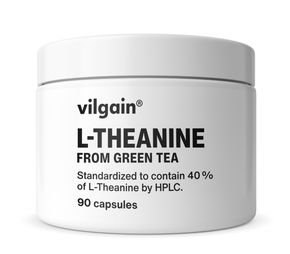
If tea does not suit you, but you are interested in the potential combination of caffeine and L‑theanine, L‑theanine can also be taken as a food supplement. This combination is often associated with “calmer” alertness — in other words, support for focus without the same pronounced feeling of nervousness that caffeine alone may cause in more sensitive people.
Studies often use a combination of approximately 40–100mg of caffeine and 97–200mg of L‑theanine.
What to take away from this?
Theine and caffeine are chemically the same substance. There is no “tea caffeine” that is inherently gentler or works by a different mechanism from caffeine in coffee. The difference lies mainly in the drink through which you consume it.
Coffee usually contains more caffeine per serving, so it can act more strongly, provide a faster feeling of energy and have a greater effect on alertness or performance. In more sensitive people, however, it can more often lead to nervousness, tremors, heart palpitations or poorer sleep.
Tea usually contains a lower dose of caffeine and also contains substances such as L‑theanine and polyphenols, which can influence the overall effect. This is why tea often feels gentler and may support focus without the same feeling of overstimulation.
FAQs
Is theine the same as caffeine?
Yes. Theine and caffeine are chemically the same substance. The term “theine” was historically used for caffeine found in tea, but it is not a different molecule or a “weaker form” of caffeine. The difference is mainly that tea usually contains less caffeine per serving than coffee and also contains other substances, such as L‑theanine and polyphenols, which can alter the subjective effect of the drink.
Why does tea feel different from coffee?
Tea and coffee do not differ in terms of the caffeine itself, but mainly in the amount of caffeine, the speed of intake and the composition of the drink. Coffee tends to be a more concentrated source of caffeine, so it often acts faster and feels stronger. Tea usually contains less caffeine and includes substances such as L‑theanine, tannins and polyphenols, which can make its effect feel gentler or more stable.
What influences the effect of caffeine in tea?
The effect of caffeine in tea is mainly influenced by the amount of caffeine in the infusion. This depends on the type of tea, amount of tea leaves, water temperature and steeping time. The longer you steep tea, and the hotter the water, the more caffeine is usually released.
L‑theanine also plays an important role. This amino acid, naturally present in tea, can moderate the rapid stimulating effect of caffeine and support calmer focus. The overall effect is also influenced by polyphenols, individual caffeine sensitivity, tolerance, time of day, and whether you drink tea on an empty stomach or with food.