-
The foundation is lifestyle and diet:Without sufficient energy and protein, good‑quality sleep and effective stress management — and without correcting deficiencies such as iron, zinc or vitamin D — no “beauty” supplement will solve the problem long term. This is especially true for hair and nails.
-
Supplements tend to have a mild, targeted effect: This may occur if you supplement with collagen peptides (hydration/elasticity), omega‑3 (inflammatory acne), cocoa flavanols (mainly prevention of worsening), probiotics only for specific strains and hyaluronic acid (mild hydration); multivitamins mainly when a deficiency is actually at risk.
“Collagen for skin”, “biotin for hair”, “hyaluronic acid for hydration” — nutricosmetics (supplements targeting skin, hair and nails) are a major trend. However, marketing claims often go well beyond what the evidence supports.
What can’t a supplement fix?
No capsule alone will, in the long‑term, fix poor sleep, chronic stress, smoking, frequent sun exposure without protection or significant caloric deficit and generally poor nutrition. These things don’t just act “on the surface”—they affect hormonal regulation, inflammation and the ability of tissues to regenerate —and a supplement often only fights against bad signals from the environment.
This is even more true for hair and nails. Most problems are not about missing some miraculous beauty vitamin, but about the body struggling, for example, with a deficiency (protein, calories, iron, zinc or vitamin D), hormonal changes, an inflammatory state, the influence of certain medications or a period after major stress or infection.
A classic example is telogen effluvium — temporary hair shedding that often appears several months after significant stress, illness or a substantial calorie deficit. In this situation, supplements may provide some support, but unless the underlying cause is addressed, improvements are often limited or short‑lived.
What is essential for healthy hair, nails and skin?
For hair, nails and skin to grow well and renew continuously, they need above all enough energy and quality “building material”. When calorie intake is low for a long time, the body starts to save on less important tissues, and the quality of hair and skin often deteriorates. Equally important is protein (amino acids), because hair and nails are mainly made of keratin — a protein — and even skin relies on protein structures that give it strength and resilience.
Another crucial group is essential fatty acids (omega‑6 and omega‑3), which are involved in skin barrier function, hydration and overall “comfort” of the skin. Among micronutrients, minerals and trace elements play a major role, especially iron and zinc (supporting growth and regeneration processes), iodine (via thyroid function), as well as selenium and copper.
For skin and tissue renewal, certain vitamins are also important: vitamin C (supports collagen production), vitamin A (renewal and proper function of skin cells), vitamin D (regulation of skin processes) and vitamin E (antioxidant protection of skin lipids). In some people, deficiency can also manifest as a lack of biotin (vitamin B7), typically affecting nails, hair and skin.

This doesn’t mean everything needs to be supplemented
The primary source of these nutrients should be a balanced diet. More is not automatically better. For some nutrients, excessive intake can actually be harmful. For example, high doses of selenium can be toxic and have paradoxically been linked to hair loss. Similarly, excessive vitamin A intake has also been associated with hair shedding.
Collagen peptides/hydrolysed collagen
Collagen peptides, or hydrolysed collagen, may provide support for skin structure and hydration. Some people notice their skin appears slightly more elastic or “plumper”, but differences are usually subtle and vary between individuals.
Looking at research, a meta‑analysis of randomised controlled trials reported overall improvements in skin hydration and elasticity with collagen supplementation. However, a more recent meta‑analysis points out an important detail: when studies were divided by funding, in studies without pharmaceutical funding, the effect on hydration/elasticity/wrinkles was not found. This does not mean that collagen necessarily does not work, but rather that it is better to expect a mild effect and keep in mind that some results may be “embellished” by study selection or design.
If you want to try it, it makes more sense to evaluate changes after weeks to months, not after a few days. You can use bovine hydrolysed collagen or marine collagen.

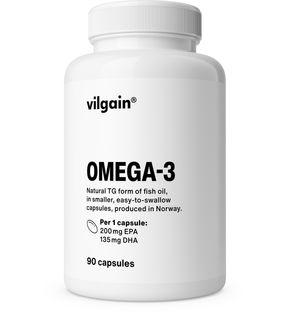
Omega‑3 (EPA + DHA)
For inflammatory acne, they may reduce the inflammatory component in some people. It makes sense to view this as a supplement to care/therapy, rather than a replacement for dermatological care.
In a 10‑week randomised controlled intervention (45 people with mild to moderate acne), the group with omega‑3 (EPA+DHA) and the group with GLA (from borage oil) both saw a decrease in inflammatory and non‑inflammatory lesions compared to the control.
Cocoa flavanols
In several randomised studies lasting 3 to 6 months, daily intake of about ~320mg flavanols (typically from high‑flavanol cocoa/cocoa in powder or drink form) led to a small improvement in skin roughness and fine wrinkles. These are not overnight changes; in practice, these effects often begin to show after about 12 weeks of regular use.
For elasticity, the results are more noticeable. In some studies, it improved at doses of approximately 320–600mg flavanols daily (whether from processed cocoa products or high‑flavanol chocolate). For example, one study using high‑flavanol chocolate administered 600mg of flavanols/day and reported a small improvement in elasticity in the temple area.
On the other hand, effectiveness on skin hydration has not been proven, and it also appears that cocoa flavanols act more as protection against worsening of skin condition rather than improvement of the current state.
Probiotics
Probiotics are best understood as an intervention within thegut–skin axis. In some individuals, they may influence inflammation and skin reactivity. However, their effects are strain‑specific — meaning that even different strains of the same bacterial species can have different outcomes. As a result, one probiotic may be helpful, while another may have little or no effect.
A recent meta‑analysis in people with atopic dermatitis found that certain probiotics can improve eczemaseverity. The strongest effects were seen with Lactobacillus salivarius, followed by L. acidophilus. A smaller benefit was observed with L. plantarum, while L. fermentum showed no clear advantage. Effects were also more pronounced in people with moderate to severe eczema than in those with milder forms.
That said, the authors emphasised that there is still insufficient evidence to determine the ideal dose, duration or treatment protocol.
In another study, scientists studied Lactobacillus plantarum HY7714 in people with dry skin and wrinkles: for 12 weeks, they took 1×10^10 CFU/day and hydration, TEWL (transepidermal water loss), wrinkles, shine and elasticity were evaluated. In the probiotic group, water content in the skin of the face and hands increased, TEWL was more “suppressed” compared to placebo (a sign of a better barrier), wrinkle depth decreased and shine and elasticity improved (already after 4 weeks and more significantly after 12 weeks).
Hyaluronic acid
Oral hyaluronic acid may slightly improve skin hydration from within. Hyaluronan is a molecule capable of binding and retaining water.
In a placebo‑controlled study (120mg daily, 12 weeks), some participants saw improvement in wrinkles and skin dryness. A more recent meta‑analysis of RCTs overall supports improvement in hydration, elasticity and wrinkle depth, while some other parameters (e.g., TEWL) are less consistent.
Is it worth taking a multivitamin?
A multivitamin aimed at supporting skin, hair and nail health is most appropriate when there is a genuine risk — or confirmed presence — of nutrient deficiency (for example, with long‑term restrictive dieting, malabsorption, or very limited dietary variety). In these situations, correcting a deficiency can meaningfully improve symptoms. However, if you already eat a varied, balanced diet and have no deficiencies, the benefit of “beauty” multivitamins is often uncertain and typically modest. More is not better. High doses of certain nutrients can cause harm. For example, excessive selenium or vitamin A intake has been linked to hair loss. In practice, it makes most sense to address the underlying cause of the issue and, where necessary, supplement only the nutrients that are genuinely lacking.

Bottom line
Nutricosmetics can be a useful “crutch” that helps some people gently improve the condition of their skin, hair, or nails. However, they should not replace the main thing: in the long run, the biggest difference is made by a quality diet with enough protein, reasonable hydration, regular sleep and stress management.
If you want to try supplements, collagen peptides, omega‑3 fatty acids, hyaluronic acid or cocoa flavanols often make sense — and for hair or nails, also targeted supplementation of vitamins and minerals, but mainly when their intake is low, or a deficiency is confirmed.