Matcha is a specific type of Japanese green tea that differs from regular green tea in cultivation, processing and method of consumption.
With classic green tea, you steep the leaves in water and then discard them. With matcha, you drink a finely ground powder made from the entire tea leaf, so you consume a more concentrated amount of substances naturally present in the tea plant, especially caffeine, L‑theanine and polyphenols including catechins.
What is matcha and how does it differ from regular green tea?
Matcha is made from Camellia sinensis, the same plant as green, black or white tea. The difference lies in how the leaves are handled. Tea plants intended for high‑quality matcha are shaded before harvest.
Shading before harvest increases the content of certain substances
Limiting sunlight changes the composition of the leaves. It increases the content of chlorophyll and substances responsible for the typical umami flavour. That’s why high‑quality matcha has a bright green colour and a milder, less astringent flavour profile.
After harvesting, the leaves are usually gently steamed, dried, stripped of coarser parts and ground into a very fine powder. The result is a powder that is mixed directly into water.
With matcha, you drink almost the entire leaf
The main difference between green tea and matcha is that with matcha, you consume a larger part of the leaf as a whole, and thus a higher amount of certain bioactive substances. That’s why the origin, freshness and quality of the raw material matter more.
Why does matcha feel different from coffee?
Just like coffee, matcha contains caffeine. The difference is that the caffeine in matcha comes together with L‑theanine, an amino acid typical of the tea plant. In one serving, you get a combination of a stimulating substance and a compound associated with calmer, more focused attention.
How does caffeine work?
Caffeine blocks adenosine receptors in the brain. Adenosine is one of the substances that contributes to the feeling of fatigue during the day. When caffeine temporarily suppresses its effect, you feel more alert.
L‑theanine is a great partner for caffeine
After consumption, L‑theanine is absorbed and can act in the central nervous system. It is particularly interesting because it complements caffeine very well. While caffeine promotes alertness and mental performance, L‑theanine can “smooth out” some of this stimulation towards calmer and more stable attention. That’s why matcha may feel different from coffee for some people – less jittery, but still stimulating.
In a small study, a dose of 50mg L‑theanine led to higher alpha brain wave activity compared to placebo. Alpha waves are associated with a state of relaxed alertness, meaning you feel calmer but not sleepy. This may explain why L‑theanine is often linked to better focus and a more pleasant mental state.
Even more interesting are studies comparing the effect of caffeine alone with the combination of caffeine and L‑theanine. In one of them, scientists tested 250mg L‑theanine, 150mg caffeine, their combination and a placebo. Caffeine alone improved reaction time and accuracy in a rapid visual information processing test and helped reduce the increase in mental fatigue. The combination of caffeine and L‑theanine, however, brought an even wider effect and improved simple reaction time, working memory reaction time and sentence accuracy, increased subjective alertness and, at the same time, reduced the feeling of fatigue.
In other words, caffeine can give you a boost, but in combination with L‑theanine, this effect can be smoother and better suited for focused work.
Learn more: L‑Theanine: What It Is, Effects and Dosage
How much caffeine does matcha contain?
The caffeine content in matcha varies depending on origin, quality, harvest and powder dose. It is generally stated as about 20–40mg of caffeine per 1g of powder.
If you use 2g of matcha, you can get approximately 40–90mg of caffeine. This is roughly similar to an espresso or a weaker filter coffee, but it depends on the specific preparation.
Thanks to the lower dose of caffeine, there may also be a lower risk of unpleasant effects such as irritability, nervousness or poorer sleep quality.

Matcha vs. coffee
| Matcha | Coffee | What it means | |
| Caffeine content | approx. 38–89mg per 2g matcha dose | approx. 90mg in 200ml filtered coffee; espresso approx. 80mg / 60ml | Matcha can have a similar amount of caffeine as weaker coffee, but it depends a lot on the powder dose. |
| L‑theanine | approx. 19–57mg per 2g matcha dose | practically 0mg | L‑theanine is the main reason why matcha may feel different from coffee. |
| Onset of effect | usually approx. 30–120 minutes depending on caffeine absorption | similarly approx. 30–120 minutes | The difference is not so much in the speed of onset, but rather in the subjective feeling of energy. |
| Duration of effect | range 2–8 hours | similar | For both drinks, caffeine can affect sleep, especially when consumed in the afternoon or evening. |
| Energy crash | often milder, thanks to the combination of caffeine and L‑theanine | in more sensitive individuals it can be more pronounced | Coffee may feel more like a “kick,” while matcha is more stable. The effect is individual. |
Antioxidants in matcha: EGCG and catechins
Matcha is a rich source of polyphenols, especially catechins. The main catechins in green tea include epicatechin, epicatechin gallate, epigallocatechin and epigallocatechin gallate, known asEGCG. EGCG is the most frequently mentioned compound because it is among the most abundant and biologically most active catechins in green tea.
EGCG is simply classified as an antioxidant. In laboratory and partly in human studies, its effect on oxidative stress, inflammatory signalling pathways, vascular function, lipid metabolism and insulin sensitivity is monitored. However, it is important to note that much of the mechanistic data comes from cell or animal models, and strong claims about disease prevention in humans cannot automatically be made from them.
Matcha contains much more EGCG than green tea
According to one analysis, the concentration of EGCG available from drinking matcha is up to 137× higher than in the compared China Green Tips tea and at least 3× higher than the highest previously reported value for other green teas. This was a specific comparison of specific samples and does not automatically apply to every matcha and every green tea on the market.
What exactly do studies show about EGCG?
Most high‑quality human data relates more to green tea or green tea extracts. However, results suggest that substances contained in green tea may have a slightly beneficial effect on some health indicators. For example, a meta‑analysis of 13 randomised studies with 1,367 participants found that green tea reduced systolic blood pressure by an average of 1.98 mmHg and diastolic blood pressure by 1.92 mmHg. So it’s not a dramatic effect, but rather a small shift that may make sense mainly as part of an overall healthy lifestyle.
Similarly mild results are seen with blood lipids. A meta‑analysis of 31 studies with more than 3,000 participants found a reduction in total cholesterol and LDL cholesterol by 0.12 mmol/l.
Higher antioxidant intake is associated with beneficial effects on health
Antioxidants help the body cope with free radicals, which are naturally produced, for example, during metabolism, stress, pollution, smoking or intense physical activity. They are often referred to as “harmful substances”, but it’s not that simple. The body needs free radicals in certain amounts – for example, for proper immune function or adaptive responses after exercise. The goal is not to eliminate free radicals completely, but to maintain a healthy balance between them and antioxidant protection.
From observational studies, it appears that people who have more antioxidants in their diet tend to have a lower risk of death from all causes, cardiovascular diseases and some types of cancer. This data mainly concerns antioxidants from regular food, i.e. from fruit, vegetables, tea, coffee, cocoa, wholegrains or other plant sources. These foods contain not only antioxidants but also fibre, vitamins, minerals and other bioactive substances that work together. On the other hand, the results for antioxidants in the form of food supplements are far less convincing.
How to recognise quality matcha?
The most reliable indicators are colour, origin, freshness, price, aroma, taste and manufacturer transparency.
Colour: quality matcha should be bright green to deep green. A lighterto intense green colour usually relates to younger leaves, shading, higher chlorophyll content and gentle processing.Brownish, olive or greyish matcha often indicates poorer raw material, oxidation, age or improper storage. Such matcha tends to have a flatter, more bitter taste and less umami.
Origin: can be a clue, but does not guarantee quality by itself. Japan is the traditional origin for matcha, and quality products often mention regions like Shizuoka, Kagoshima or Uji. However, the final quality is also influenced by cultivar, growing area, degree of shading, harvest, processing, grinding and storage. Personally, I would prefer matcha powder from Japan rather than, for example, China, where there may be less quality control.
Price: very cheap matcha is often not the best for pure preparation with water, where bitterness or musty flavour stands out. Quality matcha requires shading, careful harvesting, sorting and fine grinding, which is reflected in the price. Cheaper matcha may make sense for baking, smoothies or lattes, where the flavour is masked by milk, sweetener or other ingredients.
Aroma and taste: good matcha smells fresh, grassy and slightly sweet, with a typical umami flavour. It should not resemble musty powder, hay or bitter cocoa. The taste of quality matcha is not completely without bitterness, but bitterness should not dominate.
Ceremonial, premium and culinary: which type to choose?
The labels ceremonial, premium and culinary should be taken as a guide. It is not a perfectly standardised system where every manufacturer uses exactly the same rules. Still, these categories can help you choose a product based on how you plan to use it.
Ceremonial matcha is intended mainly for traditional preparation with water. It should be the finest, least bitter, with a pronounced umami flavour and bright colour. It makes sense when you want to drink matcha on its own as usucha or koicha and really care about the taste.

Premium matcha is a more versatile option. It is suitable for a quality drink, matcha latte and modern kitchen uses. It typically offers a good balance between taste, fineness and price.
Culinary matcha is mainly suitable for baking, porridge, smoothies, ice cream, creams or lattes. It tends to have a more pronounced, grassy and more bitter flavour. This is not necessarily a flaw, because in recipes its intensity will not be lost. For pure drinking with water, however, it is often not as pleasant as premium or ceremonial matcha.
Why does organic (BIO) make more sense for matcha than for many other foods?
Organic certification is not a guarantee of better taste or zero residues. But for matcha, it makes more sense than for regular steeped tea, because you don’t just consume an infusion, but the entire ground leaf. So if you are concerned about pesticide residues or overall raw material control, matcha is a product where it pays to choose more carefully.
At the same time, there is no reason for major concerns. In the UK, pesticide residues in food are subject to legal maximum residue levels (MRLs). Ordinary matcha does not automatically mean a dangerous product. Whether organic or not, it is always advisable to look for a manufacturer that states the origin, certification and processing method, and ideally also provides laboratory tests for heavy metals or contaminants. For powdered tea, which you drink whole, transparency is a bigger plus than for tea whose leaves you discard after steeping.
How do you prepare matcha correctly?
With matcha, details matter. If you pour boiling water over it, use too much powder or mix it poorly, it will be bitter, lumpy and bland.
Basic method for classic usucha:
Sift 1–2g of matcha through a fine sieve
Add 60–80ml of water at about 75–80°C
Mix with a bamboo whisk (chasen) using quick movements
Whisk briefly and vigorously until a fine foam forms
Drink right away, as matcha settles over time
Ippodo, a traditional Japanese tea producer, recommends 2g of matcha, 60ml of water at 80°C and intense whisking for about 15 seconds for basic usucha.
Why not boiling water? Water that is too hot will accentuate bitterness and astringency. Matcha will then taste less fresh and its umami profile will be lost. Why a sieve? Matcha is a very fine powder that easily forms lumps. Sifting helps create a smoother texture and better foam.
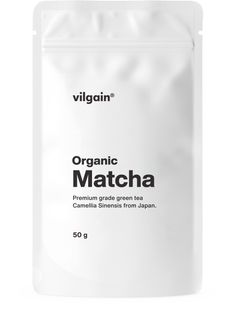
Using matcha powder beyond drinks
Matcha is also suitable for the kitchen. You can add it to porridge, yoghurt, smoothies, pancakes, protein shakes, cheesecake, biscuits, homemade ice cream or cream. In these recipes, cheaper culinary or everyday matcha is usually sufficient, because the subtle nuances of premium powder are easily lost when combined with flour, milk, fruit or chocolate.
When baking, keep in mind that heat and other ingredients change both colour and flavour. If you want to preserve a greener shade, use higher‑quality powder, don’t overdo the temperature and store matcha well‑sealed, away from light, moisture and strong odours.
Is matcha safe?
For most healthy adults, regular consumption of matcha is safe if you monitor your total caffeine intake. The UK Food Standards Agency advises that caffeine intakes of up to 400mg per day are unlikely to cause adverse effects in most healthy adults. During pregnancy, NHS guidance recommends no more than 200mg per day from all sources.
Caution is advised for people with high sensitivity to caffeine, anxiety, insomnia, untreated high blood pressure, arrhythmias or those taking medications that may interact with caffeine or polyphenols. It is also not a good idea to replace regular matcha with high‑dose green tea extracts. EFSA states that catechins from regular green tea infusions are generally considered safe, but in food supplements, EGCG doses around 800 mg/day may pose a risk to the liver.
What’s the takeaway?
Matcha is a more concentrated form of green tea because you drink the entire ground leaf. As a result, it contains higher amounts of caffeine, L‑theanine and catechins, especially EGCG. The best‑supported effects relate to mild support of attention and small but measurable effects of green tea on some cardiometabolic indicators. However, matcha does not replace the intake of health‑promoting substances from a varied diet and will not miraculously “detox” you.
When choosing, pay attention to colour, origin, freshness, price and manufacturer transparency. For pure drinking, premium or ceremonial matcha is worth it; for lattes and recipes, a quality everyday or culinary variant is often sufficient.
FAQs
Does matcha have more caffeine than coffee?
Per gram of dry powder, matcha can contain a lot of caffeine, but the real comparison depends on the serving size. A typical 2g serving of matcha can provide about 40–90mg of caffeine, which is similar to an espresso or a weaker filter coffee. A large matcha latte made with 3–5g of powder can match or even exceed the caffeine content of coffee.
What is L‑theanine and why does it reduce the negative effects of caffeine?
L‑theanine is an amino acid naturally present in tea. It is studied for its effect on alpha brain waves and neurotransmitter systems associated with calmer attention. In combination with caffeine, it can improve focus and reduce feelings of jitteriness, so the energy from matcha may feel more stable for some people than the energy from coffee.
Is matcha suitable during pregnancy?
Matcha can be part of the diet during pregnancy, but it is important to monitor total caffeine intake from all sources such as coffee, tea, matcha, chocolate, cola or energy drinks. The NHS advises having no more than 200mg of caffeine per day during pregnancy.