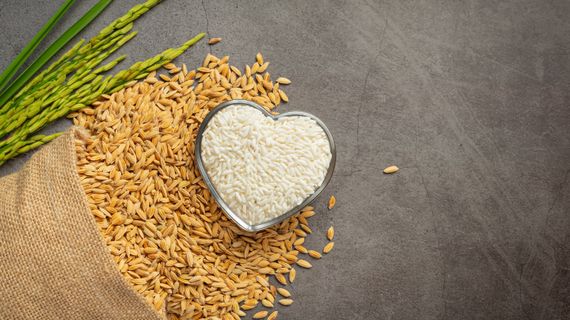
Functional foods contain ingredients that have a positive effect on human health.
Key substances may be naturally present in the food or deliberately enriched.
Where did functional foods come from?
The original concept of functional foods originated in Japan, where, in the 1980s, foods naturally containing or enriched with health‑promoting ingredients were referred to as FOSHU (food for specified health uses). In Europe, there is currently no concrete definition or criteria to describe functional foods. However, a number of rules and regulations related to food labelling and nutrition and health claims are closely related to functional foods and are therefore governed by the rules set out in (EC) 1924/2006.
What do functional foods look like today?
According to studies, functional foods have certain health properties and the ability to reduce the risk of developing certain chronic diseases beyond the traditional nutrients they contain. This somewhat skeletal phrase means that besides their nutritional (nourishing) function, these foods also contain substances that provide something "extra" to your health. However, these foods are still part of the normal conventional diet and are intended for everyday consumption. They are not medicines or dietary supplements in the form of tablets, powders, etc.
Health‑promoting substances may be naturally present in foods. Still, to ensure that the substance is present in sufficient quantities, it is sometimes necessary to resort to so‑called fortification or enrichment. The aim of these foods is, therefore, to enrich the diet with substances that support the function of the immune system, the optimal composition of the gut microbiome or antioxidants and bioactive substances that support the prevention of cardiovascular and other chronic diseases.
What ingredients are responsible for the positive properties of functional foods?
As mentioned above, functional foods today do not have an official definition, and, as such, there is no fixed list of ingredients with positive health benefits. This article lists the substances that are typically found in a typical Central European diet and are supported by the literature.
1. Probiotics
Probiotics are living organisms that inhabit various areas and parts of the human body, but in this case, the gut microbiome will be the focus of most attention. Research confirms that the composition of the bacterial population in your gut has a major impact not only on digestion and elimination but also on the functioning of the immune system and psychological well‑being. To some extent, the gut microbiome may also determine the success of weight loss.
2. Prebiotics
Prebiotics differ from probiotics in that they are not living organisms but non‑digestible food components that these microorganisms feed on and can thus thrive better. Probiotics are most often in the form of oligo or polysaccharides.
3. Synbiotics
The term synbiotics refers to the combination of the two ingredients mentioned above, i.e., probiotics and prebiotics. Combining the two has been shown to achieve a greater effect than when these ingredients are given individually.
4. Vitamins and minerals
Vitamins and minerals are an often overlooked but essential component of the diet. Many of them have an antioxidant function, but in particular, they are needed to synthesise various substances important for metabolism or even body structures (see collagen and vitamin C). In addition, they are often important for the actual course of reactions in the body, for example, in the case of the energy chain.
However, if foods are cooked and stored improperly or highly processed products are consumed in excess at the expense of whole foods, their natural content can be rapidly reduced. Various diets and food intolerances or allergies can also be a problem. For example, vegans may suffer from a lack of vitamin B12, which is found in meat, and people with cow's milk protein allergies may not consume enough vitamin D and calcium, the main sources of which are milk and dairy products. Although the rule of thumb is to eat a varied diet with plenty of fruit, vegetables and whole foods, in some cases, it may be advisable to look for fortified functional foods or supplements.
5. Antioxidants and other bioactive substances
Reactive oxygen species have become synonymous with something negative. But, the truth is that they are needed in the body for the function of the immune system or the synthesis of bile acids. The problem arises when there are too many of them, and that's why your body has an antioxidant system to restore the balance. Although the body's own systems play a major role in this process, it is advisable to support these processes through the intake of antioxidants and other health‑promoting substances from the diet.
There are many substances with antioxidant effects, such as vitamin E, vitamin C, and polyphenols including catechins from green tea, carotenoids, curcumin and many others.
6. Fatty acids
Although the human body can make most fatty acids (FAs), there are a few exceptions, namely the omega‑6 and omega‑3 fatty acids, where these FAs are then used to make other important fatty acids. In the diet, it is difficult to achieve a sufficient intake of omega‑3 fatty acids, particularly since the really good sources are mainly fatty marine fish, which are not very appealing to the average consumer. If you are not a fish lover, I recommend that you consider supplementing with fortified foods or supplements.
- Learn more: Which Omega 3 Supplement is Best?
7. Beta‑glucans
The last ingredient mentioned with positive effects on health is beta‑glucans. You can find them mainly in oats, oat bran, barley or barley bran. Its beneficial effects have been proven, especially in the case of maintaining normal cholesterol levels. However, according to the HSE, the beneficial effect is achieved only when 3g of beta‑glucans from oats, oat bran, barley bran or mixtures of these sources are consumed daily.

What are some examples of specific foods?
1. Foods with a natural content of functional ingredients
Fruits and vegetables contain a range of vitamins, minerals, antioxidants and other biologically active ingredients
Oats and barley contain beta‑glucans, which contribute to maintaining normal blood cholesterol levels
Garlic contains sulphur compounds and substances with antioxidant properties that may support immune system function, protection against free radicals
Whole grains and legumes contain fibre, which contributes to normal digestive function and some of its components also serve as food for gut bacteria (i.e., prebiotics)
2. Fortified foods
Typically, this may include:
Iodised salt
Vegetable drinks fortified with vitamin D and calcium
Iron‑fortified cereals
Fermented dairy products
We'll pause with fermented dairy products for a moment. You might expect to find them more in the first group of foods, containing functional ingredients naturally. However, raw milk doesn't actually contain probiotic microorganisms, and the bacterial culture is added to the milk for fermentation purposes. For this reason, they are included here.
Bottom line
Functional foods are a source of certain ingredients that positively affect human health. These can then be naturally present in the food or added to it. Although the basis should always be a varied and balanced diet based on whole foods, the inclusion of fortified foods in the diet may be beneficial in some cases, especially if, for some reason, it is necessary to exclude a particular food group that is a natural source of a given substance.