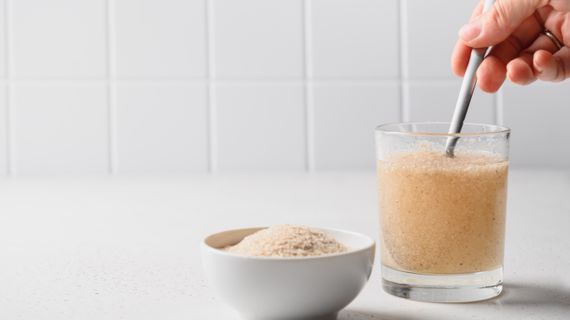
Beta‑carotene is an orange pigment and a precursor to vitamin A, found in foods such as carrots and sweet potatoes.
What is beta‑carotene?
Beta‑carotene is a natural pigment belonging to the carotenoid group, which is responsible for the orange, yellow and red colour of many fruits and vegetables. It is a provitamin, which means the body converts it into vitamin A. This vitamin is essential for healthy eyesight, a well‑functioning immune system, cell growth, the maintenance of normal skin and mucous membrane condition and proper iron metabolism. Beta‑carotene also has significant antioxidant properties (antioxidants help protect cells from damage caused by free radicals).
The body obtains beta‑carotene mainly from foods "coloured" with it, such as carrots, sweet potatoes, spinach, pumpkin, apricots and mangoes. Intake of beta‑carotene from natural sources is generally considered safe. Still, excessive consumption of dietary supplements high in beta‑carotene may have negative effects, especially in smokers, as it may cause an increased risk of lung cancer (due to its interaction with carcinogens in cigarette smoke.
What foods can beta‑carotene be found in?
Vegetables
- Carrots
- Sweet potatoes
- Spinach
- Cabbage
- Pumpkin
- Red peppers
- Broccoli
- Coleslaw
- Peas
Fruit
- Mango
- Papaya
- Cantaloupe melon
- Apricots
Animal foods
- Cod liver oil
- Beef liver
- Egg yolks


5 potential benefits of beta‑carotene consumption and supplementation
- Promoting healthy eyesight: beta‑carotene is converted by the body into vitamin A, which is crucial for maintaining good vision. This is because vitamin A is essential for the production of rhodopsin, a protein in the eye that enables vision to function in low light. Thus, adequate intake of beta‑carotene can help prevent night blindness and other eye problems associated with vitamin A deficiency.
- Strengthening the immune system: vitamin A is also an important aid to the proper functioning of the immune system. It helps maintain the integrity of the mucous membranes, lining the respiratory tract, digestive tract and urinary system, preventing pathogens from entering the body. It also supports the production and function of white blood cells, which are essential for fighting off infections.
- Antioxidant protection: beta‑carotene is a powerful antioxidant that protects cells from damage caused by free radicals. This cellular protection may reduce the risk of chronic diseases, such as cardiovascular diseases and some cancers. Antioxidants also contribute to slowing the ageing process.
- Promoting skin health: vitamin A supports the normal condition of the skin and mucous membranes, and offers some protection against sunlight and pollution. Beta‑carotene can also help to maintain skin hydration and elasticity, contributing to a healthier, fresher appearance.
- Supporting cognitive function: antioxidants, such as beta‑carotene, can improve cognitive function, according to some studies. However, a 2018 review that included eight studies focusing on antioxidants, including beta‑carotene, found little benefit associated with beta‑carotene supplementation on cognitive function and memory (only in the long term; in the short term, they concluded that more research is needed).
How much beta‑carotene do I need?
The recommended daily intake of beta‑carotene varies depending on the source and desired health benefits. However, there are some general recommendations: the average daily intake is estimated to be between 2 and 7 mg from food sources. This can be achieved by consuming a variety of fruits and vegetables such as:
- Sweet potatoes (9.4 mg per 100 g)
- Carrots (9.2 mg per 100 g)
- Cabbage (8.8 mg per 100 g)
- Pumpkin (6.9 mg per 100 g)
- Spinach (5.9 mg per 100 g).
As far as dietary supplements are concerned, beta‑carotene supplementation is not entirely common. An over‑the‑counter preparation should be fine, but the goal is to primarily obtain it from food. However, if you insist on this option, consult your doctor (they will probably recommend an intake of 3–6 mg/day).
Bottom line
Beta carotene is a natural pigment and provitamin A found in many fruits and vegetables, such as carrots, sweet potatoes, spinach and mangoes. Thanks to its antioxidant properties, it helps to protect cells from free radical damage. Consuming foods rich in beta‑carotene is safe and beneficial, but excessive intake, especially in smokers, can have negative effects.