- Premenstrual syndrome afflicts more than half of women of childbearing age.
- Research shows that certain herbs, vitamins and minerals can promote relief from the unpleasant symptoms of PMS.
PMS refers to a collection of physical, psychological, and behavioural symptoms that occur in relation to the menstrual cycle. According to statistics, it affects around 50‑60% of women of childbearing age, which the World Health Organization defines as between 15‑49 years. You may also have come across the term PMDD, or Premenstrual Dysphoric Disorder, a severe form of PMS that can significantly impact a woman’s ability to function in daily life.
This article aims to introduce you to the micronutrients and herbs currently being studied for their potential to alleviate the symptoms of PMS and PMDD.
Micronutrients
1. Calcium
Calcium has been the subject of many studies related to PMS symptoms, with most showing clear benefits. It has demonstrated effectiveness in alleviating nervousness, irritability, low mood, bloating, headaches, breast tenderness, fatigue, cramps, and back pain.
A 2019 systematic review highlighted that deficiencies in calcium and vitamin D during the luteal phase may worsen PMS symptoms — while supplementation with these nutrients can help reduce them.
In a 2017 study, participants were given 500mg of calcium daily for two months, resulting in a significant reduction in the symptoms mentioned above.
2. Vitamin D
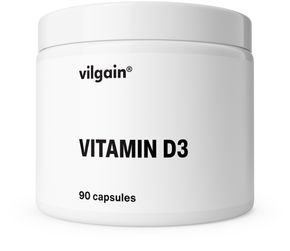
As mentioned, vitamin D, along with calcium, can help alleviate PMS symptoms. Similar findings were established for vitamin D alone, which was administered for 2 months. Research from 2024 also confirmed a positive effect on both physical and psychological symptoms associated with PMS.
Doses in older studies were often very high, but the most recent study from 2024 confirmed efficacy at a dose of 1.25mg for 16 weeks.
3. Magnesium
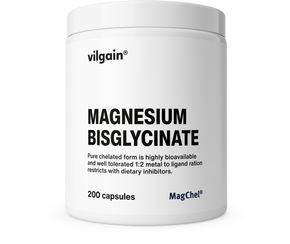
Magnesium is essential for normal mental and nervous system function, and it also plays a role in reducing fatigue and tiredness. Unsurprisingly, it’s a strong contender when it comes to natural approaches for managing PMS. Studies suggest that magnesium supplementation can be genuinely effective in relieving PMS symptoms — particularly anxiety, among others. However, the effectiveness depends largely on the form of magnesium used. No noticeable improvement was found with inorganic forms, whereas the organic magnesium salt known as PCA (magnesium pyrrolidone carboxylic acid) led to clear benefits after two months of use.
Magnesium also has an additional advantage: it enhances the absorption, effectiveness, and tolerability of certain NSAIDs commonly used to treat menstrual discomfort. This effect has been observed specifically with ibuprofen‑based medications such as Ibalgin and Brufen, and many pharmacists recommend taking magnesium alongside them for better results.
In the study that showed positive effects from magnesium PCA, the daily dose contained 360mg of magnesium. Based on previous research, organic forms such as magnesium citrate, malate, or bisglycinate are generally better absorbed and more effective.
4. Vitamin B6
Vitamin B6 contributes, among other things, to normal mental and nervous activity, and it plays a crucial role in the synthesis of neurotransmitters such as GABA, serotonin, dopamine, noradrenaline, etc. Because of this, it has been extensively researched as a potential treatment for PMS. That said, findings have been mixed. A large meta‑analysis found that 7 out of 13 studies showed positive effects of vitamin B6 supplementation on PMS symptoms, 5 showed no effect, and 1 study found improvement according to researchers — but not according to the participants themselves. More recent research largely supports a positive effect but also highlights that many of the studies were of low quality. Of the more rigorous studies, 3 out of 4 confirmed a benefit. Interestingly, the combination of vitamin B6 with vitamin E and evening primrose oil appears particularly promising (see the Herbs section for more on this).
It’s worth noting that many studies used very high doses of vitamin B6, typically ranging from 50mg to often more than 100mg - but the size of the dose did not correlate with possible beneficial effects. However, there was no clear link between higher doses and better outcomes. In fact, as of 2023, the European Food Safety Authority (EFSA) recommends a maximum daily intake for adults of 12mg in 2023. So while it’s important to ensure adequate B6 intake, exceeding the recommended limit is not advisable. Most studies lasted around two months, which seems to be a common duration for evaluating the effects of supplementation.
5. Omega‑3 fatty acids
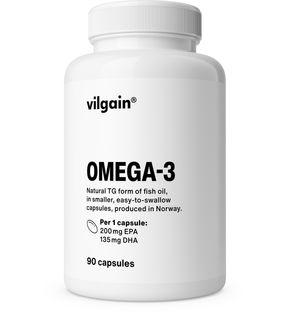
The evidence for the effectiveness of omega‑3 fatty acids in reducing PMS symptoms is somewhat inconsistent. However, an analysis from 2022 concluded that omega‑3s may reduce the intensity and frequency of unpleasant PMS symptoms based on the available literature. The analysis also suggested that certain benefits may have been overlooked in earlier studies and that longer‑term use may lead to greater effects. More recently, a publication from 2024 supported this, noting improvements in symptoms such as irritability, low mood, and difficulties carrying out day‑to‑day activities.
In the most recent study, participants were given 1g of omega‑3 per day for two months.
- Learn more: Which Omega 3 Supplement is Best?
6. Vitamin E
Vitamin E primarily contributes to protecting cells from oxidative stress, but some studies have also identified it as helpful for alleviating a range of PMS symptoms — including headaches, fatigue, food cravings, tearfulness, depressive feelings, insomnia, mood swings, irritability, and anxiety. That said, not all studies have confirmed these effects. Most existing research has used tocopherol, the most common form of vitamin E.
As mentioned above, a 2019 study highlighted the potential of a combined supplement of vitamin B6, evening primrose oil, and vitamin E in the form of tocotrienols. According to the authors, tocotrienols may be more effective than tocopherols, and they considered this blend a particularly promising approach for managing PMS symptoms.
In studies using tocopherol, typical doses ranged from 100–200mg per day. In contrast, the tocotrienol form showed effectiveness at just 30 mg per day when combined with vitamin B6 and evening primrose oil. Most research indicates that a two‑month period is required to see results. However, a 2023 study found improvements from tocopherol supplementation after only seven days of use during the luteal phase of the menstrual cycle.
Herbs
1. Ginkgo biloba
Ginkgo biloba is especially known for its effects on memory and concentration. However, some studies also suggest it may help alleviate symptoms of PMS — particularly both physical and psychological complaints such as breast pain and tenderness.
In these studies, doses of 40–80mg of ginkgo extract per day were most commonly used. The recommended method is to start supplementation from day 16 of the menstrual cycle (around ovulation) and continue until day 5 of the following cycle — that is, until a few days after menstruation ends. This cycle is then repeated each month.
While the precise time frame for when ginkgo begins to relieve PMS symptoms isn’t clearly established, studies in other areas suggest that noticeable effects typically occur after 4 to 6 weeks of regular use.

2. Saffron (Crocus sativus)
Saffron is a rare and costly spice, traditionally valued for its culinary and digestive benefits. More recently, it has gained attention for its potential to relieve PMS and PMDD symptoms. A more recent study (2020) tested the effects of saffron in women diagnosed with PMDD. Participants took 15mg of saffron extract twice a day for two weeks. The results showed that saffron produced statistically significant improvements comparable to fluoxetine, a commonly prescribed SSRI antidepressant.
However, saffron was associated with fewer side effects than fluoxetine, making it a promising natural alternative for some individuals.
3. Chasteberry (Vitex agnus‑castus)
A number of high‑quality studies have investigated the effects of chasteberry on PMS and PMDD symptoms. Compared with a placebo, statistically significant effects have been noted in symptoms such as irritability, mood swings, anger, breast tenderness, and headaches. Other research has compared chasteberry to vitamin B6, concluding that both were effective in reducing PMS symptoms. The effects have even been likened to Fluoxetine (see previous point). Although Fluoxetine showed slightly better results in terms of psychological symptoms, chasteberry was more effective for physical symptoms. However, there were also studies that did not find chasteberry significantly more effective than a placebo— except when it came to feelings of nervousness and restlessness, where a clear benefit was seen.
There’s no single standardised dosage, but studies have consistently shown results with a daily dose of 20mg of a standardised extract (Ze 440). For best results, chasteberry should be taken consistently for at least 3‑4 months.
4. Evening primrose (Oenothera biennis)
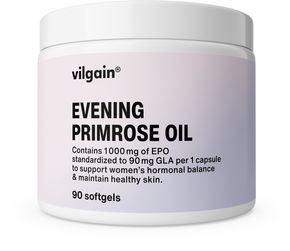
When used alone, evening primrose oil does not have strong scientific backing for alleviating PMS. Most well‑designed studies haven’t found a statistically significant benefit. One 1985 study did report an improvement in low mood related to PMS, but more recent reviews have flagged this study for methodological issues.
The previously mentioned study found that a blend of evening primrose, vitamin B6, and vitamin E (in tocotrienol form) was effective in relieving a variety of PMS symptoms — including cramps, breast tenderness, irritability, fatigue, anxiety, low mood, and appetite changes.
In this study, the daily dosage used was:
- 500mg of evening primrose extract
- 30mg of vitamin E (tocotrienol)
- 2mg of vitamin B6
As with chasteberry, noticeable benefits typically occur after at least three months of consistent use.
5. St. John's wort (Hypericum perforatum)
St John's Wort is probably one of the most well‑known herbs that positively affect psychological well‑being. Studies have repeatedly confirmed its effects in alleviating states of anxiety and even mild to moderate depression. However, when it comes to PMS symptoms, research from 2010 found that while St John’s Wort didn’t significantly improve emotional PMS symptoms, it did show statistically significant effects in reducing behavioural symptoms — such as headaches, fatigue, insomnia, and coordination issues — as well as physical symptoms like sweating and food cravings. Interestingly, the results were more promising for menopausal symptoms, where the reduction of symptoms was statistically significant. However, a more recent study from 2020 again confirmed the positive effect on both psychological and physical symptoms of PMS.
The effect of St. John's wort becomes apparent after 2‑3 weeks of use. Supplements vary widely in form and strength, but studies most commonly use standardised extracts. These are often standardised to contain either 3–5% hyperforin or around 0.3% hypericin. Dosages in clinical studies usually range between 450–900mg of extract daily, but it’s important to follow the instructions specific to the product you’re using.
Caution: St John’s Wort is known to interact with a variety of medications and may reduce the effectiveness of contraceptives, blood thinners, and other prescription drugs. It can also cause photosensitivity (increased sensitivity to sunlight). If you're on any medication, always consult your doctor or pharmacist before taking St John’s Wort.
Do these substances work immediately or over time?
As the evidence above suggests, no micronutrient or herb offers instant relief from PMS. The only exception is the combination of magnesium with NSAIDs like Ibalgin or Brufen, which may improve their absorption, effectiveness, and gastrointestinal tolerance.
For everything else, consistent, long‑term use is key. Most supplements and herbs begin to show effects after 2 to 3 months, though some — like saffron or St John’s Wort — may offer benefits within two weeks, potentially in time for the next menstrual cycle.
Vitamin E presents a more varied timeline: one 2023 study reported improvement after just seven days of use during the luteal phase, while most other research suggests it takes up to two months for full effectiveness.
| Substance | Evidence of effects found in research | Acute relief |
| Calcium | Sufficient | Probably not |
| Magnesium | Sufficient | Probably not (except to enhance the effect of NSAIDs) |
| Vitamin B6 | Insufficient | Probably not |
| Omega‑3 MK | Inconclusive | Probably not |
| Vitamin E | Inconclusive | Possible effect after 7 days of use before the start of menstruation, other studies report about 2 months |
| Ginkgo biloba | Inconclusive | Probably not |
| Saffron | Sufficient | Will manifest by next cycle |
| Chasteberry | Sufficient | Probably not |
| Evening primrose | Inconclusive | Probably not |
| St. John's wort | Sufficient | It will show up by the next cycle |
However, the menstrual cycle and PMS are influenced not only by the use of supplements but mainly by overall lifestyle like diet, level of physical activity, stress management or even energy availability. If your menstruation‑related symptoms are severe, address the problems with your gynaecologist so that a disease can be ruled out.

Bottom line
PMS brings with it a number of unpleasant symptoms that affect women in their daily activities. When treating PMS, it is important to think about the exclusion of possible causes by a gynaecologist, a healthy lifestyle, and then possibly the use of substances that have been studied for a positive effect.
However, most of these supplements do not bring relief immediately and need to be taken systematically for about 2 weeks–2 months.