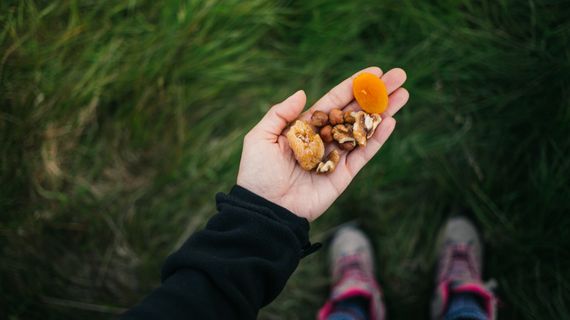
You don't have to cut anything out when losing weight. The key is to be in a calorie deficit and eat mostly vegetables, fruit, quality protein, complex carbohydrates and healthy fats. Ideally, you should limit especially sweetened drinks, highly processed foods and alcohol. It's not because they're forbidden, but because they often provide the least satiety while being very calorie‑dense.
The basic rule of weight loss is a calorie deficit
Body weight decreases when, over the long term, you consume less energy than your body uses. The body gradually draws the missing energy from its reserves. This state is called a calorie or energy deficit.
This principle is how all diets work
All effective weight loss diets work on this principle. A low‑carbohydrate diet limits mainly carbohydrate foods, a low‑fat diet limits the amount of fat and intermittent fasting limits the number of hours or opportunities during which you can eat.
Different approaches may affect hunger, subjective energy levels or food choices differently, but long‑term fat loss only occurs if they reduce energy intake.
The main key is the individual sustainability of the regime for you
Studies generally do not find one universally best diet for everyone and consider the ability to stick to the chosen regime as crucial.
This was well demonstrated, for example, by the DIETFITS study, which included 609 adults with overweight or obesity. For 12 months, participants followed either a well‑designed low‑fat or low‑carbohydrate diet. Both groups lost weight, and there was no statistically significant difference in weight loss between the diets.
Does this mean that the composition of the diet doesn't matter? Definitely not. Some people may prefer a diet lower in carbohydrates, others one lower in fat. The important thing is whether the chosen approach helps you control your energy intake without constant hunger, restrictions and the feeling that you have to fight yourself every day.
What principles will help you stick to weight loss?
Don't choose a diet only by the speed of results
A very strict and restrictive regime may bring rapid weight loss at first. However, if it is based on hunger, unsuitable foods and rules/restrictions that cannot be combined with your normal life, you probably won't stick to it for long. And if you can't maintain the regime, it can't work.
A secondary analysis of the DIETFITS study showed, for example, that the best results were achieved by people who combined a higher‑quality diet composition with good adherence to the set regime.
So don't ask which diet will help you lose weight the fastest. Rather, think about whether you can eat this way in a few months, during a working weekend or during a holiday.
Don't rely only on willpower
A certain amount of hunger is normal during weight loss. But if you spend most of the day thinking about food and regularly lose control over your portions in the evening, the deficit may be too high or your diet may not be filling enough.

Choose foods that increase meal satiety
Satiety is most supported by protein, fibre, sufficient meal volume and foods with higher water content. Reviews of controlled studies show that higher protein intake may slightly improve the feeling of fullness and, in a calorie deficit, help preserve muscle mass. The effect of fibre varies by its type and food source, but in general, fibre‑rich foods can support satiety.
Therefore, try to base each main meal on at least three basic components:
a source of protein
vegetables or fruit
a reasonable portion of a side dish and/or fat
For example, a vegetable salad alone may contain little energy, but without protein and another filling component, it may not satisfy you for long. By adding chicken, eggs, tofu, cheese, legumes or Greek yoghurt, you get a more complete meal.
Get enough sleep
Sleep itself does not burn fat, but lack of it can complicate weight loss. Controlled studies show that sleep restriction can increase energy intake without a corresponding increase in energy expenditure.
In a randomised study with 80 overweight adults who usually slept less than 6.5 hours, extending sleep by about 1.2 hours per day led to a reduction in energy intake by an average of about 270 kcal per day. The result cannot automatically be applied to everyone, but it shows that sleep can influence the amount of food eaten spontaneously.
Adults are generally recommended to sleep at least seven hours regularly, with most younger and middle‑aged adults doing best with about 7–9 hours per day.
Don't forget to stay hydrated
Although water intake does not directly affect weight loss, it can replace calorie‑containing drinks and, for some people, slightly increase the feeling of fullness in the stomach before meals.
In a short‑term experiment in overweight and obese adults, drinking 500 ml of water before breakfast led to about 13% lower energy intake during the following meal.
In another randomised study, obese adults drank 500 ml of water about 30 minutes before main meals. After 12 weeks, they lost about 1.3 kg more than the control group. However, this is more preliminary evidence of a mild benefit, not a weight loss method.
You don't have to drink half a litre of water before every meal. Rather, think about your overall fluid intake throughout the day and get most of your fluids from water, mineral water, unsweetened tea or coffee without a lot of sugar.

Prefer minimally processed foods and limit some UPF
Minimally processed foods, such as potatoes, fruit, vegetables, legumes, eggs, meat or plain yoghurt, often allow you to create larger and more filling meals. Highly processed products, on the other hand, often combine high energy density, a soft or crunchy texture and easy consumption, so you can eat a large amount in a short time.
A significant difference was shown in a controlled study, where 20 participants received either mostly ultra‑processed or unprocessed food for two weeks each. The offered menus were designed to have similar energy, macronutrient, sugar, sodium and fibre content. However, with the ultra‑processed diet, people spontaneously consumed about 500 kcal more per day and gained about 0.9 kg on average in two weeks. With the unprocessed diet, they lost about the same amount.
Is every industrially produced food bad? No. Wholegrain bread, tofu, tinned legumes, frozen vegetables or Greek yoghurt can be a practical part of a quality diet. The point is mainly to limit foods that are easy to overeat and make up a large part of your daily energy intake.
What to eat when losing weight
As mentioned above, you don't have to give up anything in your diet when losing weight. Of course, some foods are better to include more often and in larger amounts, others less often.
- Learn more: How to Eat More Healthy?
Vegetables
Vegetables usually contain a lot of water and relatively little energy. Thanks to them, you can increase the volume of lunch or dinner without significantly increasing their calorie content. The fibre in vegetables can also contribute to satiety, although its effect depends on the specific type of food and the overall composition of the meal.
You don't have to eat only raw salad. Alternate fresh, frozen, cooked and baked vegetables. Pay particular attention to large amounts of oil, dressings or fatty sauces, which can significantly increase the energy value of a vegetable meal.
Examples:
broccoli
spinach
peppers
courgette
tomatoes
cucumber

Image by magnific.com

Fruit
Fruit naturally contains sugars, but that's not a reason to cut it out when losing weight. Whole fruit also provides water and fibre and is usually eaten more slowly than juice or a sweetened drink. As part of a fibre‑rich diet, it can help replace more energy‑dense sweets.
The difference is mainly in the form and amount. You have to chew and eat two oranges, while juice from several pieces of fruit can be drunk in a moment. When losing weight, it is therefore better to choose fruit in its original state, which requires chewing.
Examples:
apples
blueberries
pears
strawberries
grapefruit
oranges
Protein
Protein can slightly increase the feeling of fullness and helps protect muscle mass during weight loss. The final effect still depends on total energy intake and whether you actually stick to the set diet.
It is therefore advisable to include a source of protein in most main meals. It doesn't have to be just meat. You can also get protein from dairy products, eggs, fish, legumes and soya products.
Examples:
chicken breast
eggs
cottage cheese
tuna
tofu
Greek yogurt
Legumes can also be beneficial because they combine protein with fibre. A meta‑analysis of studies found a higher feeling of fullness after eating legumes than after comparison meals, although this effect did not result in lower intake at the next meal.
Complex carbohydrates
Carbohydrates are not a problem when losing weight. Porridge, potatoes, wholegrain bread, buckwheat or rice can be sources of energy and, depending on the specific food, also fibre, vitamins and minerals.
The advantage of wholegrains is mainly their higher fibre content compared to their refined counterparts. Research does not show, however, that simply replacing refined grains with wholegrains without other changes automatically leads to greater weight loss. It still depends on portion size and overall energy balance.
Examples:
porridge
wholegrain bread
potatoes
buckwheat
rice
pasta
Even with quality carbohydrate foods, you can consume more energy than you need. But you don't have to cut them out completely. A reasonable portion of a side dish can help with satiety, provide energy for activity and make the diet more sustainable in the long term.

Healthy fats
Olive oil, nuts, avocado or oily fish can be valuable parts of the diet. However, fats contain a lot of energy in a small volume, so their intake can easily increase, for example, by pouring oil “by eye” or eating several handfuls of nuts.
Still, you don't have to cut out nuts when losing weight. Meta‑analyses of controlled studies have not found that including them in the diet by itself leads to weight gain. However, it is advisable to stick to a reasonable portion, for example, one small handful.
Examples:
avocado
olive oil
walnuts
cashews
almonds
sunflower seeds
chia seeds
salmon

What not to eat when losing weight or what to eat less of
There is no single food that you should never have again when losing weight. An absolute ban is often unnecessary and can create the feeling that you've ruined your diet as soon as you have pizza, a sweet or a glass of wine.
However, the following foods and drinks are worth watching and limiting, as they can significantly increase your energy intake and often don't fill you up as much as a complete meal.
Sweetened drinks
Calories in drinks are easily overlooked. Drinking a fizzy drink usually doesn't provide the same satiety as eating a solid meal with a similar amount of energy. Systematic reviews of prospective studies and randomised interventions confirm that higher intake of sweetened drinks promotes weight gain.
One 330 ml can of Coca‑Cola contains, according to the manufacturer, approximately 139 kcal and 35g of sugar. One can a day thus represents approximately 973 kcal per week if you add it to your usual intake and don't reduce energy elsewhere.
You can limit, for example
sweetened fizzy drinks
energy drinks with sugar
sweetened iced teas
large flavoured coffees
juices in larger amounts
Suitable alternatives are water, mineral water, unsweetened tea or coffee without sugar. Drinks with sweeteners are not a necessary part of the diet, but when replacing sweetened drinks, they can help reduce energy intake.
Highly processed foods
Crisps, biscuits, sweet pastries, sweets or some fast food meals tend to have high energy density and can be eaten very quickly. It's not that one biscuit or hamburger will automatically stop weight loss. The problem arises when such foods make up a large part of the diet and increase total energy intake.
Typical examples are:
crisps and savoury crunchy snacks
biscuits and wafers
sweet pastries
sweets
fried fast food
some frozen pizzas and ready meals
Not all processed foods should be lumped together. Frozen vegetables, plain yoghurt, tinned legumes or wholegrain bread can be practical and nutritionally valuable. Therefore, evaluate the overall composition, satiety, portion size and frequency of consumption.
Alcohol
One gram of pure alcohol provides about 7 kcal. Alcoholic drinks can also contain additional energy from carbohydrates, sugar, juices, syrups or other ingredients.
A standard 175 ml glass of wine can contain about 158 kcal, and a pint of stronger beer up to about 220 kcal. The specific value depends on portion size, alcohol content and residual sugar.
Alcohol can also weaken self‑control, so during the evening we often eat more than we originally planned. More calories are easily added when combined with sweetened drinks, juices or syrups.
What to have for dinner when losing weight
There's no need to be afraid of dinner, and eating after 6 pm is fine. What matters most is total energy intake throughout the day, not whether you ate after six or eight in the evening. A randomised study found, for example, that a meal window from 12 to 8 pm without other changes did not lead to greater weight loss than the usual distribution of three meals.
Meal timing may have a minor effect. A meta‑analysis of randomised studies suggests that earlier distribution of more energy during the day may have a small beneficial effect on weight. However, the effect is relatively small, and for everyday practice, total energy intake and the ability to stick to the regime long‑term remain more important.
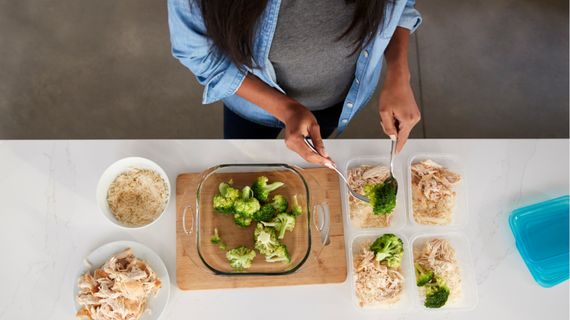
A suitable dinner usually contains a source of protein, vegetables and, depending on hunger, a reasonable portion of a side dish or fat.
Dinner examples:
Chicken breast with vegetables and potatoes – about 400 kcal. For example, 100g cooked chicken, 180g potatoes, 200g vegetables and a teaspoon of oil.
Greek yoghurt with fruit and nuts – about 300 kcal. For example, 200g low‑fat Greek yoghurt, 150g fruit and 15g nuts.
Omelette with spinach and cheese – about 350 kcal. For example, two eggs, vegetables, 30g cheese and a small amount of oil.
Lentil soup with wholegrain bread – about 380 kcal. The final value depends mainly on the amount of oil, sausage used and the size of the bread portion.
The values given are only approximate. The same meal name can have 300 or even 700 kcal depending on portion size, amount of oil, fat content of products and preparation method.
How to put together a filling meal when losing weight
A simple tool can be a plate where about half is vegetables, a quarter is a source of protein and a quarter is a side dish. You can then add a small amount of fat to the meal.
This ratio is not a universal rule and may not suit everyone's needs. Its advantage is that it naturally combines volume, protein and fibre‑rich foods, which can make portion and satiety control easier. The benefit of protein and fibre for appetite control is usually mild and cannot replace a calorie deficit.
For example, instead of a small portion of pasta with a lot of creamy sauce, you can replace part of the sauce with vegetables, add chicken, tofu or lentils and use less oil and cheese. The portion can remain large, but its energy value will be lower.

What to take away from this?
You don't need to look for a list of forbidden or miracle foods when losing weight. Weight loss requires a calorie deficit, and the right food choices can help you manage this deficit with less hunger.
Base your diet on vegetables, fruit, protein, legumes, potatoes and wholegrains. At the same time, pay particular attention to liquid calories, alcohol, portion sizes of fats and the amount of highly processed snacks.
The most important thing is not perfection, but long‑term sustainability. A well‑designed diet is one that allows you to gradually lose weight, function normally and still occasionally enjoy food just for pleasure.
FAQs
What to eat when losing weight?
The basis of your diet should be vegetables, fruit, quality sources of protein, legumes, complex carbohydrates and a reasonable amount of fats. Suitable options include chicken, eggs, cottage cheese, Greek yoghurt, tofu, lentils, potatoes, porridge, wholegrain bread, fruit and various types of vegetables. Protein and fibre can support satiety, but weight loss still requires an overall calorie deficit.
What not to eat when losing weight?
No food has to be absolutely forbidden. However, it pays to limit mainly sweetened drinks, alcohol and highly processed foods such as crisps, biscuits, sweet pastries or calorie‑rich fast food meals. They can contain a lot of energy, and some of them fill you up less than an equally caloric portion of minimally processed food.
What to eat to lose weight?
There are no foods that magically burn body fat. To lose weight, you need to create a calorie deficit. This can be made easier by foods rich in protein, fibre and water, as they can be used to create more filling meals with a reasonable amount of energy.
What to have for dinner when losing weight?
A suitable dinner includes, for example, a source of protein, vegetables and a reasonable portion of a side dish. This could be chicken with potatoes, an omelette with vegetables, Greek yoghurt with fruit or lentil soup with bread. The time of dinner is not the main factor for success. More important is total daily energy intake, although earlier meal timing may have a slight advantage for some people.