-
Deep sleep cannot be improved by a single trick – it tends to improve when you enhance the overall quality and continuity of your sleep (routine, environment and regularity).
-
The most helpful changes are getting more light in the morning and during the day, taking regular physical activity, dimming lights and reducing noise in the evening and limiting caffeine and alcohol, as both can reduce the depth and continuity of sleep.
What is deep sleep?
Deep sleep is the deepest and most "restorative" stage of sleep.
Sleep occurs in cycles (typically ~90–110 minutes), and over the course of a night, there are usually 4–6 cycles. Each cycle alternates between NREM sleep (lighter and deeper stages) and REM sleep (associated with dreaming). In the first part of the night, NREM sleep predominates; later in the night, REM sleep increases.
Deep sleep mainly corresponds to the NREM 3 (N3) stage, sometimes called slow‑wave sleep (SWS), because slow brain waves dominate during this phase.
It typically occurs in the first third of the night – the body prioritises it early on.
When it comes to deep sleep, it’s not just about how long you spend in it, but also about the “strength” of the slow waves (known as slow‑wave activity, or SWA).
Why is deep sleep important?
Deep sleep is associated with the following:
-
The brain and body are harder to wake (it has the highest arousal threshold).
-
Many restorative processes take place – including tissue repair, growth processes and immune function.
-
It plays an important role in memory and learning. After learning something new, NREM sleep (including slow‑wave sleep) helps consolidate information into longer‑term memory.
Moreover, there is data that a reduction in slow‑wave sleep in midlife may be linked to poorer long‑term memory storage.
How long should deep sleep last?
In healthy adults, N3 (deep sleep) typically makes up about 10–25% of total sleep time (in children, it is higher and decreases with age).
If you sleep for 7.5 hours, 10–25% equates to roughly 45–110 minutes of deep sleep. However, this varies considerably between individuals and can fluctuate from night to night.
Be cautious of smartwatch measurements
Most common smartwatches can estimate reasonably well whether you’re asleep or awake and tend to give a fairly accurate idea of total sleep duration. However, the individual sleep stages are often less reliable. So if your watch shows “little deep sleep”, it doesn’t automatically mean there’s a problem.
Is there such a thing as too much deep sleep?
In practice, people are more often concerned about too little deep sleep. However, having more deep sleep can simply be a normal “rebound” effect – for example, after building up a sleep debt. Deep sleep is closely linked to homeostatic sleep pressure: the longer you’ve been awake, the greater the pressure to sleep and the more intense deep sleep tends to be at the beginning of the night.
If someone regularly sleeps for a long time (for example, 9–10+ hours) but still feels unrefreshed, falls asleep during the day or has significant symptoms (such as loud snoring with pauses in breathing or frequent morning headaches), it’s advisable to speak to a GP to explore possible causes.
Why might I not be getting much deep sleep?
If you feel that deep sleep (slow‑wave sleep) is missing or reduced, it’s usually not down to a single cause but a combination of factors. As mentioned, deep sleep is strongly associated with homeostatic sleep pressure: the longer you are awake, the greater the pressure – and the more intense slow‑wave activity tends to be at the start of the night.
That’s why deep sleep is typically concentrated in the first sleep cycles and naturally decreases as the night goes on.
Ageing and frequent micro‑awakenings
One of the most common reasons for reduced deep sleep is age. As we get older, sleep naturally becomes more “fragile” – brief awakenings during the night become more frequent, sleep is more fragmented and the overall proportion of deep sleep typically declines.
Similarly, micro‑awakeningscan have a similar effect regardless of age. If sleep is repeatedly interrupted, the body finds it harder to reach and maintain its deepest stages. A common example is sleep apnoea, where small (often unnoticed) arousals repeatedly disrupt the night.
Your circadian rhythm is disrupted
The circadian rhythm also plays a significant role. If you go to bed and wake up at different times each day, or are exposed to bright light in the evening, your body may struggle to settle into stable, restorative sleep. Even with a consistent routine, entirely ordinary factors such as night‑time noise or light in the bedroom can shorten deep sleep by increasing the likelihood of minor awakenings and lighter sleep.

How to improve deep sleep (and sleep in general)
Deep sleep (particularly NREM stage N3) can’t be improved with a single trick. It usually improves alongside overall sleep quality. In practice, you increase its likelihood of deep sleep by optimising the two main sleep regulatory systems: the circadian rhythm and homeostatic sleep pressure.
1. Supporting your circadian rhythm
Get morning light
The aim is to stabilise your internal “body clock” so that sleepiness arrives at the right time in the evening. Ideally, within 60 minutes of waking, expose yourself to natural daylight for 10–30 minutes (preferably outdoors).
Get plenty of daylight during the day
A stronger “daytime signal” helps create a clearer contrast between day and night, which supports better sleep quality. Try to build in regular exposure to daylight – for example, a short walk, working near a window or stepping outside during a break.
Dim the lights in the evening
It’s not only about blue light – overall light intensity matters too. In the last 1–2 hours before bed, dim the lights and limit strong light sources such as screens, televisions and bright ceiling lights.
Keep regular sleep and wake times
Consistency is key for your biological clock. Aim to go to bed and wake up at roughly the same time each day – including weekends (within reason).
2. Maximising homeostatic sleep pressure before falling asleep
The longer you’re awake, the more your body builds up a natural “need” for sleep (homeostatic sleep pressure). During sleep, this pressure gradually reduces. That’s why deep sleep is usually most pronounced in the first part of the night, when sleep pressure is highest.
Keep a fixed wake‑up time
A stable wake‑up time helps sleep pressure build naturally throughout the day, allowing sleepiness to arrive at the right time in the evening. By contrast, long periods of lying in bed awake (especially in the morning) can fragment sleep and reduce its continuity.
Be mindful of long or late naps
Long afternoon naps – or naps taken later in the day – can reduce sleep pressure. The result may be difficulty falling asleep at night or lighter, more fragmented sleep.
Use the bed only for sleep
Try to use your bed primarily for sleeping. If you can’t fall asleep or find yourself lying awake for a long time, it’s not ideal to simply stay there trying to force sleep. Instead, get up for a short while, do something calm in dim lighting and return to bed once you feel sleepy again.
3. Regular physical activity
Exercise is one of the most important habits for long‑term healthy sleep. Moderate‑intensity aerobic activity – such as brisk walking, steady jogging, cycling or swimming – can increase total sleep time and may also raise the proportion of deep sleep (slow‑wave sleep).
Exercise also often reduces stress, which can improve both falling asleep and staying asleep (with fewer night‑time awakenings). Some research suggests that exercise mayalso support melatonin production – the hormone that helps regulate when your body feels ready for sleep – thereby reinforcing a stable sleep–wake rhythm.

4. Limit caffeine
Caffeine works by blocking adenosine receptors. Adenosine is a chemical that builds up during the day and creates the feeling of sleepiness. When caffeine blocks its action, you may feel alert even though your body is tired.
Even 400mg of caffeine (roughly 3–4 strong coffees) consumed up to 6 hours before bed can significantly worsen sleep quality.
-
And even 200mg of caffeine taken in the evening can shift your melatonin rhythm (the sleep hormone) by up to about 40 minutes.
So even if you feel you can “sleep fine” after coffee, your sleep may actually be lighter, more fragmented and less restorative.
If you want to improve your sleep, it’s best to keep coffee and other sources of caffeine mainly to the morning and be cautious with them later in the day.
5. Skip alcohol
Alcohol can feel sedating, but from a sleep‑quality perspective, it's often a bad idea.
At the start of the night, alcohol may help you fall asleep more quickly and can sometimes increase deep sleep in the first part of the night.
Later in the night, however, sleep typically becomes less stable – you wake up more often, sleep is lighter and "breaks up" into segments. As a result, you might wake feeling less refreshed – even if you were in bed for long enough.
Over the long term, regular alcohol consumption is associated with a reduced overall proportion of deep sleep.
Meditation and deep sleep
Meditation isn’t a reliable “hack” that will directly increase the amount of deep sleep (N3) for everyone. The best‑supported benefit is indirect: meditation helps calm the nervous system, reduces stress and rumination and makes it easier to fall asleep and stay asleep. When sleep is less fragmented, the body has a better opportunity to reach and maintain deeper stages.
Interestingly, in long‑term meditators (for example, those practising vipassana), some polysomnographystudies describe a higher proportion of deep sleep than in control groups, but these are mainly observational data (so causality cannot be proven). For the yoga nidra technique, there are also results suggesting improved sleep and increased "delta" activity in deep sleep.
Relaxing music and deep sleep
Relaxing music isn’t a guaranteed way to increase deep sleep either. Like meditation, it works mainly indirectly: it helps calm the nervous system, reduce tension and ease the transition into sleep. Scientific reviews suggest that while subjective sleep quality often improves with music, objective changes in sleep stages (including deep sleep) are less consistent and highly individual.
From objective (PSG – sleep stage measurement) studies, it appears that the effect can be noticeable, but only sometimes and for some people. In young adults, sedative music prolonged deep sleep mainly in those who usually take longer to fall asleep. For daytime sleep (naps), relaxing music increased slow‑wave sleep (deep sleep) only in some participants (e.g., depending on suggestibility). On the other hand, there are also studies where music did not increase slow‑wave sleep or other key sleep parameters compared to control.
If music helps you, try listening to 20–45 minutes of calm, slow instrumental music before bed at a low volume. Think of it as part of a relaxing evening routine rather than a guaranteed way to boost deep sleep.
Food supplements for better sleep quality
Most supplements won’t work miracles without good sleep hygiene in place. At best, they’re the proverbial cherry on top — supportive rather than transformative.
Melatonin
Melatonin acts primarily as a signal of darkness. It helps the body recognise that it’s time to sleep and supports the circadian rhythm. That’s why people often report sleeping better after taking melatonin. However, objective changes in sleep stages are less consistent and tend to vary between individuals.
Research shows melatonin is most useful when the main issue is a disrupted body clock — for example, jet lag or shift work. In these cases, correct timing is crucial, and melatonin can help “reset” the rhythm.
Melatonin isn’t strongly dose‑dependent. Doses ranging from 300mcg up to 5mg can be effective. It’s generally recommended to start with a lower dose and adjust cautiously to see what works for you.
Magnesium
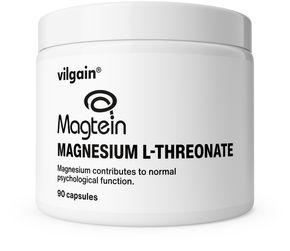
Magnesium may be helpful, particularly for people with low dietary intake, higher stress levels or muscle tension. Scientific reviews suggest magnesium can shorten the time it takes to fall asleep in some people. However, overall effects tend to be mild, and study findings are not entirely consistent.
Clinical studies in older adults with insomnia have shown that magnesium supplementation improved sleep efficiency, increased total sleep time and reduced sleep onset latency. However, other RCTs report only small or uncertain effects — often influenced by a strong placebo response. Interestingly, there are also smaller studies with EEG‑based studies that have found that magnesium increased markers of deeper NREM sleep (for example, greater slow‑wave activity), but these studies involved relatively small sample sizes.
The ideal forms are magnesium in the form of citrate or bisglycinate. Citrate has the best absorption, but there is a small risk of digestive issues. Bisglycinate also has good absorption and minimal risk of digestive issues.
Chamomile tea
Reviews and clinical studies suggest chamomile may improve subjective sleep quality in some people, although objective measures (such as total sleep duration) are less consistently affected.
In randomised studies, chamomile was tested as an extract in capsules and as tea. In seniors, after several weeks, better PSQI (sleep quality) was found compared to placebo, while in people with primary insomnia, the effect was milder and data were limited (pilot character). In women after childbirth, chamomile tea temporarily improved some aspects of sleep, but the effect may not persist after discontinuation.
If chamomile suits you, try it as part of your evening routine. A cup of chamomile tea 30–60 minutes before bed, or a standardised extract according to study dosages.
Ashwagandha
The best‑documented benefit of ashwagandha is its positive effect on stress and anxiety, which can indirectly support better sleep quality. In clinical studies, improvements are most often seen in subjective sleep quality. In some individuals, there are also improvements in measures such as reduced time to fall asleep and improved sleep efficiency. However, the overall effect tends to be small to moderate and is not universal.

What to take away from this?
Deep sleep is a crucial part of the night, during which the body carries out many restorative processes, and the brain consolidates new information into long‑term memory. In practice, you rarely improve deep sleep in isolation. It usually increases alongside overall sleep quality and continuity. The biggest difference typically comes from managing light exposure (more in the morning and daytime, less in the evening), reducing disruptive factors in the bedroom (noise and light), engaging in regular physical activity and limiting alcohol and caffeine. Even if you can fall asleep after alcohol or caffeine, sleep is often lighter, more fragmented and less refreshing.
FAQs
Is dreaming a sign of deep sleep?
No. The most vivid dreams are typically associated with REM sleep. Dreaming can also occur during NREM sleep (including deeper stages), so the presence of dreams alone doesn’t mean you were in deep sleep.
How should you wake someone from deep sleep?
Ideally, gently and gradually. Say their name, lightly touch their shoulder or switch on a dim light. After waking from deeper NREM sleep, pronounced grogginess (known as sleep inertia) is common. The person may seem confused or respond more slowly for a few minutes.
Does snoring mean deep sleep?
No. Snoring itself is not a reliable sign of deep sleep. It can occur in various sleep stages and, importantly, may indicate a breathing issue during sleep. While some studies suggest that isolated snoring can occur during deeper stages, you can’t determine sleep quality or depth based on snoring alone.