
-
Muscle loss is mainly due to age, inactivity, improper weight loss and low protein intake – ageing is inevitable, but the rate of muscle mass loss is not.
-
The most effective “remedy” for muscle loss is a combination of strength training 2–3× per week, sufficient quality protein (approx. 1,2–1,6 g/kg), a reasonable caloric deficit during weight loss, daily physical activity and good sleep.
Why is muscle mass key for health and not just appearance?
When people hear muscles, many picture bodybuilders, gyms and “abs for the beach.” But from a health perspective, something else is much more important: how much muscle mass and strength you have available for everyday life – getting up from a chair, climbing stairs, lifting groceries, catching your balance if you slip.
With age, there is a gradual loss of muscle mass and strength. The condition where muscle loss exceeds a certain threshold and begins to significantly limit function – mobility, independence and stability – is called sarcopenia. In older people, the prevalence of sarcopenia is estimated to be about 5–10%, and the process often takes decades before it becomes fully apparent.
Current research shows that:
-
Sarcopenia does not appear “out of nowhere” at age 70, but is a slow, lifelong deterioration of muscle function. It is usually clinically recognisable only in the 6th–7th decade of life, but the biological process starts much earlier.
-
Age‑related muscle atrophy is the most common type of muscle atrophy in humans and is associated with slowed movement, muscle weakness and a higher risk of falls and fractures. This often leads to premature death.
Muscles as a unit of functional and healthy ageing
Muscles serve several essential roles:
-
Mechanical function: enable movement, posture and quick reaction to loss of balance. Loss of strength and contraction speed precedes the actual decrease in muscle volume – a person feels “weaker” before it becomes visible.
-
Metabolic function: skeletal muscle is a huge metabolically active organ – it significantly affects insulin sensitivity, glucose and fat utilisation and energy expenditure.
-
Reserve during stress and illness: during stress, infection or injury, muscles act as a “metabolic reservoir” of amino acids for the immune system and healing.
Why muscle mass is more of a concern today than before
We have a combination of several trends:
-
Ageing population: we are living longer, but “healthy years” (without significant functional limitation) are not increasing as quickly. Muscle weakness and loss of mobility are among the main reasons why quality of life declines in old age.
-
Sedentary lifestyle: long hours sitting in offices, little walking, minimal truly strenuous activities (lifting, carrying, bodyweight work). If muscles are “unused” for a long time, the body starts to conserve them – they gradually decrease.
-
Frequent weight loss diets and yo‑yo effects: people who are overweight/obese often lose and regain weight repeatedly. Each cycle is often associated not only with fat loss but also with fat‑free mass, including muscle.

Image by freepik.com

How muscles work: the balance between growth and breakdown
Muscle is not an inactive “piece of meat,” but a constantly renewing tissue. Every day, two basic processes take place in it:
-
muscle protein synthesis – building new proteins
-
muscle protein breakdown – breaking down old or damaged proteins
The outcome is determined by long‑term balance:
-
if muscle synthesis > breakdown, the muscle grows or at least maintains itself
-
if breakdown > synthesis, there is a loss of muscle mass and strength
In healthy, active individuals, these processes naturally alternate throughout the day:
-
after meals (especially with enough protein), synthesis increases, and breakdown is suppressed
-
between meals and at night, a slightly catabolic state prevails
As summarised by review articles on disuse atrophy (atrophy caused by inactivity) and injured athletes, positive muscle balance is typically achieved in the post‑meal period, when protein intake increases muscle synthesis and slightly reduces breakdown.
The worst is prolonged injury or illness leading to immobilisation
During immobilisation (cast, immobilisation, long bed rest), this delicate balance is quickly disrupted. Data from immobilisation studies show:
-
even after a few days of inactivity, there is a measurable decrease in muscle mass and strength
-
the main cause is decreased muscle protein synthesis and the development of so‑called anabolic resistance – the muscle responds less to protein intake
For longer periods (≥ 2 weeks) of inactivity, decreased synthesis is considered the main driver of muscle loss, although in the first days, increased breakdown may also contribute significantly.
Main reasons for muscle loss
Ageing and sarcopenia
With increasing age, skeletal muscles change in virtually everyone. Expert reviews describe age‑related muscle atrophy as the most common type of muscle atrophy in humans. It is associated with slowed movement, muscle weakness and a higher risk of falls and injuries.
Key points:
-
the process progresses slowly, but lifelong functional loss measurably appears even in otherwise healthy, well‑nourished and active people, just at different rates
-
consistent and noticeable muscle mass loss begins, according to newer reviews, already around age 40, although, subjectively, we often notice it much later,
-
it’s not just a reduction in muscle mass, but also changes in the neuromuscular system, such as fewer motor neurons, reduced number and size of muscle fibres and impaired reinnervation
The structure of the muscle also changes qualitatively:
-
the proportion of connective and fat tissue within the muscle increases, elasticity worsens and fibrotic changes occur
-
all this complicates muscle fibre regeneration and likely contributes to the fact that older muscle adapts less to stress
In practice, this means that:
-
the same daily activities (getting up from a chair, stairs, carrying groceries) require a higher percentage of maximum strength
-
once a person is “on the edge” – i.e., barely able to get up without support – a small further drop in strength can quickly break independence (transition from self‑sufficiency to dependence on help)

Image by freepik.com

What helps
We cannot stop ageing, but we can slow the rate of muscle loss:
-
Strength training 2–3× per week
-
lower body exercises (getting up from a chair, supported squats, leg press),
-
upper body exercises (presses, pulls, basic back and shoulder exercises),
-
focus on an adequate range of motion and technique (ideally under the supervision of a physio/trainer).
-
-
Higher protein intake
-
often 1.2–1.4 g/kg/day, depending on health status
-
each meal should have at least 25–30g protein
-
-
Daily movement
-
walking, stairs, light housework – the goal is not to spend the whole day in a chair, even if it’s just short but frequent “mini walks”
-

Physical inactivity, bed rest and immobilisation
The second major “killer” of muscles is not using them. Skeletal muscle is highly dependent on load – if we don’t regularly stress it, the body starts to break it down as a metabolically “expensive” tissue.
Studies with complete or partial inactivity (bedrest, cast, limb immobilisation) show that:
-
during the first week of complete inactivity, muscle mass can decrease by about 3–5%,
-
in an immobilised limb, the greatest loss occurs during the first 1–2 weeks, precisely when “nothing is being done” because the focus is on healing and pain
-
the main mechanism is a sharp drop in basal muscle protein synthesis and the development of anabolic resistance – the muscle responds less to dietary protein.
Example: A healthy person breaks a leg and has it in a cast for 3–4 weeks. In that time, they can objectively lose several percent of volume and a significant portion of strength in that limb. If muscle mass is not regained afterwards, sarcopenia progression may accelerate.
Inactivity doesn’t have to mean a cast or hospital:
-
long hours sitting in the office or at home
-
driving instead of walking
-
minimal physical activities where the muscle has to overcome higher resistance (lifting something heavier than a laptop)
In older people, the situation is worsened by repeated hospitalisations and episodes when illness keeps them in bed for several days. These “micro‑episodes” gradually add up and accelerate sarcopenia progression.
What helps
Before injury/surgery
-
be in the best possible “starting” condition (muscle reserve)
-
for planned procedures (e.g., orthopaedics), “prehabilitation” – preoperative strengthening – is sometimes discussed
During immobilisation
-
do not unnecessarily reduce protein intake – rather aim for 1.3–1.6 g/kg/day
-
do not reduce energy intake; during healing, calorie needs are increased
-
exercise everything that can be exercised: healthy limbs, trunk, breathing exercises and light isometrics
After immobilisation
-
start rehabilitation and controlled loading as soon as possible – first range of motion, then strength and function
-
for some patients, neuromuscular electrical stimulation (EMS) or other “exercise mimetics” may be appropriate, but always as a supplement, not a replacement
In everyday life outside of injuries
-
minimise long periods of sitting – stand up every 30–60 minutes, walk around, rise up on your toes a few times, do a few squats
-
build “automatic habits” (stairs instead of elevator, walk short distances)
No time for a workout? Try exercise snacking.

Weight loss and reduction diets
The third key factor is weight loss – especially in people who are overweight or obese, where weight reduction is clearly desirable to lower cardiometabolic risk. The problem is not weight loss itself, but how it is set up.
A review paper on muscle preservation during weight loss summarises that:
-
diet‑induced weight loss (hypocaloric diet) almost always reduces both fat and fat‑free mass
-
in overweight/obese individuals, fat‑free mass typically makes up about 20–30% of total weight loss
-
an 8–10% reduction in body weight usually leads to a 2–10% decrease in muscle mass
What helps
-
Adequate caloric deficit – not detoxes or other “fad diets”
-
aim for about 0.5–1% of body weight per week
-
in practice, about −15 to −25% energy below maintenance intake
-
In obese individuals, with a properly set plan, it is possible to lose weight safely even faster. Without a specialist (such as a nutrition therapist), however, this is not recommended.
-
-
Higher protein intake during weight loss
-
1.2–1.6 g/kg/day, depending on health status and other factors such as physical activity or body fat percentage
-
maintain protein intake even on “bad days”
-
-
Strength training as a priority
-
2–3× per week, whole body, basic exercises
-
the goal is not to “burn as many calories as possible,” but to support muscle fibre synthesis
-
-
Include as many endurance activities as possible
-
brisk walking, cycling, swimming – for fitness, heart health and higher energy expenditure.
-
Low protein and energy intake
It’s not just about weight loss. Long‑term low protein and energy intake is a problem even for people who are not intentionally losing weight – typically older adults, who have reduced appetite, or chronically ill individuals.
Studies show that:
-
even at energy balance or surplus, protein intake below the commonly recommended dose (RDA 0.8 g/kg/day) leads to a gradual loss of fat‑free and muscle mass (approx. 0.2–0.5% per week)
-
during negative energy balance (weight loss), low protein intake further worsens the loss of fat‑free mass
Added to this is the phenomenon of anabolic resistance:
-
older, obese, or inactive muscle responds less to a “standard” portion of protein
-
to stimulate synthesis, a higher dose of quality protein per serving is often needed (in practice, about 25–30g for younger adults and 30–40g for older adults – specific numbers vary between studies)
What helps
-
Calculate your approximate protein intake
-
for most non‑athletic adults, it pays to aim for at least 1.0–1.2 g/kg/day
-
for weight loss/seniors, this is often higher (see above)
-
-
First and foremost, aim for enough protein throughout the day
-
ideally every main meal should contain 20–30g of protein (for older adults, closer to 25–35g)
-
-
Prioritise quality protein sources
-
lean meat, fish, eggs, dairy, legumes, tofu, tempeh
-
combine plant sources smartly and possibly slightly increase the total dose
-
-
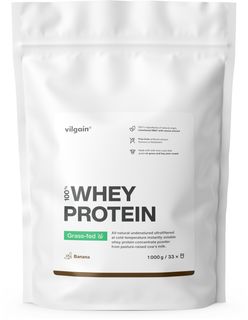
Add a protein shake as needed
Other risk factors
Besides ageing, inactivity and poorly structured weight loss, other factors also play a role, which often “just” worsen the existing burden:
-
Chronic inflammation and certain diseases
-
obesity, type 2 diabetes, some rheumatological and cancer diseases are associated with chronic low‑grade inflammation and altered hormonal regulation, which contribute to anabolic resistance and muscle catabolism
-
reviews on mechanisms of muscle loss emphasise that the combination of inflammatory mediators, insulin resistance and reduced physical activity leads to faster muscle loss in many disease states
-
-
Medications
-
e.g., glucocorticoids (corticosteroids) in higher doses and long‑term promote muscle mass breakdown
-
some other medications may indirectly worsen appetite, increase fatigue or impair mobility
-
-
Lifestyle
-
excessive alcohol consumption worsens nutrient intake and utilisation and contributes to myopathy and liver damage
-
lack of sleep and chronic stress through hormonal changes (higher cortisol, worse insulin sensitivity) shift the balance more toward catabolism
-
These factors alone may not cause massive muscle atrophy, but in combination with age, low physical activity and insufficient protein intake, they form a fairly strong cocktail that accelerates the loss of muscle mass and function.