- Postbiotics are not live bacteria, but their “products”
- Each type of postbiotic acts differently.
- Research is still in its early stages, but initial results are promising.
Why are people talking about postbiotics?
In recent years, there has been increasing discussion about gut health, the microbiome and their impact on overall wellbeing. It’s no wonder—our intestines contain trillions of microorganisms that influence our immunity, digestion, mood and body weight. In this context, interest is growing in so‑called “biotics”—substances that support a healthy gut environment. While you may have already heard of probiotics (live bacteria) and prebiotics (their food), postbiotics are now coming to the forefront—substances that are not “alive” but can still offer significant health benefits.
The importance of postbiotics is rising not only in the scientific world but also among everyday consumers. They provide new options for those who cannot—or prefer not to—take live bacteria (e.g., people with weakened immune systems), yet still want to support their health in a natural and safe way.
What are postbiotics?
Postbiotics represent a new generation of substances linked to the gut microbiome. While probiotics are live microorganisms, postbiotics are inactivated (killed) cells, cell fragments or substances produced by bacteria during their growth.
- Postbiotics are not alive, which means they cannot grow, multiply or cause infection.
- They must be beneficial to health—for a substance to be considered a postbiotic, the mere presence of dead bacteria or their parts is not enough.
What is the difference between all the biotics?
- Probiotics are live microorganisms—such as lactic acid bacteria (Lactobacillus, Bifidobacterium). When taken in sufficient amounts (and with the correct species and strain), they can provide health benefits such as supporting immunity, improving digestion and preventing diarrhoea. Their disadvantage is lower stability—they must survive storage, passage through the digestive tract and are unsuitable for some at‑risk groups (e.g., people with weakened immunity).
- Prebiotics are not bacteria, but fibres or other substances that serve as “food” for beneficial microorganisms in our bodies. They support the growth and activity of our own “good” gut bacteria.
- Synbiotics are a combination of probiotics and prebiotics. The aim is to unite the benefits of both—introducing beneficial microorganisms while supplying them with nutrients needed to thrive and function effectively in the body.
- Postbiotics are non‑living—that is, inactivated—microorganisms or their parts (such as cell walls or metabolites), which can still positively affect health.Unlike probiotics, they cannot grow or multiply, but they can still act on the immune system, intestinal mucosa or other vital functions within the body.
What are the advantages of postbiotics compared to probiotics?
- Stability and logistics: Because their effectiveness does not depend on cell viability, postbiotics can be combined with antibiotics and are far more stable during storage and transport. Often, room temperature is sufficient, which extends their shelf life and makes dosage standardisation easier.
- Safety in sensitive populations: Unlike live cultures, postbiotics pose no risk of growth or translocation across the intestinal barrier, nor of gene transfer of antibiotic resistance. This makes them particularly suitable for immunocompromised individuals, infants or hospitalised patients.
- Economy and industry: Bioactive metabolites (e.g., biosurfactants, bacteriocins, exopolysaccharides) can be produced in a controlled and efficient way, supporting applications across both the food and pharmaceutical industries.
Types of postbiotics and how they are produced
Postbiotics include a diverse range of biologically active components that arise during the processing or natural breakdown of microorganisms. Simply put, they are what remain—and can still have a positive effect—even after the microorganisms themselves are no longer alive.
How are postbiotics produced?
Postbiotics are most commonly obtained from bacteria or yeasts that have been inactivated in various ways:
- Thermally (through heating or pasteurisation)
- Chemically (using solvents or enzymes)
- Mechanically (via ultrasound or high pressure)
During inactivation, the cells break down and release their internal structures. What’s important, however, is that the resulting mixture contains substances that may have a beneficial biological effect.
What can be considered a postbiotic?
Postbiotics can include:
- Whole killed microorganisms: bacteria or yeasts that are no longer alive but whose presence can still influence immune response or the gut environment.
- Cell components: e.g., peptidoglycan (from cell walls), lipoteichoic acids, teichoic acids or DNA fragments.
- Metabolites: substances produced by microorganisms during their lifetime, for example:
- short‑chain fatty acids (SCFA) such as butyric acid
- bacteriocins (antimicrobial substances)
- exopolysaccharides (which can support gut mucosa and immunity)
- biosurfactants and vitamins (e.g., B‑complex, vitamin K)
How are postbiotics classified?
Postbiotics can be classified according to:
- Origin of microorganisms: most commonly lactic acid bacteria (Lactobacillus, Bifidobacterium), though yeasts (e.g., Saccharomyces) or other species are also used.
- Method of inactivation: the processing method can influence the efficacy of the resulting postbiotic.
- Application: some postbiotics are used in dietary supplements, while others feature in cosmetics, pharmaceuticals or food production.
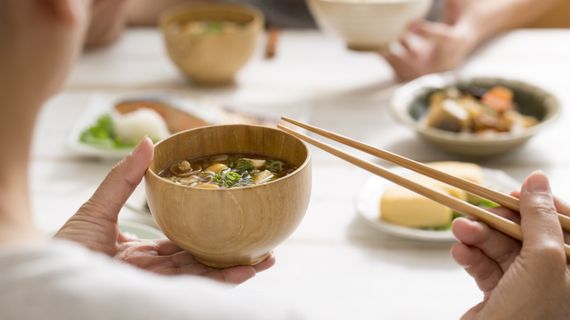
Interestingly, postbiotic components can also occur naturally in some fermented foods—such as kefir, kimchi, miso or sauerkraut—especially when these foods have been heat‑treated or stored for extended periods.

How do postbiotics work? Potential mechanisms of action
Scientists are still working to determine exactly how postbiotics act within the human body. Research in this field is relatively new, and although there are some promising findings, not all mechanisms have been confirmed or are fully understood.
Much of the current knowledge comes from laboratory or animal studies, and only for certain types of postbiotics do we yet have high‑quality clinical data.This means that the effects described below are considered potential—that is, possible, but not yet definitively proven for all types of postbiotics.
1. Supportingthe immune system
Postbiotics can influence our immune system—sometimes stimulating it, and at other times, calming it. Some substances contained in postbiotics (e.g., bacterial cell wall fragments) can:
- activate the body’s defence cells
- support the production of antibodies on mucous membranes (e.g., in the respiratory tract or intestines)
- help balance pro‑inflammatory and anti‑inflammatory substances in the body
2. Protecting of the intestinal barrier
The intestinal mucosa acts as a “gatekeeper”, ideally allowing only beneficial substances into the body while preventing the entry of harmful ones. Postbiotics can:
- strengthen the structure of the mucosal barrier
- support the renewal and growth of new intestinal cells
- reduce excessive intestinal permeability (sometimes referred to as "leaky gut")
3. Natural antimicrobial effect
Some substances in postbiotics have the ability tolimit the growth of harmful bacteria. This happens, for example, by:
- lowering the intestinal pH (e.g., through lactic acid production)
- producing bacteriocins —substances similar to natural antibiotics
- preventing pathogens from adhering to the mucosa and multiplying
4. Indirect influence on the gut microbiome
Although postbiotics do not contain live microorganisms, they can still influence the composition of the gut microbiota. For example:
- they support the growth of beneficial species by creating a more suitable environment (e.g., lowering pH)
- limit the growth of pathogenic bacteria
- provide substances that serve as nutrition for friendly microbes
5. Communication between the gut and the body
Some postbiotic components can “communicate” with our body’s cells by interacting with receptors in the mucosal or immune system. Through these interactions, they can influence:
- gene expression and activity
- hormonal signalling
- the connection between the gut and the brain (known as the gut–brain axis)
Clinical benefits of postbiotics
As already mentioned, postbiotics are a broad and diverse group of substances. They can differ in the microorganism from which they originate, their processing method and the specific components they contain. These differences fundamentally influence their effects.
It’s important to realise that not every postbiotic works the same way—and that the effect cannot be generalised to all products labelled as “postbiotic.” In other words, if postbiotic A was effective against diarrhoea, it does not mean that postbiotic B will have the same effect.
This can be well illustrated with the example of vitamins. Everyone understands that vitamin C has different effects than vitamin D. No one would say “vitamins support immune function” without specifying which vitamin has what effect. We should approach postbiotics similarly—each has distinct properties and targeted actions, so it’s essential to look for those whose effects have been verified by specific studies.
Irritable Bowel Syndrome (IBS)
Heat‑inactivated Bifidobacterium bifidum MIMBb75:
- In a randomised study, this strain was shown to reduce symptoms associated with irritable bowel syndrome (IBS), such as abdominal pain and feelings of discomfort or bloating.
Diarrhoea in children and adults
Heat‑inactivated Lactobacillus acidophilus LB:
- May reduce stool frequency and overall discomfort more than the compared treatment.
Heat‑inactivated L. paracasei CBA L74:
- In a study of children in nurseries, fermented milk containing postbiotics reduced the incidence of some common infections (e.g., gastroenteritis, respiratory infections).
Support in the treatment of Helicobacter pylori infection
- Adding inactivated L. acidophilus LB to the standard triple antibiotic therapy increased treatment success from 72% to 87%.
Respiratory infections and lung diseases
Bacterial lysates (e.g., OM‑85, commercially as Broncho‑Vaxom®):
- Reduced the incidence and duration of respiratory infections in both children and adults
Stress, sleep and mental health
Heat‑inactivated Lactobacillus gasseri CP2305:
- In university students, this strain led to a reduction in chromogranin A (a marker of stress), reduced anxiety and improved sleep quality.
Bottom line
Postbiotics offer a promising new tool for supporting health—from immunity and digestion to mental wellbeing. However, they are not a miracle supplement. Their effects depend primarily on the specific type and strain used. If you’re considering postbiotics, look for products with a clearly defined composition and clinically proven effects.