Green Tea
Quality Green Tea
Green tea is crafted from the leaves of the Camellia sinensis plant. Unlike black tea, green tea is not fermented and is heat‑treated soon after harvest—Chinese teas are typically pan‑dried, while Japanese teas are steamed. This difference in processing affects the taste, with Japanese teas offering a sweeter, earthier profile. Green tea is a popular stimulant and antioxidant. Due to its EGCG content, which stimulates metabolism, it’s also a favoured addition for weight management.
A unique variety of green tea is matcha, which is ground into a fine powder and has a higher chlorophyll content.
Quality green tea can be brewed multiple times, with each infusion often increasing in water temperature or steeping time. The ideal water temperature and steeping time vary by tea. Some of the most popular green teas include:
- Gyokuro: Like matcha, gyokuro is shaded before harvesting, which increases its chlorophyll and caffeine content, placing it among the highest quality teas.
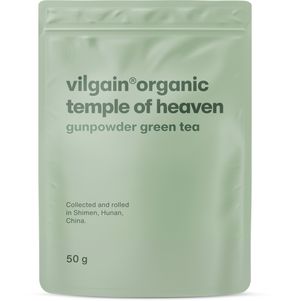
- Gunpowder: Originally from Taiwan, this tea is globally popular. Try our Organic Gunpowder, sourced from China, with its characteristic mild bitterness.
- Sencha: One of Japan’s most popular green teas, made from young, tender leaves. Sencha can be enjoyed hot or cold.
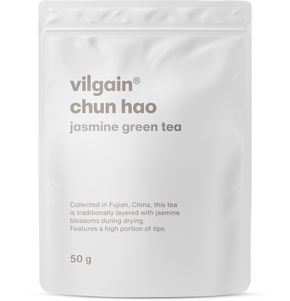
You’ll also find jasmine tea, made by blending green tea with jasmine blossoms, and the semi‑green tea Oolong, whose secret lies in partial fermentation.