- Antinutrients are not harmful poisons, but naturally occurring compounds found in plant foods. They can slightly affect the absorption of certain nutrients, particularly when foods are poorly prepared or consumed as part of a limited, repetitive diet.
- With appropriate preparation methods — such as cooking, soaking and fermentation — and when combined with suitable nutrients (for example, vitamin C), their impact is minimal.
- In fact, many antinutrients may offer health benefits. They can act as antioxidants, support anti‑inflammatory processes and may even help reduce the risk of certain diseases.
What are antinutritional substances, and where can they be found?
When discussing healthy eating, plant‑based foods such as legumes, whole grains, nuts, vegetables and fruits are often encouraged. These foods are rich in vitamins, minerals and fibre, but they also contain so‑called antinutrients. It is largely because of these compounds that plant‑based diets sometimes raise concerns.
Antinutrients are naturally occurring substances in plants that can reduce the absorption of certain nutrients in the body. In plants, they serve as a defence mechanism, helping to protect against pests, pathogens and overconsumption by animals. In humans, depending on the amount consumed and the overall composition of the diet, they may influence the bioavailability of nutrients — particularly minerals, and to a lesser extent, protein.
The most common types of antinutrients include:
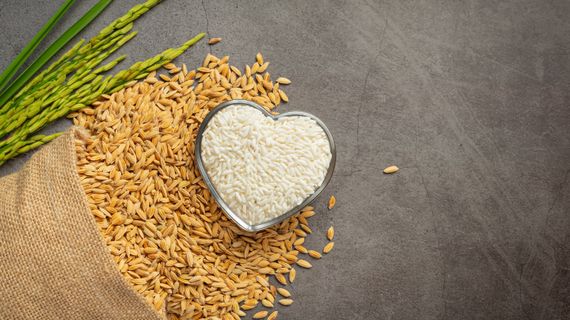
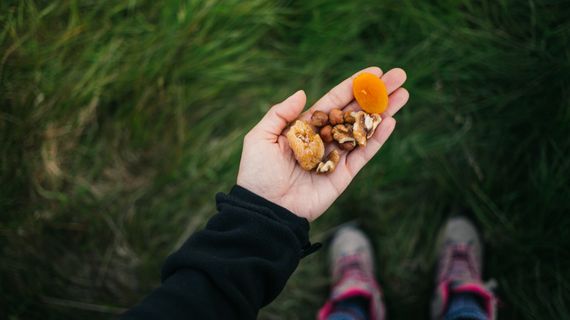
Phytates—found in seeds, legumes, whole grains and nuts.
Tannins—found in tea, wine, cocoa beans, berries and nuts.
Lectins—present especially in raw legumes, some grains and seeds.
Oxalates—found in spinach, rhubarb, beetroot and buckwheat.
Goitrogens—naturally present in cruciferous vegetables like kale, broccoli and cauliflower.
Saponins—typical for soy, chickpeas and other legumes.
Enzyme inhibitors—protease inhibitors in soy and certain types of beans.
Although the term “antinutrient” may sound negative, the reality is more nuanced. Their effects depend on quantity, preparation and overall dietary balance. Scientific articles suggest that within a varied, balanced diet, these compounds may also provide health benefits, including antioxidant, anti‑inflammatory and potentially anticancer effects.
Potential negative effects of antinutrients
Antinutrients are often discussed in relation to their possible negative health effects, particularly in diets that are highly restrictive or lack variety. Scientific studies have linked high intakes of certain antinutrients to reduced absorption of micronutrients, digestive discomfort or other health concerns. However, these effects are typically observed under specific conditions — such as extremely high consumption of raw foods, poorly planned diets or existing nutrient deficiencies. For most people consuming a balanced and varied diet, antinutrients are unlikely to pose a significant concern.
The effect of antinutrients on iron and zinc
Phytates and tannins can reduce the absorption of non‑haem iron and zinc by forming complexes with these minerals that are less easily absorbed in the intestine. This effect is most noticeable in diets based largely on unrefined grains and legumes with a high phytate content, particularly when they contain little or no meat, minimal vitamin C and an overall low iron intake. Under these conditions, the risk of iron deficiency may increase.
Polyphenols and tannins found in tea can temporarily reduce iron absorption by a significant margin if tea is consumed with meals. However, this effect is short‑lived. When tea is consumed between meals, the impact is negligible. This highlights how strongly the effects of antinutrients depend on timing and overall dietary context.
A twelve‑week intervention study in healthy women found that replacing wholegrain bread high in phytates with low‑phytate bread did not improve iron stores, despite adequate total iron intake. This suggests that in well‑nourished individuals consuming a varied diet, phytates alone are unlikely to be the primary limiting factor in iron status.
Similarly, phytates can bind zinc into poorly soluble complexes, reducing its bioavailability. As a result, vegetarian and vegan diets may be associated with slightly lower zinc absorption. However, clinically significant zinc deficiencies are rare in developed countries, where overall mineral intake is generally sufficient and diets tend to be more varied than those used in controlled studies.
Risk of kidney stones
Oxalates are naturally occurring compounds found in foods such as spinach, rhubarb and buckwheat. In the body, they can bind with calcium to form calcium oxalate crystals, which make up the majority of kidney stones. In simple terms, when oxalate levels are high and protective dietary factors are low, the risk of stone formation may increase.
Long‑term monitoring show that a high intake of oxalates alone is not necessarily a major concern. Individuals with the highest oxalate intake had only a slightly increased risk of developing calcium oxalate stones — around 20% higher. However, the risk was significantly greater among those with low calcium intake, specifically below around 755mg per day, where it increased to approximately 46%. In contrast, individuals with adequate calcium intake appeared to have a lower risk. Researchers therefore conclude that dietary oxalate alone is not the primary driver of kidney stone formation — calcium intake plays a far more important role.
Why calcium intake matters
This is also confirmed by studies in individuals with recurrent kidney stones. In people with idiopathic hypercalciuria — a condition characterised by elevated calcium levels in the urine — two dietary approaches were compared: one with low calcium intake, and another with normal calcium intake alongside controlled salt and animal protein consumption. The results showed that a diet with normal to higher calcium intake led to fewer stone recurrences, while the low‑calcium diet was less effective.
The reason lies in how calcium behaves in the digestive system. Dietary calcium acts as a natural “binder” in the small intestine, attaching to oxalate and forming an insoluble compound that is then excreted. This reduces oxalate absorption and lowers the risk of stone formation. For this reason, expert guidance generally recommends maintaining a normal calcium intake of around 800 to 1,000mg per day, rather than restricting it.
Goitrogens and thyroid function
Cruciferous vegetables such as cabbage, kale and broccoli contain glucosinolates. When these vegetables are chopped or chewed, glucosinolates are converted into compounds such as thiocyanate and goitrin. These substances can, in theory, interfere with iodine uptake by the thyroid gland and reduce the production of thyroid hormones (T4 and T3). However, human studies suggest this effect is only significant at very high, isolated doses. For example, administering around 25 mg of goitrin has been shown to reduce iodine uptake, but this level does not reflect typical dietary intake from vegetables.
The risk is in the case of low iodine intake
The key factor is iodine intake. In populations with low iodine consumption — for example, where iodised salt is not commonly used — high intakes of goitrogenic foods have been linked to poorer iodine status and increased TSH levels, particularly in pregnant women. When iodine intake is adequate, this effect is largely negligible. In the UK and much of Europe, iodine deficiency is less common due to the availability of iodised salt and a varied diet, meaning these foods can generally be consumed without concern.
Digestive disturbances from consuming raw legumes
The most significant risk associated with so‑called antinutrients comes from consuming raw or undercooked legumes, particularly beans. Raw beans contain high levels of lectins, which can irritate the intestinal lining and, within a few hours, cause symptoms such as nausea, vomiting, diarrhoea and abdominal pain — similar to food poisoning.
Epidemiological data supports this. In China, between 2004 and 2013, over 7,000 cases of poisoning linked to undercooked beans were reported. In most cases, the beans had been insufficiently cooked, allowing lectins to remain active.
The solution is simple: soak and cook thoroughly. Boiling or pressure cooking reduces the lectin activity in beans by 94–100% and virtually eliminates toxicity. In normally cooked legumes, these effects are not observed in humans.
Potential benefits of antinutrients
Despite the negative connotations of the term “antinutrient”, growing evidence suggests that many of these compounds may have beneficial effects on health. Some act as antioxidants, while others exhibit anti‑inflammatory, antimicrobial or even anticancer properties — although much of this evidence comes from laboratory or animal studies. In moderate amounts, and particularly when consumed as part of whole foods such as legumes and grains, these compounds may have protective effects.
Phytates
Phytic acid is often criticised for reducing the absorption of iron and zinc. However, it also functions as an antioxidant, binding free iron and helping to limit the formation of harmful free radicals that can damage cells.
Studies in animals and humans suggest that phytate (inositol hexaphosphate, or IP6) may have anticancer potential. In colorectal cancer models, it has been shown to suppress tumour growth, and it is being explored as a supportive component in cancer treatment. Phytates may also play a role in cardiometabolic health and have been linked to improved glycaemic control.
Diets high in phytates are repeatedly associated with better health
Dietary patterns naturally rich in phytates — such as the Mediterranean diet and DASH — are consistently associated with positive health outcomes. These diets, which emphasise legumes, whole grains, nuts and seeds, have been linked to: lower cardiovascular risk, better glycemia and insulin sensitivity, lower prevalence of type 2 diabetes, lower vascular calcification and better bone density in older adults.
These diets typically provide about 1–2g of phytates per day and also enough minerals, so real population data do not show that phytate intake leads to mineral deficiencies. On the contrary, phytate in this context is increasingly understood as a nutraceutical rather than a “harmful antinutrient.”
Tannins
Many of these polyphenols have antibacterial effects — they can inhibit the growth of certain bacteria by limiting their access to iron — and also act as antioxidants and anti‑inflammatories. Some specific tannins (such as tannic acid and proanthocyanidins from grapes or cocoa) can suppress inflammatory signalling pathways, protect tissues from oxidative damage, and improve vascular endothelial function. This is associated with beneficial effects on cardiovascular risk, i.e. a potentially lower risk of atherosclerotic vascular damage.
Better glycaemic control
Tannins can also form complexes with digestive enzymes such as α-amylase or intestinal disaccharidases (e.g. maltase, sucrase), thereby slowing the breakdown of starches and other nutrients. While this effect is one reason tannins are labelled as antinutrients, it can also contribute to metabolic benefits — such as milder postprandial glycaemic fluctuations and overall cardioprotective effects.
Lectins
Lectins are often demonised for their ability to bind to the intestinal lining and disrupt its function. However, in small doses and after heat treatment, interesting therapeutic possibilities appear.
Purified lectins are being studied as potential therapeutic tools — especially in oncology — because they can recognise specific sugar structures on the surface of cancer cells and may induce apoptosis in them.
Saponins
Saponins are surface‑active substances from legumes (such as soy) that have a bitter taste and form foam. In high doses and under laboratory conditions, they can be haemolytic, but at normal dietary intake, their possible benefits are described — in particular, potential hypocholesterolaemic effects (lowering blood cholesterol), antimicrobial activity, and potential anticancer effects observed in research.
Glucosinolates and isothiocyanates
Glucosinolates are substances found in broccoli, kale, cauliflower, and other cruciferous vegetables. They are not active themselves, but when cut and chewed, they are enzymatically converted into isothiocyanates — substances with potentially anticancer, antioxidant and anti‑inflammatory effects.
Epidemiological studies and smaller intervention studies suggest that higher intake of cruciferous vegetables (and thus higher exposure to isothiocyanates) is associated with a lower risk of certain cancers, such as lung (especially in non‑smokers), breast and colorectal cancer, and may slow the progression of early prostate cancer. In broccoli and broccoli sprouts, it has also been shown that sulforaphane changes the expression of genes associated with inflammation and tumour growth in the prostate and increases the excretion of certain carcinogens formed during the cooking of meat.
The dose makes the poison
Most research describing the negative effects of antinutrients is based on:
laboratory models with isolated compounds
very high doses that a normal person would not consume in food
or the consumption of raw and unprocessed foods, which is rare in a typical diet
For example, phytates reduce iron absorption mainly when the diet lacks substances that support iron absorption — such as vitamin C, which prevents the formation of insoluble complexes. Similarly, the negative effect of phytates on zinc is more pronounced with low overall zinc intake or extremely high consumption of bran or unrefined grains.
Whole food ≠ isolated compound
Scientists point out the difference between the effect of an isolated substance (e.g. pure lectin extract) and the effect of the whole food that contains the substance in its natural form, along with other nutrients and phytonutrients.
For example, even though legumes contain lectins and phytates, they are also a rich source of fibre, plant protein, potassium, and other protective substances associated with reduced blood pressure, cholesterol, and risk of type 2 diabetes. Epidemiological studies show that people with high legume intake generally have better health outcomes, not worse.

How to reduce antinutrient content during cooking
Although antinutrients naturally occur in plant foods, their content can be significantly reduced by proper kitchen preparation. Many traditional methods, such as soaking, cooking or fermentation, not only improve the taste and digestibility of foods but also reduce the concentration of substances that could limit nutrient absorption.
Here is an overview of the most common techniques and their effectiveness for different groups of antinutrients.
Soaking
Soaking legumes, grains or seeds in water for several hours (ideally overnight) is one of the simplest ways to reduce the content of certain antinutrients, especially phytates, lectins and tannins.
Mechanism: Activates the enzyme phytase (naturally present in seeds), which breaks down phytic acid. Soluble antinutrients are also released into the water, which is then poured off.
Recommendation: Always pour off the soaking water, do not cook in it — it contains released antinutrients.
Example: Soaking lentils or beans for 8–12 hours can reduce phytate content by 30–50%.
A disadvantage may be that some minerals can also be lost into the water along with antinutrients.
Cooking
Heat treatment is one of the most effective methods for reducing lectins, saponins, enzyme inhibitors and oxalates. High temperatures denature proteins, leading to their deactivation.
Beans and lectins: With thorough boiling (e.g., regular home cooking), lectins in beans are almost completely destroyed.
Oxalates: Boiling spinach in water can reduce oxalate content by more than 80%, as soluble forms leach into the water.
Protease inhibitors: In soybeans, boiling reduces trypsin inhibitor concentration by more than 90%.
Sprouting (germination)
Sprouting seeds and legumes activates their metabolism and natural enzymes, leading to the breakdown of antinutrients, mainly phytates, tannins and enzyme inhibitors.
Example: Sprouted lentils have lower phytate and tannin content than raw ones. The process usually takes 1–3 days, depending on the type.
Recommendation: Rinse seeds regularly with clean water, keep them warm and moist.
Be careful of mould growth, which can ultimately be more harmful.
Fermentation
Fermentation is a very effective method for breaking down phytates and lectins, as microorganisms produce enzymes such as phytase or proteases that break down problematic compounds.
Examples:
Sourdough bread has a lower phytate content than regular yeast bread
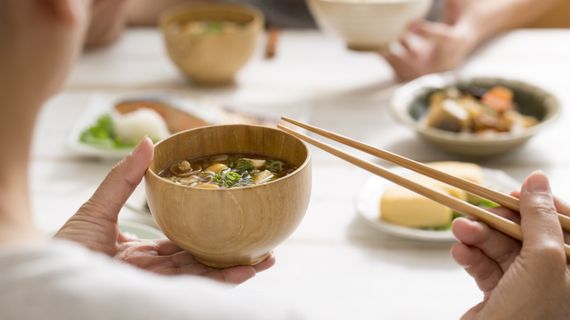
Fermented soy products such as tempeh and miso have lower lectin content and higher protein bioavailability
Combining with other foods
Even without directly reducing antinutrients, their effects can be compensated for by proper food combinations.
Vitamin C + plant iron: For example, red lentils with peppers or tomatoes. Vitamin C helps convert iron into an absorbable form and neutralises the effect of phytates.
Animal protein + iron: Eating meat or fish with a plant‑based meal improves iron absorption from the whole dish.
Calcium + oxalates: Paradoxically, consuming calcium‑rich foods together with those high in oxalates can help bind oxalates in the intestine and prevent their absorption into the blood.
Bottom line
Antinutrients are not necessarily the enemy. They are a common part of plant foods, which otherwise provide many benefits. Although they can reduce nutrient absorption in certain situations, their effects can be easily minimised by proper kitchen preparation and food combinations. Moreover, many antinutrients themselves have positive health effects — they act as antioxidants, may influence cholesterol levels or support the prevention of certain diseases. The key is a varied diet with sufficient intake of micronutrients and fibre.