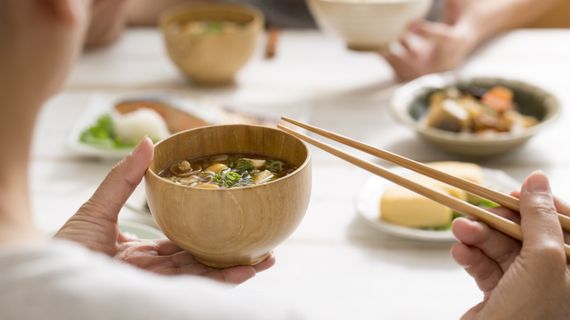
-
You don’t “boost” immunity – the goal is balanced function: to quickly defend against infection and then calm the response, without excessive immune reaction.
-
There is no miracle supplement or food: the most helpful are sleep, regular exercise, less chronic stress, quality diet and not smoking.
What is immunity?
Immunity is the body’s defence system. Its role is to recognise harmful invaders (such as viruses and bacteria), eliminate them and then regulate the response so that unnecessary inflammation doesn’t persist.
It can be broadly understood as two cooperating “levels”:
First line – barriers and innate immunity
-
The skin and mucous membranes act as physical barriers, aiming to prevent pathogens from entering the body in the first place.
-
If a pathogen gets past these barriers, the innate immune system responds rapidly — usually within hours.
-
This response is less specific, but it acts quickly to initiate defence and trigger inflammation where needed.
Second line – acquired (adaptive) immunity
-
It develops more slowly (over days), but it is highly specific.
-
It produces antibodies and immunological memory, meaning that if the same pathogen is encountered again, the body can respond more quickly and efficiently.
What does “boosting” immunity actually mean?
The immune system isn’t a muscle that can simply be “strengthened”. It’s a highly regulated defence network that must perform two opposing tasks at once:
-
React quickly when infection threatens,
-
Calm the response appropriately to prevent unnecessary tissue damage. In some severe infections, an excessively strong inflammatory response can actually be harmful rather than beneficial.
For this reason, the aim isn’t to “supercharge” immunity, but to support balanced, long‑term immune function — sometimes referred to as immune homeostasis. This means the immune response is effective against pathogens, but remains controlled and does not escalate into excessive inflammation, allergies or autoimmune issues.
How to support the immune system through lifestyle
When we talk about immunity, we’re not referring to a single “function” that can simply be switched on or off. The immune system is multi‑layered and extremely complex — a network of cells and signalling pathways that constantly adapt to what’s happening in the body. That’s why it’s unrealistic to expect a simple recommendation such as “eat this food” or “take this supplement” to reliably and definitively “improve” immunity.
There is also no single marker that can accurately predict how a specific dietary change will influence immune function. Immunity cannot be reduced to one number on a test result.
So if someone presents the immune system as something that can be easily “optimised” by a handful of nutrients or supplements, a healthy degree of scepticism is warranted.
Quality sleep
Sleep acts as a nightly “service” for the immune system. It helps regulate defence responses so they are effective but do not escalate into excessive inflammation. Long‑term sleep restriction can disrupt this balance, shifting the body towards a more pro‑inflammatory state.
How sleep supports immunity
Sleep plays a role in regulating immune processes and maintaining a healthy defensive balance.
Functional studies show that sleep supports, for example, natural killer (NK) cell activity — a key component of innate immunity. After a night of sleep deprivation or restriction, NK cell activity in healthy individuals has been shown to decrease.
What lack of sleep does to immune functions
Both short- and long‑term sleep deficits are associated with increased pro‑inflammatory markers, such as IL‑6 and C‑reactive protein (CRP), which can shift the body into a more inflammatory state.
In practical terms, this may translate into a higher susceptibility to infection. Observational data suggest that regularly sleeping around 5 hours per night is associated with a higher long‑term risk of pneumonia and more frequent respiratory infections compared with 7–8 hours.
Similarly, in an experiment where participants were exposed to rhinovirus (the common cold virus), those who had slept less in the preceding weeks were more likely to develop clinical symptoms.
How to improve sleep quality
Try to go to bed and wake up at about the same time, get morning daylight (even a short walk) and in the evening, dim the lights and screens.
Watch your caffeine intake, especially in the afternoon, consume alcohol only occasionally and keep your bedroom dark, quiet and slightly cool.
A short calming ritual 30–60 minutes before bed (shower, reading, gentle stretching, breathing) also helps the body gradually switch into regeneration mode.
- Learn more: 9 Tips on How to Improve Sleep Quality
Regular physical activity
Regular moderate‑intensity activity (e.g., brisk walking, cycling, swimming) helps immune function primarily by promoting better long‑term “immune surveillance” and is associated with lower levels of systemic inflammation.
At the same time, reviews summarise that moderate exercise is linked to a lower incidence of infections, particularly upper respiratory tract infections (such as the common cold).
Too much load can have the opposite effect
Excessive training load — typically prolonged, very intense sessions, exhausting events or competitions without adequate recovery — can create a short period of temporary immune suppression. During this window, some defence mechanisms may be impaired, and the risk of catching a cold may increase in the days following heavy exertion.
-
A sedentary lifestyle = higher health risk
-
Regular, moderate activity = reduced risk
-
Prolonged, very intense effort without recovery = risk may increase again
A sensible target for most people:
-
Around 150–300 minutes per week of moderate‑intensity aerobic exercise (roughly 30–60 minutes per day) — for example, brisk walking, cycling, swimming or dancing.
-
In addition, strength training 2–3 times per week (using bodyweight, resistance bands or weights) to support muscle mass and overall metabolic health.

Image by freepik.com

Stress: helpful in the short term, harmful in the long term
Stress doesn’t just affect mood — it’s a physiological response to strain. During stress, levels of stress hormones (such as cortisol) change and nervous system activity increases. This, in turn, alters how immune cells behave.
Short‑term (acute) stresscan temporarily “activate” the immune system. The body shifts into an alert state, certain immune cells move into circulation and the system becomes primed to respond.
Long‑term (chronic) stress is where problems arise. When stress persists for weeks or months without adequate recovery, immune regulation can become disrupted. The body may show signs of low‑grade inflammation while simultaneously becoming less effective at defending against infections.
More chronic stress = higher risk of infections
This is reflected in everyday life. Prospective studies and their meta‑analyses show that people with higher levels of (chronic) stress tend to have higher susceptibility to upper respiratory tract infections.
Stress also affects immunity indirectly. People then sleep worse, move less, eat less consistently and increase alcohol intake or smoke. These behaviours further compound the negative effects on immune health.
A nutrient‑rich diet
Which dietary components are key for immunity?
Immune cells require sufficient energy — particularly during infection, when demands increase — and adequate protein. Amino acids from protein are used to build essential immune components, such as antibodies and other defence‑related proteins.
From a nutritional perspective, long‑term adequate intake of key vitamins and minerals is also important. The immune system does not function “better” simply because you consume high doses of micronutrients. For most people, large supplemental doses offer no additional benefit if there is no deficiency. For this reason, it’s generally best to meet nutrient needs through a balanced diet and consider supplementation mainly when a deficiency is likely or confirmed.

How poor nutrition affects infection risk
A long‑term nutrient‑poor diet can lead to malnutrition, which has direct negative effects on immune function. This may result in increased susceptibility to infections and a more severe course of illness. However, true malnutrition is relatively uncommon in developed countries.
That said, diets high in sugar and unhealthy fats, and low in fibre and micronutrients,are associated with low‑grade chronic inflammation. This can disrupt immune balance and impair the body’s response to infection.
Poor dietary patterns can also alter the gut microbiome— reducing beneficial bacteria and their primary fuel source (fibre). Since the gut microbiome plays a key role in immune regulation, this is another pathway through which diet can influence immunity.
Practical tips for eating to support immunity
The aim is to provide nutrients that support balanced immune function while avoiding patterns that promote chronic inflammation.
-
Include a source of protein in each main meal (e.g., eggs, dairy, fish, meat, legumes or tofu).
-
Eat vegetables and fruit daily, plus regularly include pulses, wholegrains, nuts and seeds and quality fats (e.g., olive oil — broadly in line with a Mediterranean‑style eating pattern).
-
Ensure adequate fibre intake.
-
Limit frequent consumption of “junk food” and ultra‑processed foods high in sugar and unhealthy fats, as these are associated with a more pro‑inflammatory state.
- Learn more: 10 Tips on How to Start Eating Healthy
Body weight and metabolic health
After sleep, physical activity, stress and diet, another closely related factor is body weight — particularly the amount of visceral (abdominal) fat.
This isn’t about appearance. It’s about physiology. Excess body fat, especially around the abdomen, doesn’t simply act as an energy store. Adipose tissue is metabolically and immunologically active. Visceral fat in particular has endocrine, metabolic and immune‑related effects that play a role in the development of metabolic disorders.
Obesity can place additional strain on the immune system. In the context of infectious diseases, this has been associated with a more severe course of illness. Early data during the COVID‑19 pandemic suggested that obesity roughly doubled the risk of hospitalisation and was linked to worse outcomes.
Alcohol and smoking
Alcohol – especially in higher doses – weakens the immune system, increases susceptibility to viral infections and can increase the risk of serious respiratory complications (in the context of viral infections).
Beyond its direct impact on immunity, alcohol also affects judgement and routine. It can disrupt sleep, dietary habits and regularity — undermining many of the lifestyle foundations discussed earlier.
Smoking can impair mucociliary clearance — the mechanism by which the airways use mucus and tiny hair‑like structures (cilia) to remove particles and pathogens. When this first‑line mechanical defence is compromised, viruses and other harmful particles can more easily enter and persist in the respiratory tract.
Smokers are known to have a higher risk of respiratory infections. Viral infections may also be more likely to lead to secondary bacterial infections.
Sauna and cold exposure
Sauna use and cold exposure are often promoted as ways to “boost” immunity. However, evidence for their effectiveness is mixed, and they are best viewed as complementary habits rather than core strategies.
Sauna: A small interventional study suggested that regular sauna use may be associated with fewer colds during observation. From larger data, more frequent sauna use is associated with a lower risk of pneumonia/respiratory diseases, but since this is an observational study, causation cannot be firmly established. In this study, sauna frequency was 3–4x per week; if you go once a week, don’t expect miracles.
Cold exposure: In one randomised study, participants who took regular cold showers reported fewer days off work due to illness, but not fewer total sick days. Studies of winter swimmers did not demonstrate a clearly lower incidence of upper respiratory tract infections.
Nevertheless, despite unconvincing evidence, these are methods that have no side effects and can be a great addition to a healthy lifestyle.
Food supplements for immunity – what makes sense?
Herbs for immune support
You’ll find plenty of products marketed as “immunity tea”, but it’s important to understand that clinical trials usually investigate specific standardised extracts — with known doses of active compounds — rather than general herbal teas. That means results from research cannot automatically be applied to every brand or blend.
Among herbal options, the following are worth mentioning:Pelargonium sidoides – in a systematic review and meta‑analysis of RCTs, the extract was more effective than placebo in relieving symptoms of acute bronchitis; and elderberry – a meta‑analysis of studies suggests improvement of respiratory symptoms (typically shortening/relief).
Echinacea has also been studied. A Cochrane review concluded that its effects are generally weak and inconsistent, with outcomes heavily dependent on the specific extract and active compound content.
For ginger, the evidence is stronger for effects on inflammatory markers rather than clear prevention of common infections. Mint/menthol in clinical studies is best supported for symptomatic relief (e.g., subjective feeling of nasal relief), not for infection prevention.
Vitamins for immunity
The immune system needs a whole “package” of nutrients – not just one. Among micronutrients, the most often mentioned are vitamins A, C, D, E, B6, B12 and folate (B9) and among minerals, zinc, iron, copper and selenium (in practice, others are addressed depending on diet and status).
The key idea is simple. The main thing is not to be deficient. If there is no deficiency, excess (megadoses) usually do not bring additional benefit and sometimes can even be risky.
This is well illustrated with vitamin D. An older large meta‑analysis was overall favourable, mainly in people with significant deficiency and with regular (not bolus) dosing, but a newer update no longer shows clearly statistically significant protection across the population.
With regular use in the general population, it usually does not reduce the incidence of colds, but may shorten their duration (and slightly ease the course). For vitamin C, it is also shown that in people exposed to short‑term extreme physical load (e.g., endurance athletes), regular supplementation may reduce the incidence of colds.
Clinically, the best evidence is that when zinc is started early after the onset of a cold, it can, on average, shorten the duration of symptoms. For prevention of colds, the evidence is less certain, and zinc can also have side effects (e.g., nausea), so it makes the most sense to focus mainly on adequate intake and deficiency.
Probiotics for immunity
Probiotics may have a mild positive effect on resistance to common respiratory infections. Their effects are often strain‑specific — meaning outcomes depend on the exact species and strain used, as well as the dose, duration of supplementation and the population studied. Research summaries generally lean in favour of probiotics, but they also highlight the wide variation between products and note that the overall effect size tends to be modest.
One of the best‑studied and most practically applicable examples is often Lactobacillus rhamnosus GG. In a randomised study involving pre‑school children, several months of LGG supplementation led to a lower risk of upper respiratory tract infections and fewer days with respiratory symptoms compared with placebo.
Bottom line
There’s no need to “boost” your immune system with a miracle supplement. The goal is balanced immune function — the ability to respond effectively to infection and then regulate that response appropriately, without triggering unnecessary inflammation. The greatest influence comes from ordinary and long‑term sustainable habits: regular and sufficient sleep, exercise most days of the week without overload, nutritionally quality diet (enough protein, fibre and diverse foods), efforts to keep chronic stress in check, not smoking and having alcohol only occasionally.
FAQs
Can stress reduce immune function?
Yes. Short‑term stress can temporarily mobilise the body, but long‑term (chronic) stress often weakens immune regulation. It may increase inflammatory markers while simultaneously impairing effective immune defence (e.g., response to infection). Stress also affects immunity indirectly by disrupting sleep, diet and motivation to stay active.
Does exercise support immunity?
Yes, when it’s appropriately balanced. Regular moderate‑intensity activity (such as brisk walking, cycling or swimming) is associated with lower systemic inflammation and a reduced incidence of common infections (e.g., colds). However, prolonged, very intense exercise without adequate recovery can temporarily increase infection risk. Recovery is therefore just as important as training itself.
Does alcohol affect immunity?
Yes. Higher alcohol intake weakens immune function and increases susceptibility to infections, particularly respiratory infections. Alcohol also disrupts other foundations of immune health: it impairs sleep, increases cravings for less nutritious foods and reduces motivation to exercise. The most sensible approach is to drink alcohol only occasionally and avoid habitual heavy consumption.