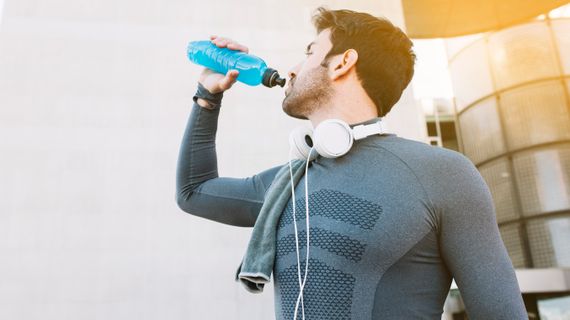
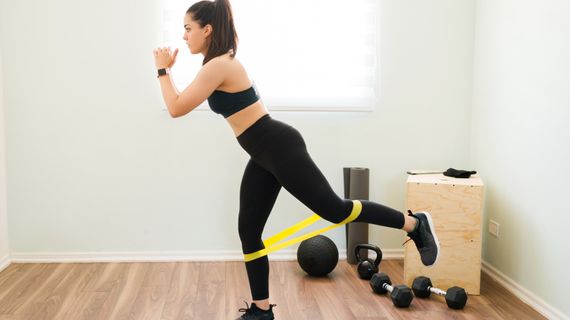
- The New Year can be a great opportunity to start a new habit.
- For your first visit to the gym, minimal equipment will suffice.
- A trainer can help not only with the effectiveness of your workout but also with the nerves that come with your first visit.
We often associate the New Year with new beginnings, changes and bold resolutions. We leave the old behind and, with a clean slate, set off on new challenges—whether that's improving our health, boosting fitness or shedding a few extra pounds that quietly crept on during the holiday season. From a psychological perspective, this is known as the “fresh start effect”—a moment when we are naturally more open to change because we are symbolically turning a new page.
January is, therefore, a unique opportunity to kickstart positive change. But starting isn’t enough—anyone can do that. The key is sticking with it. Many people quit before a real habit has a chance to form. It’s no coincidence that gyms fill up with new faces in January, many of whom disappear again with the first rays of spring. We're not here to judge these “January joiners”—everyone starts somewhere—but we also know that without a sound strategy, realistic expectations and a sustainable approach, good intentions tend to remain just that: intentions.
Benefits of Regular Exercise
Almost everyone has heard that regular physical activity has a profound impact on our health–and it’s not just a cliché. These recommendations are backed by reputable institutions like the World Health Organization (WHO), which regularly publishes clear guidelines on how much activity we need to maintain our health and vitality. According to the WHO, adults should aim for either:
- 150–300 minutes of moderate‑intensity activity per week, or
- 75–150 minutes of vigorous‑intensity activity.
And what do we gain from it?
- Better cardiovascular health (heart, blood vessels, blood pressure)
- Reduced risk of lifestyle‑related diseases (type 2 diabetes, obesity, high blood pressure)
- Stronger muscles and bones, which you’ll appreciate not just during exercise, but also in everyday life too
Regular exercise also has a direct impact on our mental health, helping us better manage stress, lift our mood and build psychological resilience. It’s no coincidence that physical activity is frequently recommended as a complementary therapy for conditions such as depression and anxiety disorders.
What's more, regular training quite literally increases the “capacity of our internal battery”. A body accustomed to movement manages energy more efficiently, recovers faster, and copes with daily demands with far greater ease. And perhaps even more importantly, the more we move, the more we want to move. Over time, movement stops feeling like a chore and becomes a natural part of our lives—and that's the ultimate goal.
How to Start: The Most Important Tips for Your First Visit
The first visit to the gym can be a step outside the comfort zone for many people. An unfamiliar environment, new rules and people who “already know what they’re doing”—all of it can feel a bit intimidating.
The good news is that most of these worries are completely unnecessary—and often disappear after your first visit. And if you still don’t feel at ease in a particular gym, there’s no shame in trying another. What matters most is finding an environment where you feel comfortable—whether that’s a larger commercial fitness centre, a smaller community gym or even working out at home.
To make your first steps easier, we’ll answer the most common questions people have before they even walk through the door.
What to Bring to the Gym
Towel, sweatbands, workout gloves, running shoes, training shoes, smart watch, chest strap, stopwatch, pre‑workout, water bottle, compression socks. You definitely don’t need all these things, don’t worry.
The truth is, for your first workout, you’ll often need just:
- a small towel
- comfortable sportswear and a sports bra for women
- indoor shoes (and sometimes not even those—some gyms allow barefoot training)
- a locker lock (useful in some fitness centres)
As for other equipment, accessories or food supplements—all that can come later. The key at the beginning is simply to start, not to show up looking like a seasoned gym veteran.
That said, let's briefly go over some of the more “advanced” equipment.
- Gym shoes. Once you’re training more regularly, you’ll notice different activities require different footwear. Shoes with a flat, firm sole are ideal for exercises like squats, while cushioned running shoes are better suited to cardio sessions on the treadmill.
- Gym gloves. These can help prevent calluses, especially when lifting weights. They’re not essential, though–comfort is the deciding factor here.
- Gym clothing. Nothing fancy needed. Just wear what feels good and lets you move freely.
TIP: Try setting up a small reward system. For example, after every month of consistent workouts, treat yourself to a new piece of kit. It’s a great way to stay motivated without splurging all at once, and it celebrates your consistency.

What to Do at the Gym
Now for another big question: What exactly should you do once you get to the gym? Should you plan in advance? Try out every machine? Copy what others are doing?Honestly, there’s no one‑size‑fits‑all answer. The most important thing is to enjoy yourself. Feel like trying the machines? Go for it. Just want to walk on the treadmill and soak in the atmosphere? Great way to ease in.
And if you want to be a bit more prepared, here are a few tips that might help:
- Invest in a personal trainer—a great choice for beginners. Whether it’s guidance on form, machine setup or structuring your routine, a trainer can accelerate your progress and help you avoid common mistakes. It’s not essential, but you won’t regret it.
- Workout apps—these days, there are loads of apps available with beginner‑friendly programmes, technique videos and motivational tools to help guide your sessions.
- Create your own workout plan—before your first session, you could map out a basic idea of what you want to do. It doesn’t need to be a detailed programme with sets, reps, and rest times. Even just picking a few exercises and reviewing how they’re done can help. For more ideas, check out our earlier article on creating a workout plan.
TIP: You can even use artificial intelligence to design your training plan. Speaking from experience as a trainer with over ten years in the field, I can say AI often produces surprisingly high‑quality routines.
How Often Should You Go to the Gym?
Once again, there’s no universal answer—it really depends on what you want to achieve. If your main goal is general health and vitality, you can follow the standard recommendation: 150 minutes per week at moderate intensity. If you’re aiming for muscle hypertrophy, training 2–3x per week is usually enough to get started.You can train more frequently—even daily—but only if your body can handle the recovery and you can sustain that level of commitment over time. Long‑term consistency will always beat a short‑lived burst of intensity.
In general, I advise my clients to alternate gym days with other activities like walking, swimming or any form of movement they genuinely enjoy. For more detail on this topic, have a look at our previous article, which covers optimal training frequency and offers tailored recommendations based on your goals.
A Few Final Tips
To wrap up, let’s share a few tips from our own experience and that of our clients, which may help you—whether you're nervous about your first visit or trying to build a lasting habit:1. Start building the habit in small steps
If your first gym session is a two‑hour ordeal that leaves you sore for three days, chances are it’ll put you off going back. Ease into it. Start with short, 30‑minute sessions and gradually build up. There’s no need to go all‑in from day one.2. Keep reminders of your new habit visible
Here’s a great tip from the excellent book Atomic Habits: if you want to stick to a new behaviour, make it visible. Lay out your gym clothes the night before. Put your workout days and times in your calendar. The more you see these cues, the more likely you are to follow through.3. Invest in a trainer for the first few sessions
A trainer can do more than just correct your form—they can give you structure, boost your confidence, and help you avoid the common pitfalls. Plus, having someone by your side means less time worrying about whether people are watching you or if you’re “doing it right”.4. Find a workout buddy
Having someone to train with can be incredibly motivating—especially if you’re feeling anxious about the gym. But it’s worth noting: this can be a double‑edged sword. From experience, if your workout buddy starts slacking, it becomes all too easy for you to skip sessions too. Choose wisely.Bottom Line
If you’ve made the decision to start training and exercising, then well done! It’s a brilliant step, and one that deserves recognition. Forget the worry about whether someone’s watching you, or whether you’ll do an exercise wrong—they’re not, and it’s perfectly normal to make mistakes in the beginning. Everyone starts somewhere. Everyone was once a beginner.Also, remember: consistency and sustainability will always beat speed and short‑term enthusiasm. You know the saying—the tortoise eventually beats the hare.
Above all, we hope you enjoy the journey. And we hope that today’s article has helped you take that all‑important first step towards your new self.
FAQs
At what age can you go to the gym?
The age varies depending on the specific fitness centre and its policies. Often:
- From 15 years old, entry is usually allowed (sometimes even without supervision),
- Under 15 years old, it’s usually only possible with an adult or trainer present and sometimes also with parental consent
- Some centres explicitly do not recommend entry for younger children (e.g. <13 years), even if accompanied.
If you’re under 18, it’s always best to check directly with the gym (via their website or reception), as rules vary from club to club.
How much does a gym membership cost?
Prices vary widely depending on your location, the gym’s facilities, included services (e.g. sauna, group classes, multiple branches), and the length of the membership contract. In the UK, you’ll typically find these price ranges:
- Low‑cost budget gyms and fitness clubs: ~£25/month
- Independent single site gyms: ~£45/month
- Multi‑site health and fitness clubs: ~£55/month
Note that these prices are often higher in London.
Is it better to eat before or after exercise?
Ideally, you should eat both before and after your workout. In general, about 3–5 hours before exercise, it’s good to have a larger meal, and 1–2 hours before training, a smaller meal or snack. A meal containing carbohydrates before exercise can support performance (provides energy for muscle work).
After training, it’s best to replenish nutrients to support recovery:
- Protein for tissue repair and recovery
- Carbohydrates to restore muscle glycogen